Childhood vaccination coverage rises but 14 million infants remain unvaccinated
Global childhood vaccination coverage is slowly recovering, though millions of infants remain vulnerable to preventable diseases due to barriers like conflict.
- Headline Dispatch: Childhood vaccination coverage rises but 14 million infants remain unvaccinated
- Core Takeaway: Global childhood vaccination coverage is slowly recovering, though millions of infants remain vulnerable to preventable diseases due to barriers like conflict.
- Source Synthesis: Continuous live monitoring aggregated across major news wires and independent bureaus.
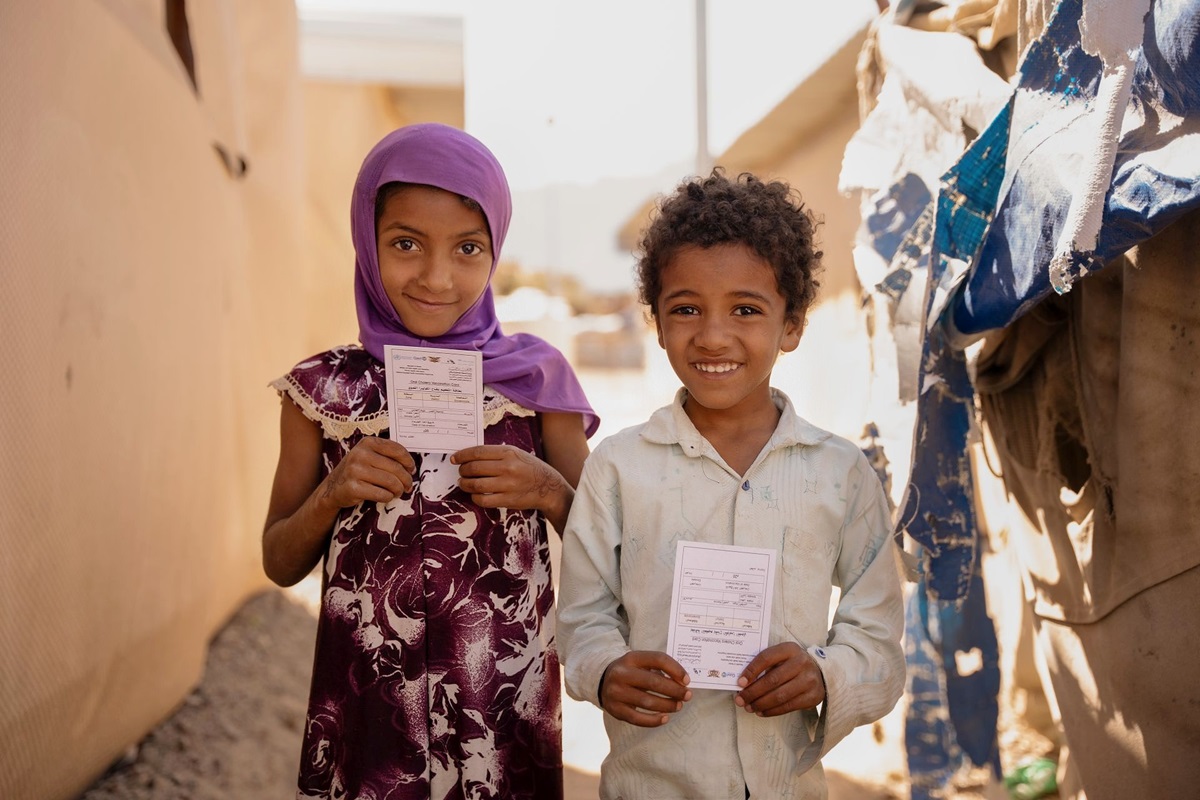
Childhood vaccination coverage rises but 14 million infants remain unvaccinated
Global childhood immunization is undergoing a slow recovery from the disruptions of the COVID-19 pandemic, though millions of children remain vulnerable to preventable diseases. New data released July 16, 2026, by the World Health Organization (WHO) and UNICEF indicate that while coverage is improving, a significant number of infants are still not receiving life-saving vaccines.
In 2025, approximately 90% of infants globally—nearly 116 million—received at least one dose of a diphtheria, tetanus, and pertussis (DTP) vaccine. Around 85%, or 110 million, completed the full three-dose series. This represents an increase of about 1.5 million children completing the DTP schedule compared to the previous year.
Despite these gains, an estimated 13.5 million “zero-dose” children received no vaccines during their first year of life in 2025. While this is nearly 750,000 fewer than the prior year, progress is being offset by children who begin their vaccination schedule but fail to complete it. An estimated 7.3 million infants received their first DTP dose but dropped out before receiving their first measles dose.
The Impact of Conflict and Fragility
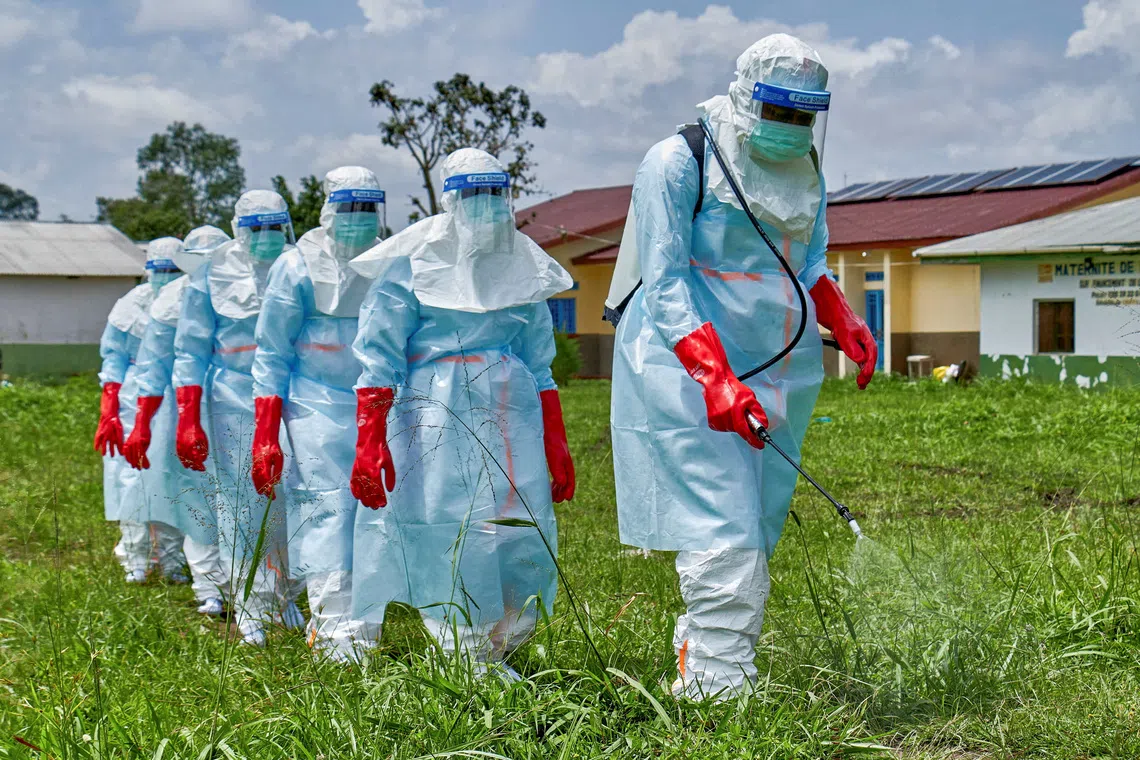
Conflict, displacement, and poverty remain primary barriers to healthcare access. Roughly one-third of the world's child population lives in fragile, conflict-affected, or vulnerable (FCV) settings, yet these areas account for more than half of all zero-dose children. In half of the 26 countries affected by fragility or humanitarian crises, the number of unvaccinated children grew from 3.6 million in 2019 to 5.4 million in 2024.
The data shows diverging trends in conflict zones. Syria saw a decline in coverage over the past year, losing 6 percentage points on DTP1 and 12 points on MCV1. Conversely, Sudan recorded the largest single-country gain globally last year, increasing DTP1 coverage by 35 percentage points and MCV1 by 22 points.
Slippage in High-Income Nations
Vaccination declines are not limited to low-income or conflict-torn regions. Some middle- and high-income countries are seeing coverage slip due to structural challenges, shifting political commitment, and rising vaccine hesitancy.
- South Africa: DTP1 coverage has fallen 20 percentage points since 2019 and continued to decline in 2025.
- Bosnia and Herzegovina: Following a significant increase in MCV1 coverage in 2024, the country saw a 23-point drop in the past year.
Among 195 countries analyzed, 100 have maintained at least 90% coverage for three DTP doses since 2019. However, 65 countries are currently stagnating or falling behind.
Measles Outbreaks and HPV Progress
Coverage for measles remains below the 95% threshold required to prevent outbreaks. In 2025, 84% of children received the first dose (MCV1) and 77% received the second (MCV2). Consequently, 57 countries reported large or disruptive measles outbreaks in 2025. This follows a sharp rise from 33 countries in 2022, which reached 60 countries in 2024.
There has been positive movement regarding the human papillomavirus (HPV) vaccine. Global coverage rose by 4% in the past year, with 31% of eligible adolescent girls receiving at least one dose in 2024. This is a substantial increase from the 17% coverage reported in 2019, although it remains far from the 90% target for 2030.
Threats to Future Progress
The agencies warn that current progress is on a knife edge
. Funding shortfalls and cuts to international health financing threaten to reverse decades of work. Joanna Rea, Director of Advocacy at UNICEF UK, noted that aid cuts, such as those made by the UK Government, could leave millions of children exposed.
There is also a growing concern regarding the data used to track these trends. The number of national immunization surveys submitted this round fell to 18, down from 50 in 2024 and a historical average of 33 per year between 2015 and 2019.
WHO and UNICEF are continuing to work with Gavi, the Vaccine Alliance, to implement the Immunization Agenda 2030 (IA2030). The strategy aims to ensure vaccines reach everyone, at every age, regardless of where they live.
"No child should die from a disease we know how to prevent."
Catherine Russell, UNICEF Executive Director, via WHO/UNICEF
How significant is this development?
Participate in our community survey on the trajectory and real-world impact of this news.