Congo Ebola workers strike
Medical staff and support workers in northeast Congo have shut down an Ebola treatment center to protest months of unpaid salaries and bonuses.
- Headline Dispatch: Congo Ebola workers strike
- Core Takeaway: Medical staff and support workers in northeast Congo have shut down an Ebola treatment center to protest months of unpaid salaries and bonuses.
- Source Synthesis: Continuous live monitoring aggregated across major news wires and independent bureaus.
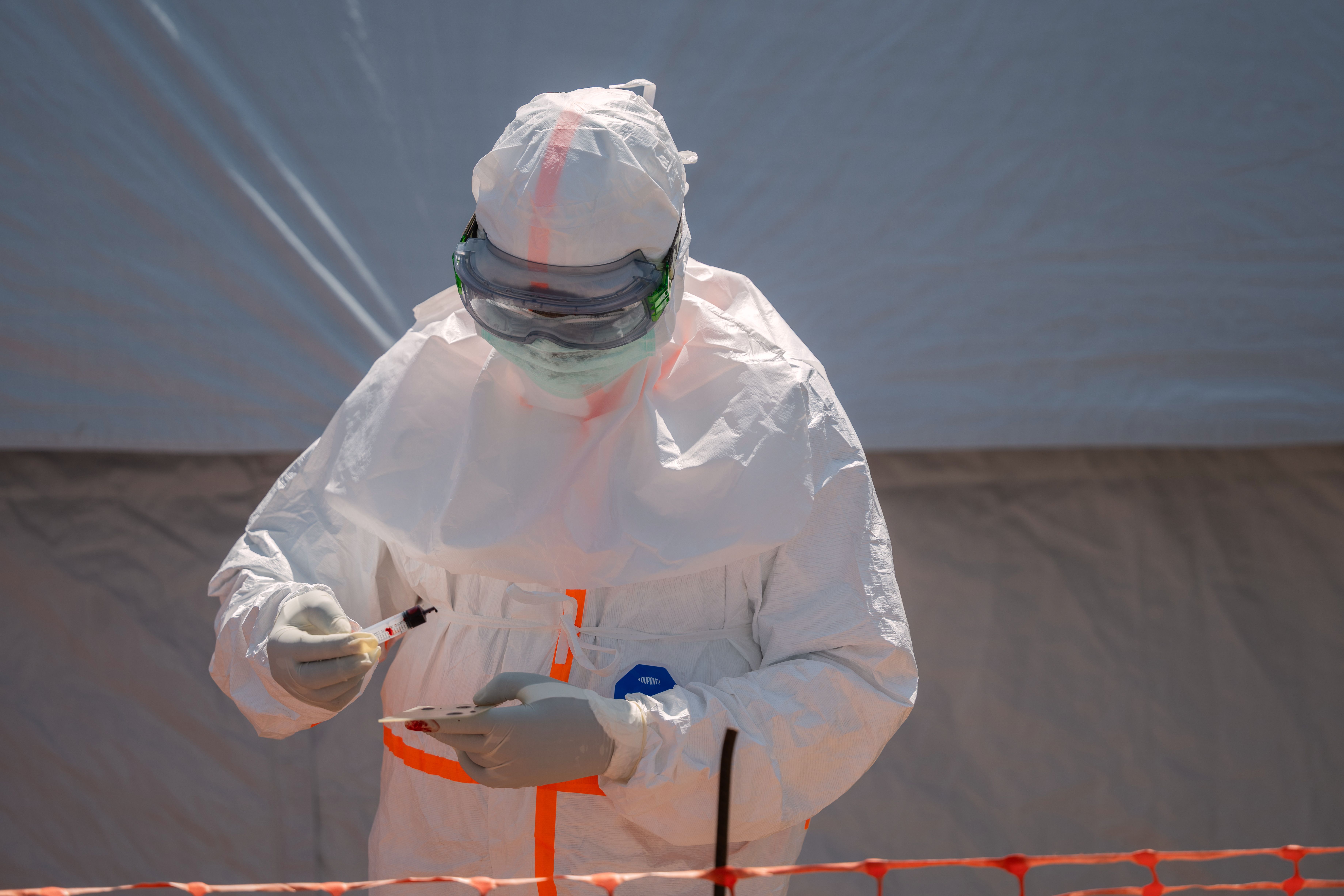
Dozens of healthcare workers and support staff at an Ebola treatment center in northeast Congo launched a strike on Monday, July 13, 2026, protesting months of unpaid salaries and bonuses. The action has resulted in the closure of the medical facility at Rwampara General Hospital in Ituri province, with staff blocking the main access road to the site.
The workforce involved in the stoppage includes epidemiologists, case investigators, drivers, and gravediggers. Many of these individuals report having received no compensation since the current outbreak was declared on May 15, 2026.
"We don’t know how it is possible to not have been paid for two months. We don’t want to give up the job."
Bahati Claude, health worker, via The Associated Press
In the lead-up to the shutdown, some staff had already begun walking off the job, citing a lack of protective equipment and mistreatment by authorities in addition to the wage delays. Some workers have expressed that the lack of payment puts both them and their families in difficult circumstances. Concerns have also been raised that the financial hardship may compel essential staff to abandon their duties, leaving the response to a disease that has no approved vaccine or treatment.
The current emergency is fueled by the rare Bundibugyo virus. According to the Africa Centres for Disease Control and Prevention, this is the fastest-growing Ebola outbreak ever recorded on the continent. Congolese authorities report 1,926 confirmed cases and 702 deaths to date. Some regional officials have attributed payment delays to complications with the Bunia airport, which has hampered the flow of funds, though workers contend that the government is failing to honor its commitments despite earlier assurances.
Congolese Health Minister Roger Kamba addressed the payroll issues during a visit to Ituri, claiming the government is in the process of verifying personnel lists. Kamba noted that some names unrelated to the response effort had been added to the registry.
"We must ensure that these payments reach the right people. We have faced a few challenges, notably changes to the lists, which have led to complaints from people saying they are not being paid even though they are working. We have the means to sort this out."
Roger Kamba, Health Minister, via The Associated Press
On Monday, July 13, 2026, World Health Organization Director-General Tedros Adhanom Ghebreyesus announced via social media that a second U.S. Citizen—a humanitarian worker—was transferred to Germany after contracting the virus in eastern Congo. The first American to test positive for the virus during this wave was a doctor who had been working in the country during the early stages of the epidemic.
Health teams in the region have previously faced skepticism from local residents and security threats, including physical attacks against medical staff tracing contacts. As the strike continues, residents have voiced fears that the impasse will cause the response effort to falter, leaving the region increasingly vulnerable to the spreading virus.
How significant is this development?
Participate in our community survey on the trajectory and real-world impact of this news.