DRC Ebola outbreak two to four times bigger than official scale: WHO
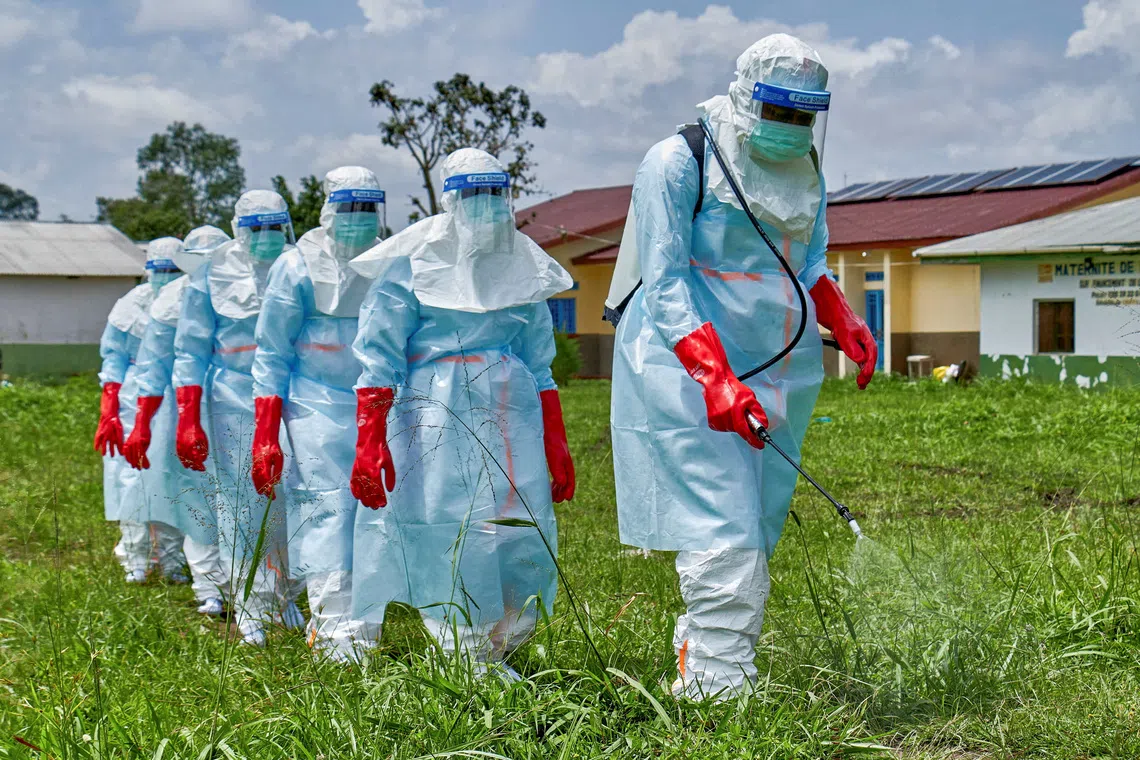
The World Health Organization reports that the current Ebola epidemic in the Democratic Republic Congo is spreading faster than any previous outbreaks it has managed.
- Headline Dispatch: DRC Ebola outbreak two to four times bigger than official scale: WHO
- Core Takeaway: The World Health Organization reports that the current Ebola epidemic in the Democratic Republic Congo is spreading faster than any previous outbreaks it has managed.
- Source Synthesis: Continuous live monitoring aggregated across major news wires and independent bureaus.

DRC Ebola Outbreak Two to Four Times Bigger Than Official Scale: WHO
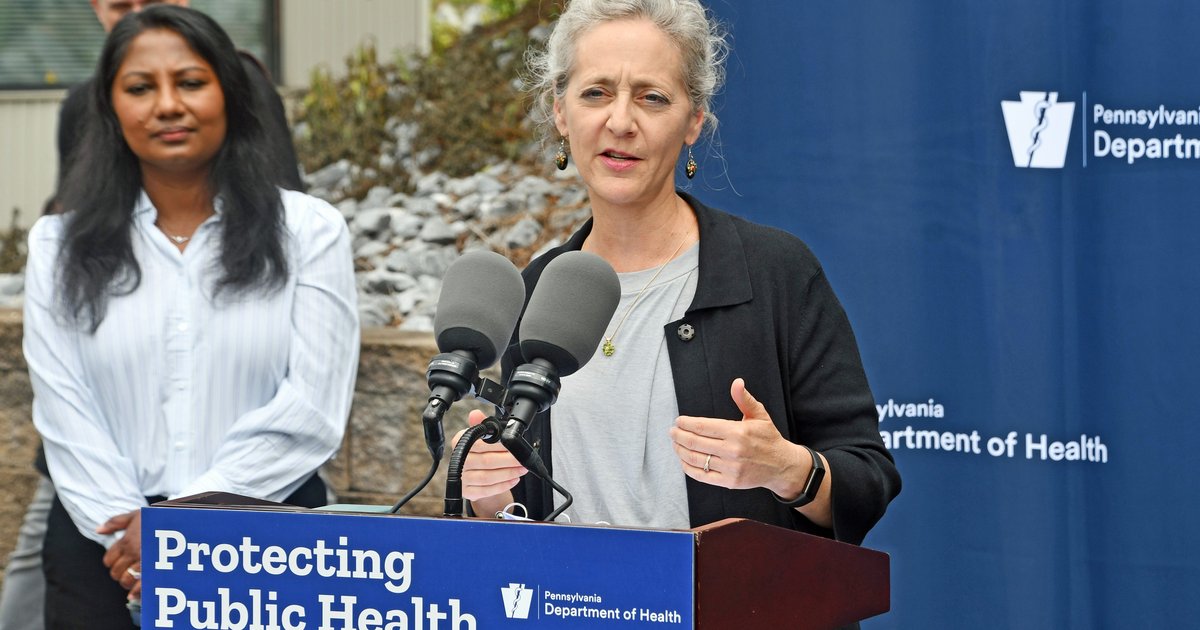
The World Health Organization warns that a deadly Ebola outbreak in the Democratic Republic Congo may be significantly larger than official data indicates. Chikwe Ihekweazu, WHO emergencies director, told reporters in Geneva that modelling suggests the scale of the epidemic is at least two to four times the number of cases that we have found
.
Official figures currently record more than 1,960 infections and over 700 deaths since the virus was detected two months ago. Despite these tallies, the WHO describes this as the third-largest Ebola outbreak ever recorded, noting that the virus is spreading faster than has been seen in any previous outbreaks the organization has managed.
The 17th Ebola outbreak in the DRC was declared on May 15, originating in the mineral-rich northeastern province of Ituri. While cases have since been identified in five DRC provinces—including North Kivu, South Kivu, Tshopo, and Haut-Uele—Ihekweazu stated that more than 90% of cases are still being detected in Ituri. The virus has also crossed borders into neighbouring Uganda, which has reported 20 cases and two deaths.
Response Challenges and Medical Limitations
The current crisis is caused by the rare Bundibugyo species of Ebola. According to the WHO, there is currently no approved vaccine or treatment for this specific strain, though a clinical trial involving two treatments is underway. Ihekweazu noted that the outbreak continues to outpace the response efforts by the national authorities, international partners, including WHO, and the communities most affected
.
The response is further complicated by a humanitarian crisis in eastern DRC. The region has faced three decades of conflict, leading to displaced populations living in camps that the United Nations says lack sanitation and clean water. Additionally, the national public health institute (INSP) reports that the virus has taken a heavy toll on the medical workforce: 112 healthcare workers have been infected and 35 have died.
Ihekweazu highlighted a critical gap in care, stating that many newly reported cases are individuals who died in their communities without ever reaching a health facility.
Labour Unrest at the Epicentre
Medical staff at the heart of the outbreak are threatening a total shutdown of services. Health workers at the Rwampara treatment centre in Ituri burned tyres in protest on Monday and temporarily blocked access to the facility. These workers claim they have not been paid salaries or bonuses since May 15.
"We've been treating Ebola patients without pay since May 15. We continue to do so because that is our oath but we are working in very difficult conditions,"
Pascal Bahoya, doctor, via AFP
Doctors at the centre issued a 48-hour ultimatum for payment, warning that they would launch a full-scale strike
with no minimum service if the demand is not met. Health Minister Samuel Roger Kamba acknowledged delays in payment
during a visit to Ituri on Thursday and assured workers that the organisational issue
would be resolved.
Capacity and Detection Trends
Despite the unrest and the scale of the virus, Ihekweazu expressed encouragement regarding the ramping up of the medical response. He noted that treatment capacity now exceeds 700 beds and is increasing weekly, while laboratory capacity has expanded and contact follow-up rates are approaching 80%.
The WHO recently observed some of the highest numbers of new infections in a single day, including a day with over 80 confirmed cases. Ihekweazu described this surge in confirmed numbers as good news
and a sign of a maturing response
, as it indicates fewer cases are escaping detection.
To support the underfunded healthcare system in the DRC, the international community has raised $1.5 billion for the response.
How significant is this development?
Participate in our community survey on the trajectory and real-world impact of this news.