Trial for Bundibugyo Ebola treatment starts in DRC, WHO says
A new clinical trial has enrolled its first patient in the Democratic Republic of Congo, evaluating two priority therapies to combat the Bundibugyo Ebola outbreak.
- Headline Dispatch: Trial for Bundibugyo Ebola treatment starts in DRC, WHO says
- Core Takeaway: A new clinical trial has enrolled its first patient in the Democratic Republic of Congo, evaluating two priority therapies to combat the Bundibugyo Ebola outbreak.
- Source Synthesis: Continuous live monitoring aggregated across major news wires and independent bureaus.
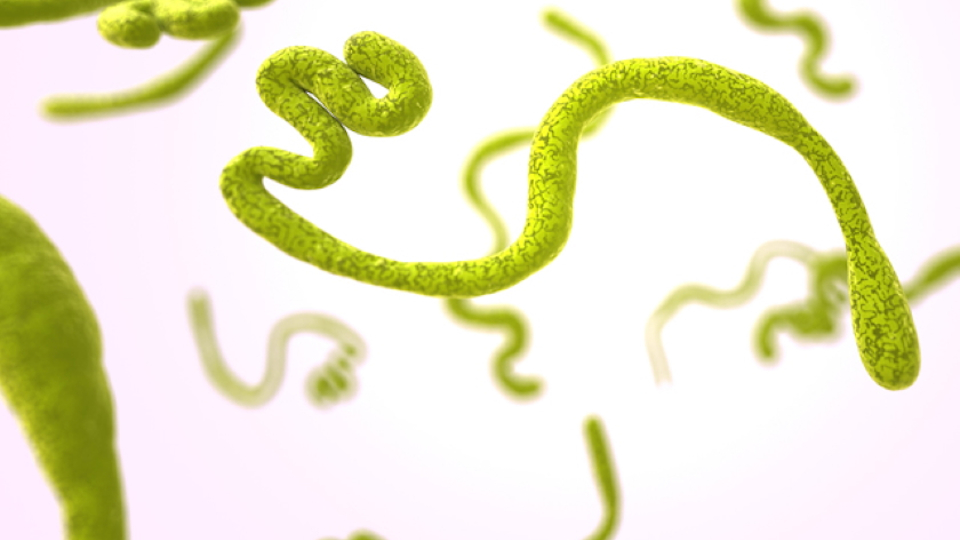
Trial for Bundibugyo Ebola treatment starts in DRC, WHO says
A clinical trial to evaluate potential therapies for the Bundibugyo Ebola outbreak in the Democratic Republic of Congo (DRC) has enrolled its first patient. The study, known as the PARTNERS trial, aims to determine if specific treatments can improve survival rates for those diagnosed with the virus, according to the World Health Organization (WHO).
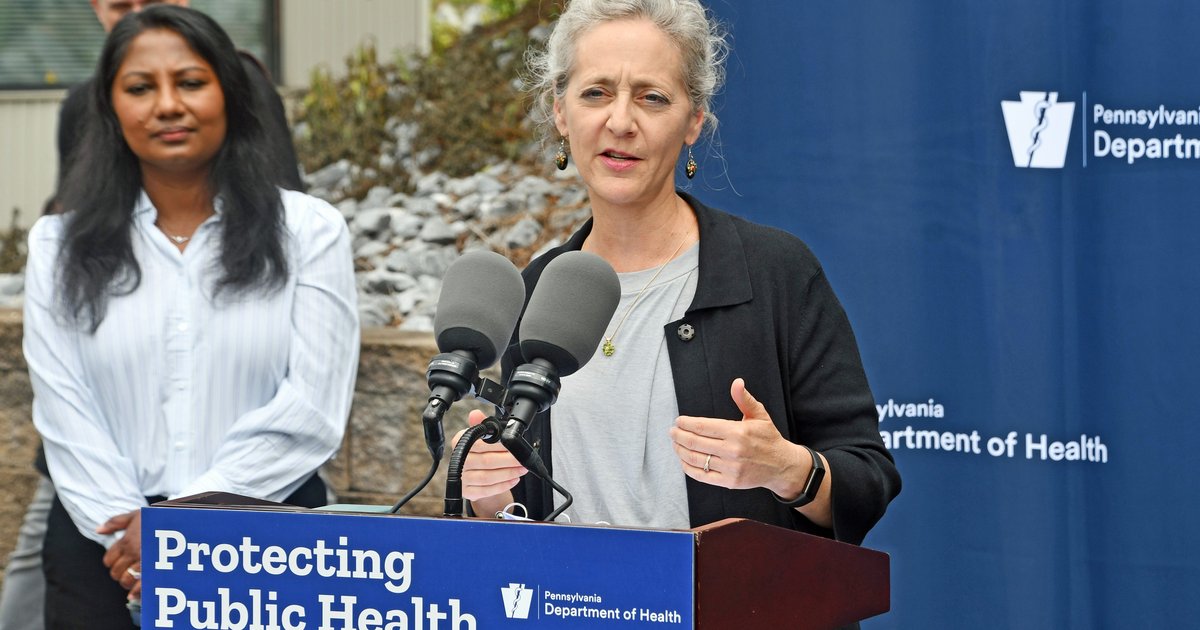
WHO Director-General Dr. Tedros Adhanom Ghebreyesus announced the milestone on Thursday. The trial will test two of three priority candidates identified by the WHO: MBP134, an antibody from Mapp Biopharmaceutical, and remdesivir, an antiviral drug from Gilead Sciences. Researchers will evaluate these treatments both as standalone options and in combination.
The trial is expected to include more than 1,000 patients and could take months to complete. To support the study, the United States donated supplies of MBP134, and Gilead Sciences provided more than 2,000 vials of remdesivir on Thursday, following an additional 2,000 vials provided for emergency use in June.
The WHO is currently in discussions with the U.S. And Gilead to ensure patients can access these drugs after the trials if they are proven safe and effective. "The PARTNERS trial, established with national authorities and scientific partners in record time, offers real hope that we can deliver concrete results for – and with – the communities at the heart of the outbreak,"
Dr. Tedros Adhanom Ghebreyesus, WHO Director-General, via PharmaphorumOutbreak Statistics and Healthcare Capacity
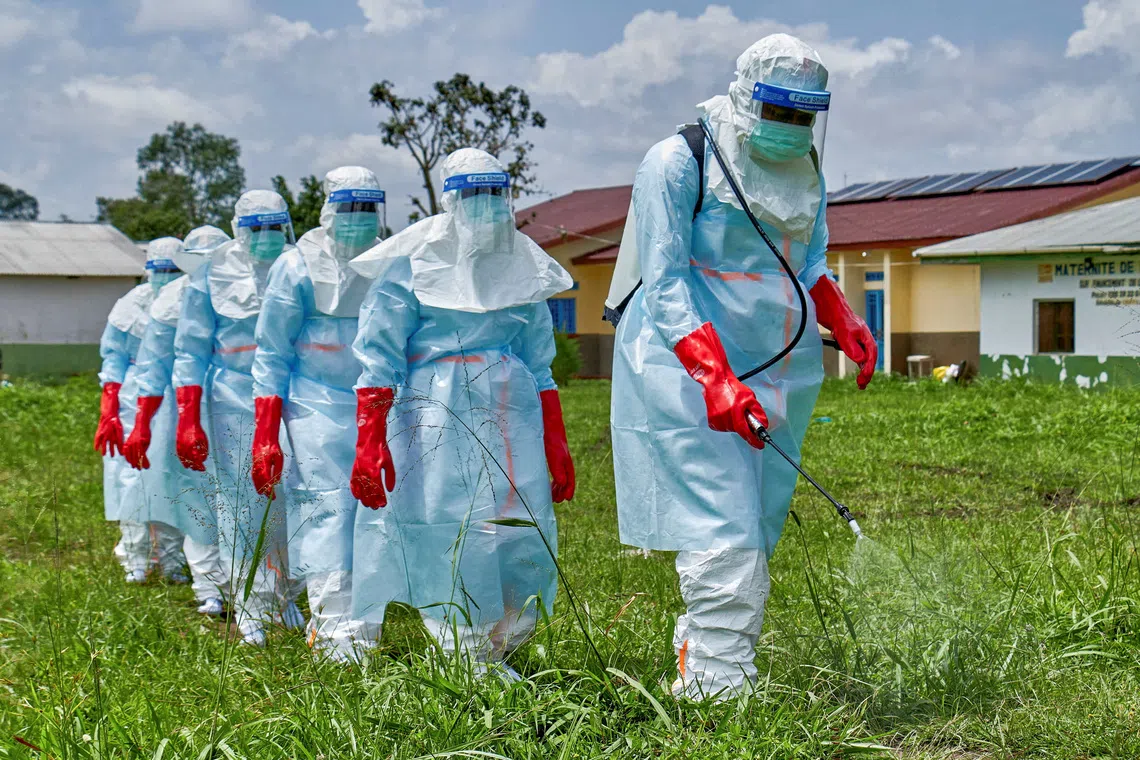
The Bundibugyo strain has caused more than 1,400 cases in the DRC, resulting in 438 deaths. As of July 1, DRC said it had recorded 1,406 confirmed cases, 438 deaths, and 609 patients hospitalised. The outbreak has also reached neighboring Uganda, which recorded 20 confirmed cases and two deaths. Two imported cases were also noted: one in France and one in a U.S. Citizen who was medically evacuated to Germany.
Dr. Tedros stated that the DRC has seen an average of 38 new confirmed cases per day over the last two weeks. To manage the surge, treatment capacity has expanded to 650 beds, though about 96% are currently occupied. The WHO and its partners are working to add 300 more beds.
Other improvements in the response include the availability of 10 laboratories for testing and the successful conduct of follow-ups for four in five contacts. However, officials noted that more contacts still need to be identified per case.
Challenges and Experimental Alternatives
Despite medical progress, the response faces volatility. Dr. Tedros cited an attack on an Ebola treatment center in Ituri province that left two people dead as evidence of ongoing mistrust and violence.
The PARTNERS trial is coordinated by a consortium including the University of Oxford, the Institut National de Recherche Biomédicale (INRB) in DRC, and the Institute of Tropical Medicine in Belgium. Prof. Amanda Rojek, operations lead for the trial and associate professor at the University of Oxford's Pandemic Sciences Institute, noted that conducting research during the outbreak allows evidence to inform care in months rather than years.
While the PARTNERS trial focuses on MBP134 and remdesivir, other options are being explored:
- Maftivimab: A third priority drug from Regeneron. Because the WHO intends to test it as a monotherapy, work is ongoing to validate separate stocks of the antibody. The adaptive design of the PARTNERS trial allows it to be added later.
- Obeldesivir: A Gilead Sciences pill developed for Covid-19. The WHO identified it as a potential post-exposure prophylaxis to prevent disease after exposure. While it showed promising results in monkeys against Zaire and Sudan strains, it has not been evaluated for the Bundibugyo virus.
- Vaccines: There are currently no approved vaccines for the Bundibugyo strain. A single-dose rVSV Bundibugyo vaccine may be ready for trials in seven to nine months, while the ChAdOx1 Bundibugyo candidate could be ready in two to three months, pending further animal testing.
The Bundibugyo virus is moderately contagious, spreading through contaminated objects or direct contact with infected bodily fluids. It can also be transmitted by wild animals such as primates, bats, and forest antelopes.
Other Health Updates
Separately, the WHO declared an end to the hantavirus outbreak linked to a cruise ship. The outbreak involved the Andes virus—a rare strain typical of Chile and Argentina—which infected 13 people and killed three. The declaration followed the negative test and completed quarantine of the last identified contact of an exposed person.
How significant is this development?
Participate in our community survey on the trajectory and real-world impact of this news.