Ebola outbreak in Congo still spreading, WHO says
The Democratic Republic of Congo faces a growing Ebola crisis driven by a rare strain with no approved vaccine, complicated by conflict and community resistance.
- Headline Dispatch: Ebola outbreak in Congo still spreading, WHO says
- Core Takeaway: The Democratic Republic of Congo faces a growing Ebola crisis driven by a rare strain with no approved vaccine, complicated by conflict and community resistance.
- Source Synthesis: Continuous live monitoring aggregated across major news wires and independent bureaus.
Ebola outbreak in Congo still spreading, WHO says
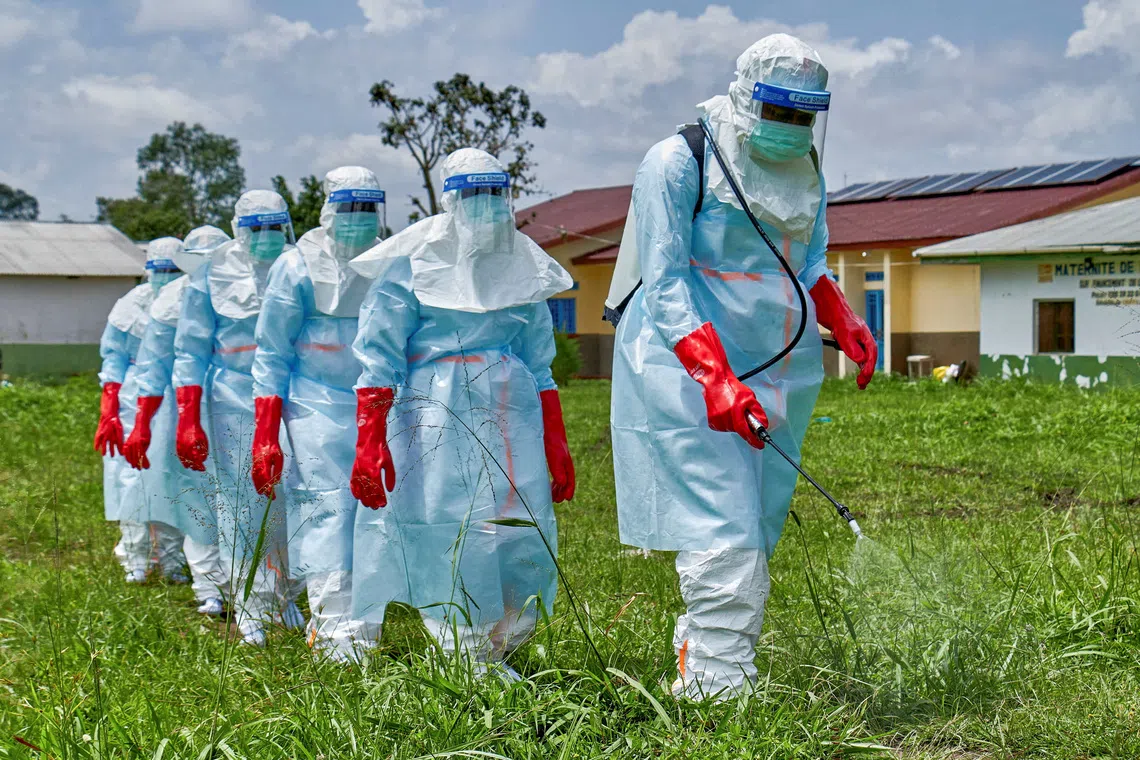
The World Health Organization (WHO) has declared a public health emergency of international concern as an Ebola outbreak in the Democratic Republic of Congo (DRC) continues to expand. The virus is currently spreading across multiple provinces, fueled by population movement and challenging environmental factors.
The DRC has confirmed 1,561 cases and 506 deaths. The total number of confirmed cases surged between Monday and Tuesday to over 800, an increase of about 300 since last week. WHO representative in Congo Anne Ancia stated that the outbreak is still in an expansion phase
.
A Rare and Untreatable Strain
The current crisis is driven by the Bundibugyo species of Ebola, a rare strain not seen for more than a decade. Unlike the more common Zaire species, there is no approved vaccine or specific drug treatment for Bundibugyo. While experimental vaccines are in development, medical teams are currently evaluating the experimental anti-viral drug obeldesivir, originally developed during Covid, to see if it can prevent illness in those exposed to patients.
Medical data shows that Bundibugyo typically has a lower fatality rate than other strains. One study indicated it killed about a third of those infected, compared to 66.6% for the Zaire species and 48.5% for the Sudan species. In the current outbreak, approximately 28% of known infected individuals have died.
The virus typically manifests 2 to 21 days after infection, starting with flu-like symptoms such as fever, headache, and tiredness. As the disease progresses, patients may experience vomiting, diarrhoea, organ failure, and internal or external bleeding.
Crisis in the Epicenter
The outbreak is centered in Ituri province, where health workers face significant operational hurdles. The region is a conflict zone where territory frequently changes hands between armed groups, complicating the ability of emergency teams to reach hotspots. Additionally, poor infrastructure hinders the response; a 90km journey from Bunia city to the gold-mining town of Mongbwalu can take more than three hours.
The response has been further destabilized by labor unrest. Frontline health workers in Ituri recently threatened a strike over unpaid benefits, poor salaries, and inadequate equipment, such as a lack of gloves and waterproof overalls. Some workers did restart their duties recently, though some groups remain dissatisfied.
Community resistance has also hampered containment. Congolese Health Minister Samuel Roger Kamba noted that some communities believe the disease is witchcraft
or a mystical illness
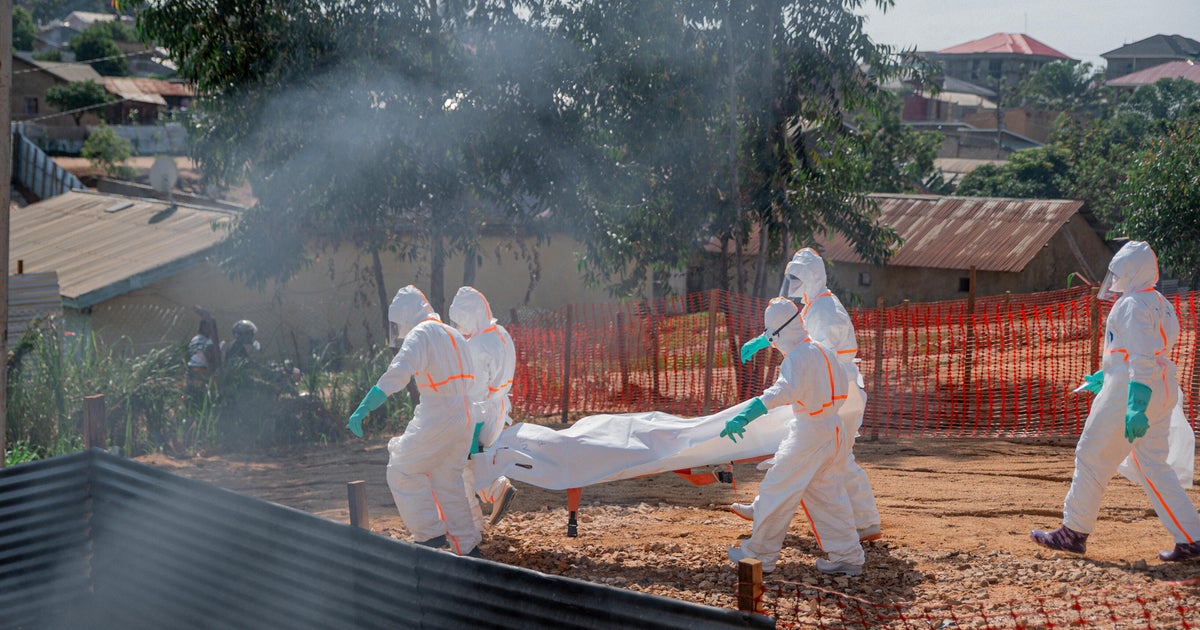
, leading them to visit prayer centers and witchdoctors instead of hospitals. In one instance in Ituri, security forces fired warning shots to prevent an angry crowd from taking the body of a victim home, as deceased victims remain highly contagious.
Regional Spread and Border Challenges
The outbreak has expanded beyond Ituri into North Kivu (44 cases) and South Kivu (3 cases), areas partly controlled by the rebel AFC-M23 alliance. While the AFC-M23 has created its own Ebola response team, the Congolese government has banned mass gatherings in several provinces, including Tshopo, Haut-Uele, and Bas-Uele. Even the capital, Kinshasa, has banned mass gatherings despite having no confirmed cases, as a doctor had traveled through the city before returning to France, where he was confirmed as a case on June 24.
Across the border in Uganda, authorities have confirmed 20 cases and two deaths, both involving individuals who traveled from the DRC. Despite the border being officially closed, Uganda's National Director of Public Health, Dr. Daniel Kyabayinze, described the porous border as like stopping wind from blowing
, noting that shared language and family ties drive continued movement.
Response and Resource Gaps
To combat the spread, the Congolese government established four laboratories in Bunia, Mongbwalu, Beni, and Aru to provide blood test results within 24 hours. However, contact tracing has been slow. Congolese health workers reported following up with only a little over half of known contacts, leaving approximately 3,000 people unaccounted for.
Funding remains a critical issue. The WHO has dedicated $3.9m to the response, while the Africa CDC announced a $319m budget, supported by an initial $5m pledge from South African President Cyril Ramaphosa.
The current emergency follows a separate, smaller outbreak in Kasai province that was declared over on December 1, 2025, after 64 cases and 45 deaths caused by the Zaire strain.
How significant is this development?
Participate in our community survey on the trajectory and real-world impact of this news.