Second death reported in Legionnaires’ disease outbreak in New York City
Health officials report a second death as the Legionnaires’ disease outbreak on Manhattan’s Upper East Side subsides following cooling tower disinfection. Officials note a decline in new cases and continue monitoring through ongoing testing and safety mandates.
- Headline Dispatch: Second death reported in Legionnaires’ disease outbreak in New York City
- Core Takeaway: Health officials report a second death as the Legionnaires’ disease outbreak on Manhattan’s Upper East Side subsides following cooling tower disinfection. Officials note a decline in new cases and continue monitoring through ongoing testing and safety mandates.
- Source Synthesis: Continuous live monitoring aggregated across major news wires and independent bureaus.

A second person has died following an outbreak of Legionnaires’ disease centered on Manhattan’s Upper East Side, health officials confirmed Saturday. The fatality occurred just one day after the city announced the first death associated with the cluster. A law firm representing the victim said he is an 88-year-old man who was a businessman and an Air Force veteran.
The outbreak has sickened at least 72 people in total. As of Saturday night, nine individuals remained hospitalized. All victims of the outbreak have been on the Upper East Side from the cluster in the Carnegie Hill and Yorkville neighborhoods.
Legionnaires’ disease is a severe form of pneumonia caused by Legionella bacteria, which thrive in warm, stagnant water. The infection is contracted by inhaling tiny, contaminated water droplets. The disease does not spread from person to person. According to the U.S. Centers for Disease Control and Prevention, the illness is treatable with antibiotics, though complications result in death for approximately 10% of those infected.
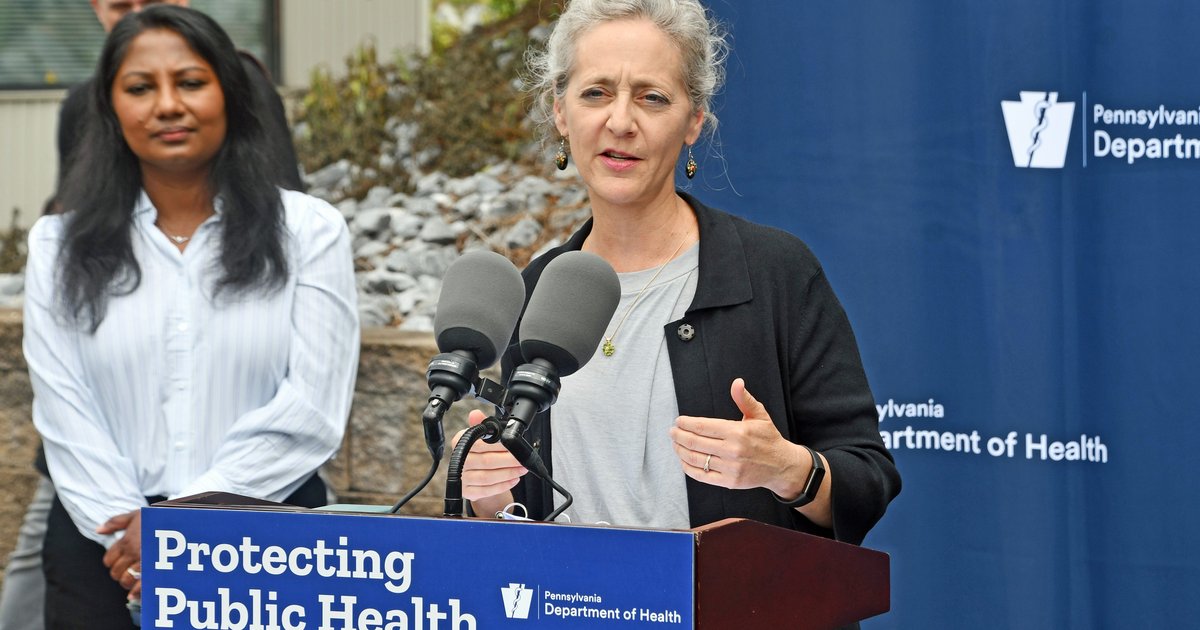
"We are heartbroken to learn that another New Yorker has lost their life to Legionnaires’ disease on the Upper East Side. Our deepest condolences are with their loved ones as they grieve. While we mourn this loss, the data are also encouraging. Our aggressive strategy of testing, enforcement, and remediation appears to have stopped the source of exposure."
Dr. Alister F. Martin, NYC Health Commissioner
The New York City Health Department reported a sustained decline in new cases, which officials view as a sign that the source of the bacteria has been contained. Between 10 July and 17 July, the city confirmed an average of fewer than one new case per day. This represents a significant drop from the initial phase of the investigation, which saw an average of more than eight new cases daily between 2 July and 8 July.
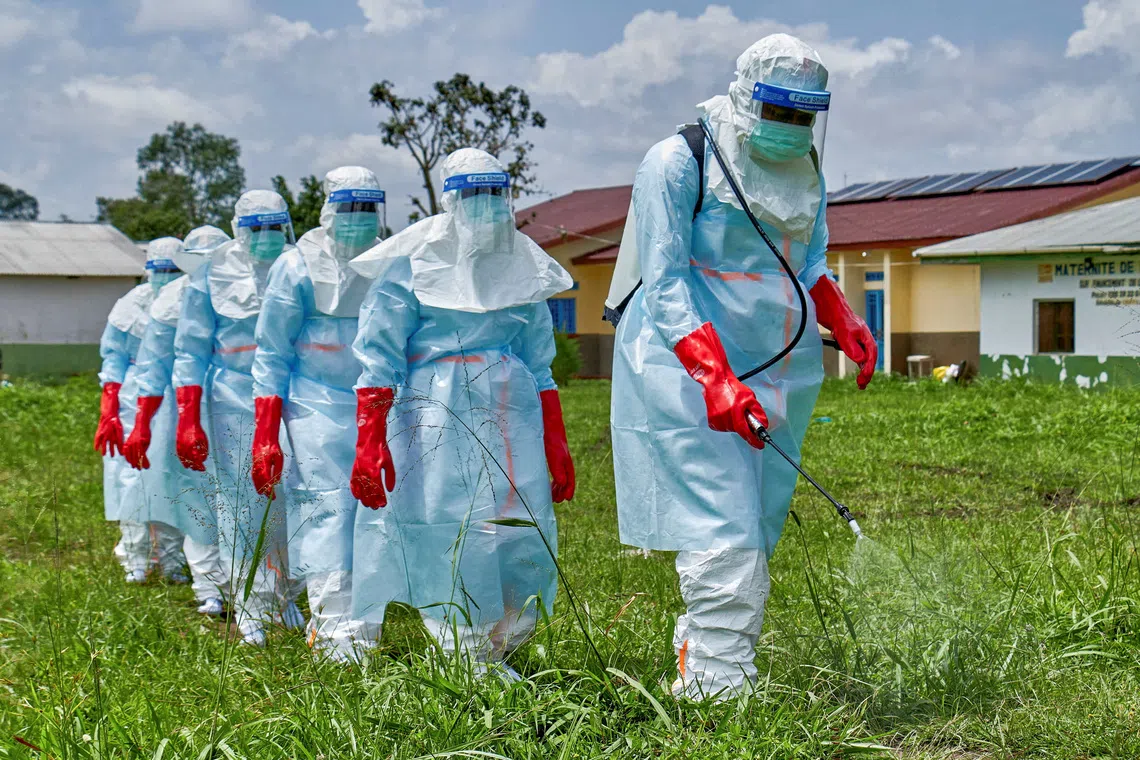
The city’s investigation led to the identification of Legionella bacteria in cooling towers across 76 buildings on the Upper East Side, as well as one location on the Upper West Side. These sites include a variety of structures such as museums, private schools, and apartment buildings. On 14 July, the city ordered all identified buildings to clean and disinfect their cooling tower systems. According to the Health Department, every building subject to the order completed the required remediation within 48 hours.
Beyond these specific cleanings, the city has mandated that all cooling tower operators citywide increase their use of biocides to combat the bacteria during the summer months. Inspectors have collected samples from 183 cooling tower systems in the affected area, with all initial PCR screenings now concluded. Live culture testing is currently underway to determine if active bacteria persist in the systems.
This incident follows similar outbreaks in New York City. Last year, seven people died and more than 100 were sickened during an outbreak in New York’s Harlem neighborhood. New regulations that went into effect this past May now require cooling tower operators to test for Legionella every 31 days while operational. So far, 77% of operators are already actively submitting data.
Looking ahead, the Health Department intends to continue inspecting every cooling tower that returned a positive result, as well as an unregistered tower identified during the recent investigation. Officials have pledged to hold property owners accountable for any failures to comply with public health mandates.
How significant is this development?
Participate in our community survey on the trajectory and real-world impact of this news.