US citizen working in DR Congo tests positive for Ebola
A US medical missionary has been evacuated to Germany for treatment after contracting Ebola in the Democratic Republic of Congo.
- Headline Dispatch: US citizen working in DR Congo tests positive for Ebola
- Core Takeaway: A US medical missionary has been evacuated to Germany for treatment after contracting Ebola in the Democratic Republic of Congo.
- Source Synthesis: Continuous live monitoring aggregated across major news wires and independent bureaus.
US citizen working in DR Congo tests positive for Ebola
A US doctor serving as a medical missionary in the Democratic Republic of Congo has tested positive for the Bundibugyo strain of the Ebola virus, the Centers for Disease Control and Prevention (CDC) announced on Friday. The patient, identified by the international Christian missions organization Serge as Dr. Peter Stafford, was evacuated to Germany for treatment.
Dr. Stafford, a specialist in general surgery who has worked at Nyankunde Hospital in Bunia since 2023, was exposed while treating patients. According to the CDC, he developed symptoms over the weekend and tested positive late Sunday. He is currently being treated in a special isolation ward at Charité hospital in Berlin.
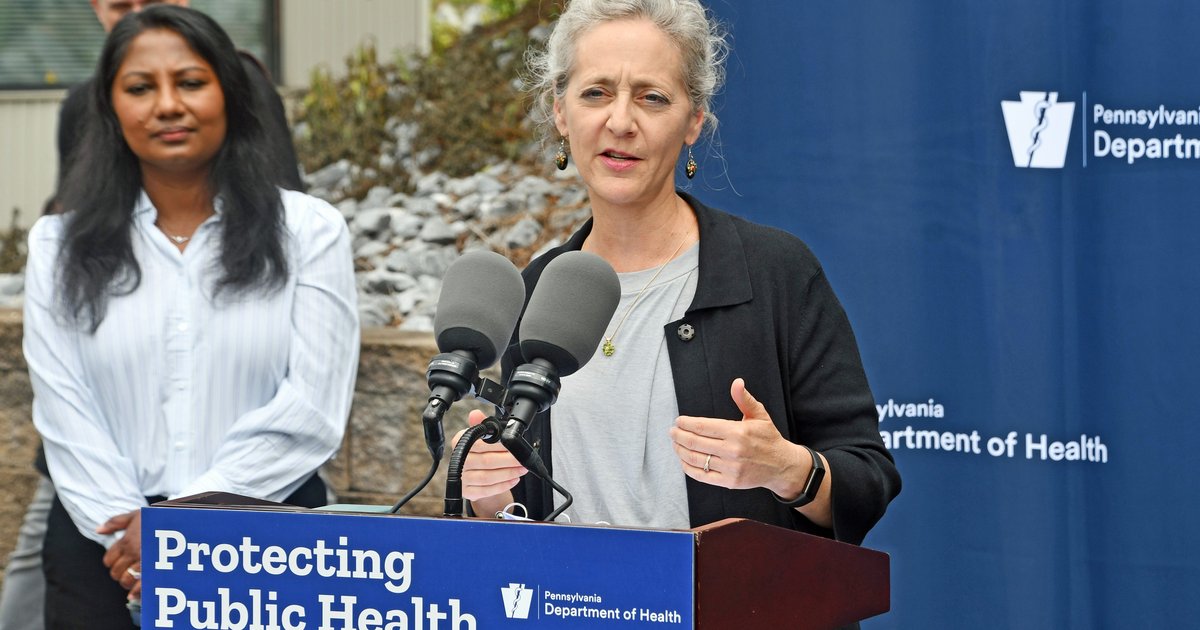
The CDC is coordinating with the patient's employer, federal agencies, and partners in the DRC to identify high-risk contacts and prevent further transmission. Dr. Satish K. Pillai, incident manager for the CDC's Ebola response, stated that the patient and six other high-risk contacts are being moved to Germany. Pillai noted that shorter flight times and previous experience in caring for Ebola patients allow these individuals to reach points of care quickly.
Family and Colleagues
Dr. Stafford's wife, Dr. Rebekah Stafford—an expert in obstetrics and gynaecology—and another physician were also treating patients in the region when the outbreak began. Both remained asymptomatic and followed quarantine protocols. The Staffords, who met at Ohio State University and wed in 2013, moved to Africa in 2019 and previously worked in Togo.
The couple's four children, all under age seven, were monitored for signs of the virus. Following their evacuation to Berlin, Dr. Stafford described the experience as a difficult time
, noting that high fever and weakness made it at times too difficult even to walk on my own
.
Dr. Rebekah Stafford expressed feeling overwhelmed by the mobilization of global efforts to treat her husband, while observing that their Congolese friends would not receive the same level of care.
International Response and US Restrictions
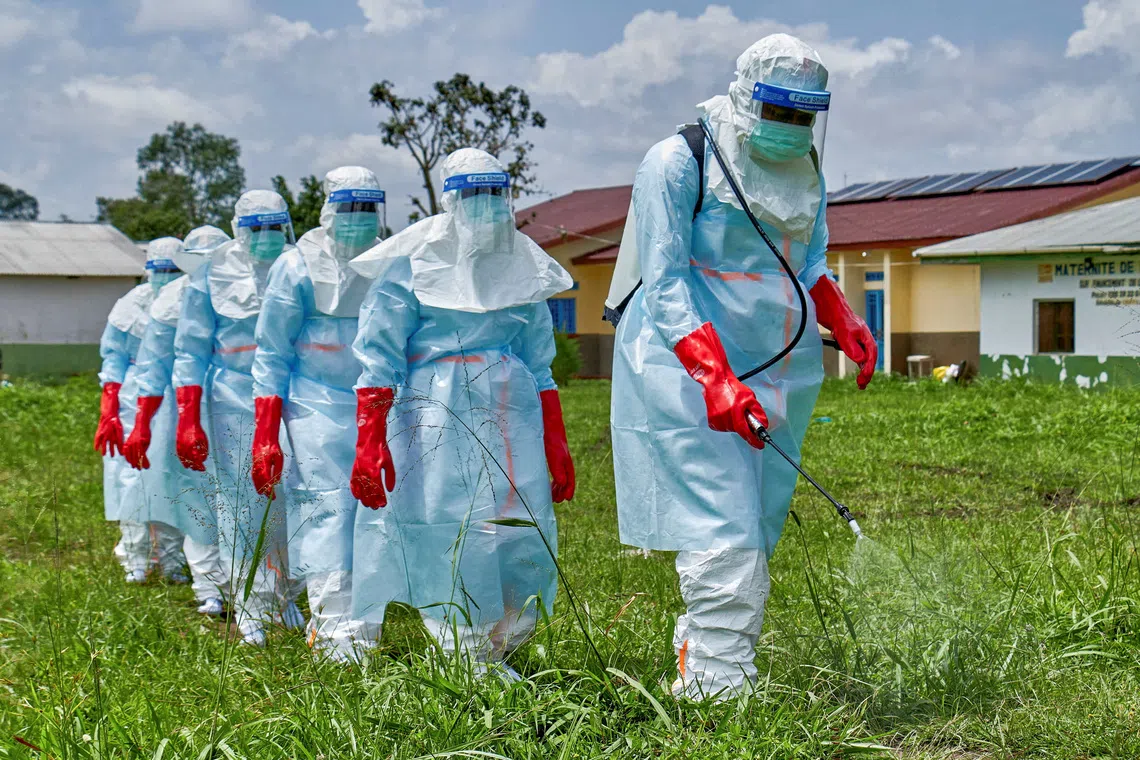
The World Health Organization (WHO) has declared the outbreak in the DRC and Uganda a public health emergency of international concern
. The WHO warned that the outbreak, centered in the eastern Ituri province of the DRC, could be a much larger outbreak
than what is currently reported, posing a significant risk of regional and local spread. This is the 17th Ebola outbreak in the DRC since the disease emerged in the 1970s.
The current strain is caused by the Bundibugyo virus. According to the WHO, there are no vaccines or therapeutics for this specific strain.
In response, the CDC has implemented the following measures:
- Activated its Emergency Operations Center via country offices in Uganda and the DRC.
- Deployed technical experts from its Atlanta headquarters.
- Issued an order under Title 42 of the Public Health Services Act to restrict entry for non-U.S. Passport holders who have been in South Sudan, Uganda, or the DRC in the previous 21 days. This order is effective for 30 days and does not apply to lawful permanent residents or US citizens.
Secretary of State Marco Rubio stated that the US has set aside $14m to assist rural clinics, while noting that the WHO had been a little late to identify
the outbreak. The State Department added that it is working with the US military and the CDC on the potential repatriation of affected Americans. Initial foreign aid of $13 million has been mobilized to support laboratory capacity, surveillance, and clinical case management.
Outbreak Statistics and Risk
The scale of the outbreak varies by report. Government data cited by Reuters late Friday showed confirmed cases in the DRC had increased to 1,830, including 648 deaths. Other reports indicate at least 131 deaths and more than 513 suspected cases. As of Sunday, the WHO reported 10 confirmed cases, 336 suspected cases, and 88 suspected deaths in the DRC, as well as one confirmed death and two confirmed cases in Uganda among travelers from the DRC.
The CDC maintains that the risk to the American public and travelers remains low, as the outbreak is confined to remote areas of Uganda and the DRC. No Ebola cases have been confirmed within the United States. However, a case was reported last month in France involving another humanitarian worker returning from the DRC.
Ebola typically spreads through direct contact with the bodily fluids of an infected person, not through air or casual contact. Symptoms, which appear between two and 21 days after exposure, begin suddenly with fatigue, headache, and fever.
How significant is this development?
Participate in our community survey on the trajectory and real-world impact of this news.