
Oil futures tumbled to their lowest level since March 10 as Iran announced it would allow all commercial shipping through the Strait of Hormuz, easing a 12-week blockade that had trapped 157 tankers carrying millions of barrels of crude. The move, which comes after weeks of escalating tensions and sporadic attacks on vessels, has sent shockwaves through global energy markets—where prices had been propped up by fears of prolonged disruptions. Yet beneath the immediate relief lies a fragile truce: experts warn that a full return to pre-war traffic could take months, if not longer, as mines, insurance hurdles, and lingering geopolitical risks linger.
Why Oil Futures Dropped: The Hormuz Reopening That Isn’t Quite a Reopening
Iran’s decision to lift its de facto blockade of the Strait of Hormuz—announced just hours before oil futures hit their lowest point in two months—has sent traders scrambling to recalibrate their risk models. According to shipbroker Gibson’s latest analysis, the conflict has now entered its 12th week, and while the number of tankers transiting the strait has inched up, actual oil flows remain “at a trickle.” The strait, which carries roughly 20% of the world’s seaborne oil, has been a flashpoint since late February, when Iran began restricting traffic amid broader tensions with the U.S. and Israel.
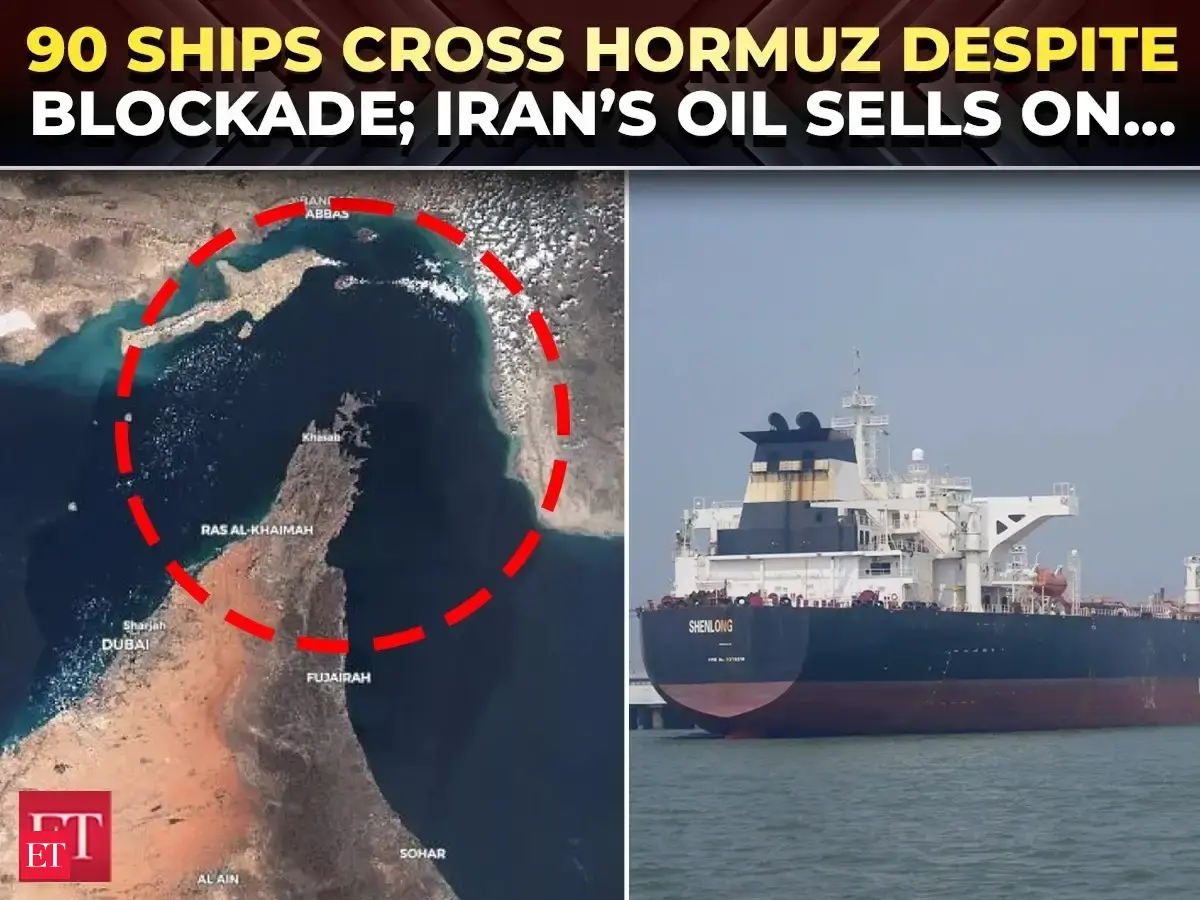
The immediate market reaction—futures slipping to levels last seen in early March—reflects a classic case of “buy the rumor, sell the news.” Traders had priced in the possibility of a deal for weeks, but the actual easing of restrictions has removed the speculative premium. Yet the relief may be short-lived.
- Residual hesitancy: Even with Iran’s announcement, shipowners are likely to proceed cautiously, sticking to tested routes along the Iranian or Omani coastlines—especially if mines remain a threat.
- Insurance and security: A renewed insurance framework for tankers is still needed, and port congestion could flare up as loading schedules are re-established.
- Geopolitical uncertainty: The deal, if it holds, would require buy-in from the U.S., Israel, and Gulf Cooperation Council (GCC) states—a process that could drag on for weeks.
The Tanker Backlog: 157 Ships Waiting to Exit the Gulf
As of Monday, May 25, 2026, the Persian Gulf is a maritime parking lot. Gibson’s data shows 157 mainstream tankers (each over 25,000 deadweight tons) trapped inside the Gulf, with 123 of them laden and eager to exit. Another 150+ ballast tankers are positioned in the Gulf of Oman, ready to load cargoes as soon as the all-clear is given. The backlog is a direct result of Iran’s restrictions, which forced vessels to reroute or anchor, creating a bottleneck that could take weeks to clear—even with the strait now open.

The International Energy Agency (IEA) has warned that countries like the UAE and Saudi Arabia, which have more resilient supply chains and higher inventory levels, could restore exports within weeks to months. Saudi Arabia, for instance, may reduce flows on its East-West pipeline to cut inefficiencies, while the UAE could revive the Habshan-to-Fujairah pipeline to pre-war levels. Qatar, however, is expected to lag due to less resilient infrastructure.
For more on this story, see Trump OKs Iran Deal, ‘Strait of Hormuz’ to be Reopened in Principle.
Freight rates, currently volatile, are likely to spike initially as owners assess the new risks. Once the strait is confirmed safe, rates should stabilize—but not before a period of congestion at Gulf ports, where loading schedules are still in flux.
The $45 Billion Question: How Much Oil Is Actually Stuck?
The Strait of Hormuz isn’t just a choke point for oil—it’s the world’s most critical energy artery. According to the IEA, global crude demand hit 83.3 million barrels per day in December 2005, and that number has only grown since. Today, the strait carries roughly 20% of that demand, or about 16.6 million barrels daily. With 123 laden tankers trapped in the Gulf, the backlog could represent hundreds of millions of barrels—enough to disrupt markets if the bottleneck isn’t resolved quickly.
Yet the real story isn’t just about the oil already in the water. It’s about the insurance and logistical chains that keep the system running. Without a renewed framework for tanker insurance—currently in limbo due to the conflict—shipowners face liabilities that could deter them from transiting the strait even after Iran’s announcement. The live oil price models suggest that while futures have dipped, the underlying volatility remains high, reflecting traders’ uncertainty about whether this is a temporary pause or the start of a lasting resolution.
Who Wins, Who Loses, and What Comes Next
The Hormuz reopening—if it holds—could be a double-edged sword for different players in the energy market.

- Gulf exporters (Saudi Arabia, UAE, Qatar): The fastest to benefit, with Saudi Arabia and the UAE already positioning to ramp up exports within weeks. The UAE’s Fujairah port, in particular, could become a critical hub for rerouted tankers.
- Oil importers (China, India, Europe): Relief at the pump, but prices won’t drop immediately. The backlog means supply will catch up slowly, and any new disruptions could send prices spiking again.
- Tanker owners and insurers: High short-term profits from volatile freight rates, but long-term risks if the conflict reignites. Insurance markets are still pricing in uncertainty.
- U.S. and Israel: The wild cards. Both have stakes in keeping the strait open, but their willingness to engage with Iran’s terms will determine whether this is a lasting fix or another temporary ceasefire.
The bigger question is whether this is a one-off easing or the start of a broader diplomatic thaw. Iran’s move comes amid broader tensions in the region, and without a comprehensive deal—one that includes mine clearance, security guarantees, and U.S.-Iran détente—the strait could remain a flashpoint. Historically, such crises have a way of resurfacing. In 2019, for example, tensions in the strait led to a 20% spike in oil prices before tensions eased. This time, the stakes are higher: global demand is up, supply chains are tighter, and geopolitical patience is thinner.
The Bottom Line: Don’t Celebrate Yet
Oil futures may have dropped on Monday, but the market’s underlying anxiety remains. The Strait of Hormuz is open—for now—but the real test will be whether the 157 trapped tankers can sail freely, whether insurance markets stabilize, and whether Iran’s decision is the first step toward a lasting deal or just another pause in a longer conflict. One thing is clear: the world’s energy markets are still holding their breath.
For traders, exporters, and importers alike, the next few weeks will be critical. If the strait remains open and traffic normalizes, prices could stabilize. If tensions flare again—or if the backlog proves too much to clear quickly—we could see another spike. The IEA’s warning about inventory levels and export resilience suggests that while the immediate crisis may be easing, the underlying fragility of global oil supply chains is still very much intact.
- Tanker transit numbers: Are the 157 stuck vessels actually moving, or are they still waiting?
- Insurance market updates: Will underwriters extend coverage, or will they keep rates elevated?
- Diplomatic signals: Is this a permanent easing, or just a temporary lull?
The Strait of Hormuz isn’t just a waterway—it’s the world’s most important energy crossroads. And right now, the crossroads is still under construction.
