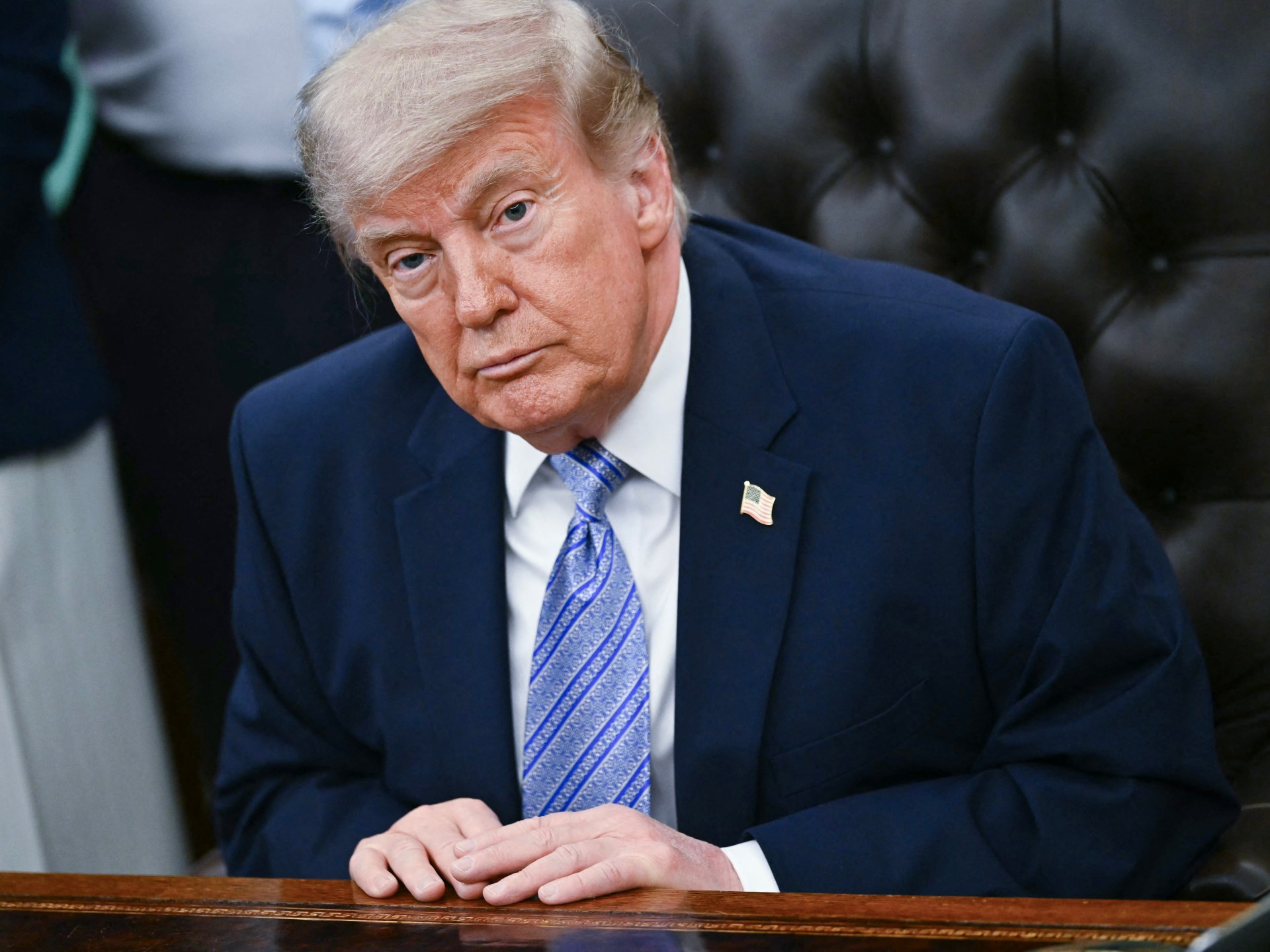
U.S. and Iranian negotiators have reached a preliminary agreement to dispose of Iran’s highly enriched uranium, with President Trump instructing representatives to avoid rushing the deal, according to multiple reports. The framework includes reopening the Strait of Hormuz and easing sanctions, though final terms remain under discussion. CBS News and Yahoo detail the evolving negotiations, while Al Jazeera highlights Trump’s directive to prolong the process.
Preliminary Agreement on Uranium Disposal
Iran has agreed in principle to dispose of its stockpile of highly enriched uranium, a critical step toward resolving the nuclear standoff, according to a senior Trump administration official quoted by CBS News. The official described the deal as “a better deal than the 2015 agreement,” which permitted limited enrichment. While the mechanism for uranium disposal remains under discussion, both sides have confirmed the goal of eliminating the material. “We’re in a place where we can get the straits open, where we can accomplish the president’s objectives when it comes to the nuclear material,” the official said, adding that “the narrative that’s out there can undermine a good outcome for the country.”

Trump’s team emphasized that the agreement would not force Iran to overthrow its government, stating, “We’ll deal with the government we have now in Iran.” The president himself acknowledged the deal was “largely negotiated” but warned against haste, tweeting, “Time is on our side.” Yahoo reported that the U.S. seeks to ensure Iran “cannot develop or procure a nuclear weapon or bomb,” with the final terms pending certification.
Trump’s Strategic Pause
Despite the progress, Trump has instructed negotiators to avoid rushing the deal, a move that reflects his broader strategy of leveraging leverage. “The negotiations are proceeding in an orderly and constructive manner,” the president wrote on Truth Social, “and I have informed my representatives not to rush into a deal when that time is on our side.” This caution contrasts with earlier optimism, as the administration balances the need for a durable agreement against domestic political pressures. Al Jazeera noted that the U.S. blockade of Hormuz “will remain in full force until an agreement is reached, certified, and signed.”

The White House has also highlighted the involvement of key figures, including Vice President JD Vance, Middle East envoy Steve Witkoff, and Trump’s son-in-law Jared Kushner. A senior official told CBS News that the U.S. is “trying to involve every Middle Eastern ally,” though the exact role of regional partners remains unclear. Trump’s insistence on patience underscores his belief that “the Iranians are making some serious accommodations” compared to previous negotiations.
Reopening the Strait of Hormuz
A central component of the deal is the reopening of the Strait of Hormuz, a vital global shipping lane. The agreement would allow Iran to resume unrestricted oil sales while the U.S. lifts its blockade on Iranian ports. Yahoo reported that the 60-day ceasefire extension would include Iran clearing mines in the waterway, with U.S. forces remaining in the region for 60 days. The administration also plans to release billions in frozen Iranian assets, contingent on a final nuclear agreement.
However, uncertainties persist. Iran’s Tasnim news agency stated on May 24 that “Tehran was yet to accept any actions on its nuclear programme,” raising questions about the deal’s viability. The U.S. official acknowledged the “frustratingly slow” Iranian process, noting, “If I was playing devil’s advocate, you know, I’m sure that there are people out there who blame us and what’s happened in the last couple months for that fact.” Despite these hurdles, the administration remains optimistic, with the official stating, “I think we’re actually in a very good place.”
Uncertainties and Next Steps
The path forward hinges on resolving technical details and political dynamics.
