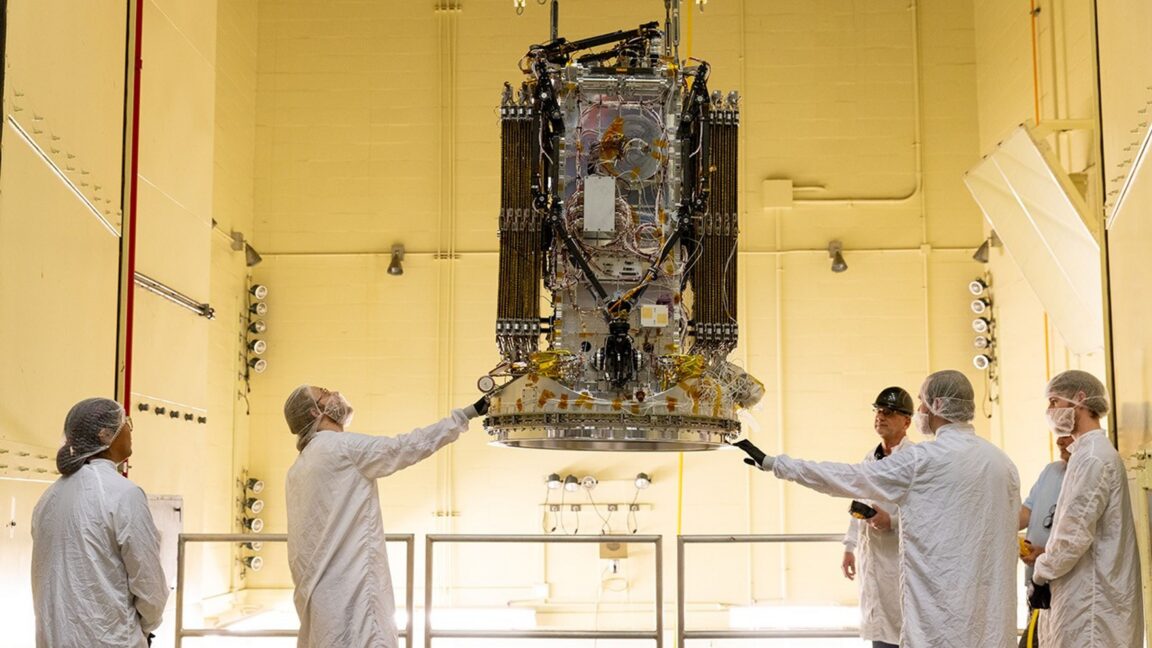
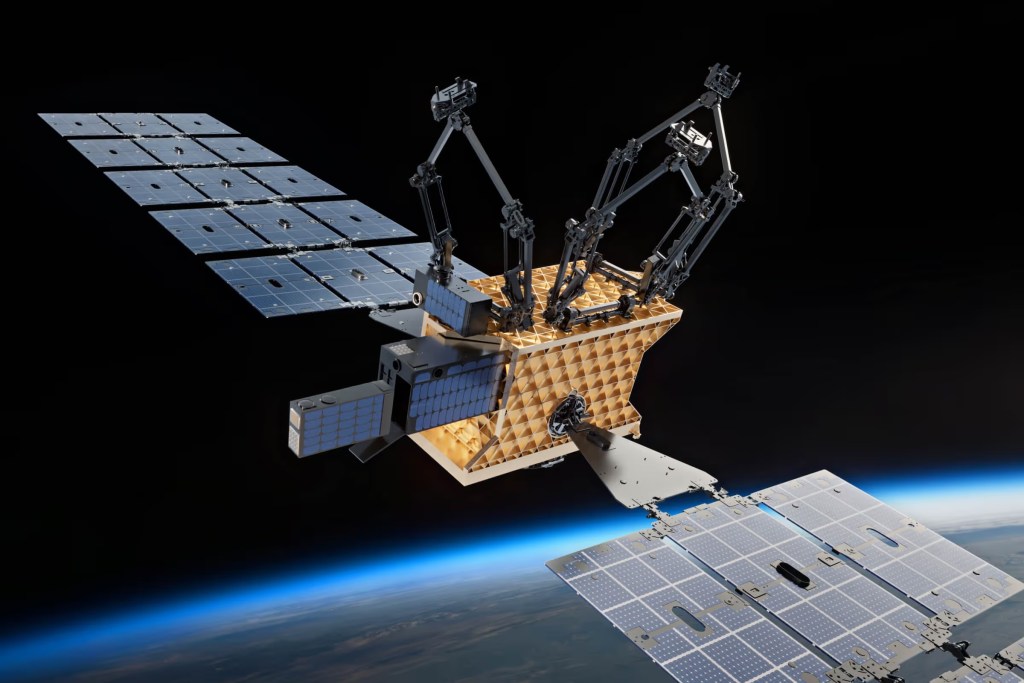
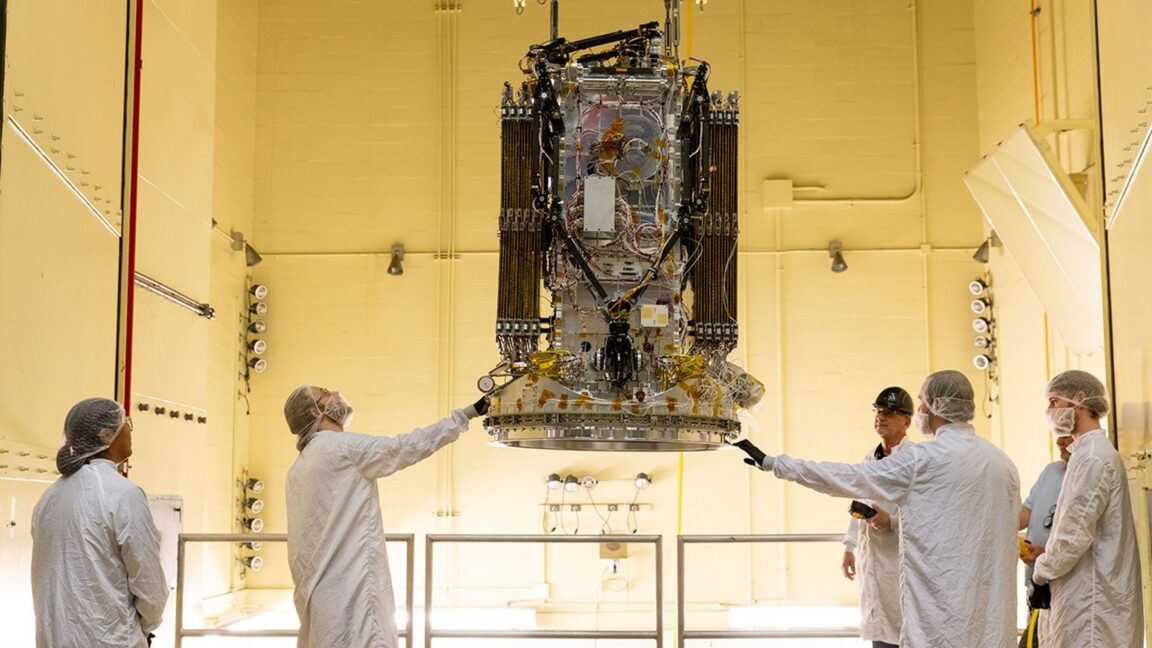
A robotic spacecraft designed to capture an unprepared satellite will launch this week, marking the first operational mission of its kind—and a potential blueprint for future commercial-government space partnerships.
Katalyst, a space technology firm, is set to launch its Link spacecraft on a Northrop Grumman Pegasus XL rocket, aiming to demonstrate a capability that could revolutionize satellite servicing. The mission, developed in record time, carries significant risks—but also a chance to redefine how aging satellites are managed in orbit.
Why This Mission Is a First—and Why It Matters
The Link spacecraft is not just a demonstration. It’s an operational mission, the first of its kind to attempt capturing an unprepared satellite—a task that could extend the lifespan of costly assets already in orbit. According to Ars Technica, Katalyst’s vice president for strategic partnerships, Robert Lamontagne, frames it as a “blueprint for commercial and government partnerships.” The stakes are high: if successful, this could open the door to routine satellite servicing, debris removal, and even in-orbit refueling—services that could save billions in lost assets.

What makes this mission unique isn’t just the technology, but the speed at which it was assembled. Katalyst, which acquired Atomos Space in 2025, developed the Link spacecraft in under two years—a remarkable turnaround for a project of this complexity. The urgency came from the risk that the target satellite, Swift, could deorbit before the rescue mission was ready. As Katalyst’s program manager put it: “The biggest risk was that we weren’t ready to launch in time, that Swift would fall faster than we could get up.” That risk has now been mitigated, but the challenge of actually capturing the satellite remains.
The Rocket That Almost Didn’t Fly—and the Logistics Behind the Launch
The Pegasus XL rocket, built by Northrop Grumman, is a relic of a different era—its last two flights were ordered by Stratolaunch in 2018, only to be abandoned after the death of its founder, Paul Allen. Left in storage, the rockets were repurposed: one sold to the Space Force in 2021, the other to Katalyst last year. The reuse of these rockets highlights a growing trend in space: leveraging existing infrastructure to cut costs and accelerate timelines. “We had all the parts in storage,” Ars Technica notes, “which helped us avoid delays.” But the real test isn’t just launching—the spacecraft must then rendezvous with Swift, a satellite not designed to be serviced, and perform a delicate capture.
This isn’t just about proving the tech works. It’s about proving it works in the real world. Unlike previous demonstrations—where missions were designed with perfect conditions in mind—this is an operational mission. “It’s not just a demonstration,” Lamontagne said. “We’re doing this as a service.” That shift from lab to marketplace is critical. If Katalyst can pull it off, it could unlock a new economy in space: one where satellites aren’t discarded when they fail, but repaired, refueled, and reused.
The Risks: Why Even Katalyst’s Team Isn’t Sure It Will Succeed
The mission’s success hinges on two unproven capabilities: getting the spacecraft into orbit and performing the capture. As the program manager acknowledged, “We still have to get the spacecraft on orbit and operate it there successfully—and as we’ve all seen before, that’s a very challenging thing to do.” The failure rate for first-time orbital operations is notoriously high. Even if Link reaches Swift, the capture mechanism must work flawlessly—a task complicated by the fact that Swift was never designed to be serviced.
Yet the risks are outweighed by the potential rewards. According to Ars Technica, NASA and its partners view this as a “new template for responsive space missions.” The ability to rapidly develop and deploy a spacecraft to address an immediate orbital threat—or opportunity—could change how governments and companies approach satellite operations. “From a programmatics standpoint,” one executive told reporters, “I consider this a success already, just from the fact that we’re even going to try this.” The message is clear: the real failure would be not attempting it at all.
What Happens Next—and Why This Could Reshape Space Economy
If the mission succeeds, the implications stretch far beyond satellite servicing. It could pave the way for debris removal—a growing crisis in low Earth orbit—and even in-orbit manufacturing. The ability to extend the life of satellites could save satellite operators billions, while also reducing the need for costly replacements. But if it fails, the setback could delay the entire industry’s push toward commercial orbital services.
One thing is certain: this mission will be watched closely. The space economy is projected to grow to $1.5 trillion by 2030, with servicing and refueling expected to be major drivers. Katalyst’s Link spacecraft isn’t just testing technology—it’s testing whether the commercial space sector can deliver on its promises. And if it does, we may be witnessing the birth of a new era in orbital infrastructure.
For now, the world waits to see if the spacecraft can pull off the impossible: capturing a satellite that wasn’t built to be caught.
Find more reporting in our Technology section.
