A D.C. judge has dismissed the Kennedy Center’s lawsuit against jazz musician Chuck Redd, ordering the arts institution to pay his legal fees after it sued him for canceling a concert over the center’s Trump renaming. The ruling could set a precedent for how public institutions handle free speech in contracts.
Why the Kennedy Center’s Lawsuit Collapsed
The Kennedy Center’s attempt to sue jazz drummer Chuck Redd for canceling his annual Christmas Eve concert at the Millennium Stage has backfired spectacularly. On Friday, District of Columbia Superior Court Judge Tanya Jones Bosier dismissed the center’s breach-of-contract lawsuit against Redd, ruling that the center had no valid claim because Redd never signed the contract in question. Worse for the Kennedy Center: the judge also ordered it to pay Redd’s legal fees and court costs, a financial blow that could reach into the hundreds of thousands of dollars. The ruling is a sharp rebuke to the center’s former president, Richard Grenell, who had framed Redd’s cancellation as a “political stunt” and threatened $1 million in damages.
According to Washingtonian, the judge’s decision hinged on two key legal flaws. First, the Kennedy Center couldn’t prove Redd had ever agreed to the 2025 contract—meaning there was no breach to sue over. Second, the lawsuit qualified as a “SLAPP” (Strategic Lawsuit Against Public Participation), a tactic often used to silence critics. Judge Bosier noted that the center’s legal action was aimed at punishing Redd for speaking to the Associated Press about his decision, which was tied to the center’s controversial renaming after Donald Trump. “There was a community-wide debate about the name change,” the judge wrote, framing Redd’s comments as protected advocacy on a matter of public interest.
The case now sets a precedent: public institutions in D.C. may think twice before suing critics under contract claims when no signed agreement exists—and when the real motive is to stifle dissent. For Redd, the victory is personal. He had performed at the Kennedy Center’s Millennium Stage for over two decades, and his cancellation of the 2025 concert was a direct response to the center’s December 2024 vote to add Trump’s name to its facade and website. When the renaming was announced, Redd told reporters he made his decision “when I saw the name change on the Kennedy Center website and then hours later on the building.” The center’s attempt to sue him for that stance has now been exposed as legally baseless—and politically tone-deaf.
The $1 Million Damages Threat That Never Materialized
The Kennedy Center’s legal overreach began in March, when it filed suit against Redd seeking unspecified damages—though former president Richard Grenell had previously warned of “$1 million in damages” for what he called Redd’s “classic intolerance.” The actual lawsuit, filed by the Georgia-based law firm Chalmers, Adams, Backer & Wallen, was more vague: it claimed damages for “lost goodwill with the public, wasted marketing expenses, and sunk costs preparing for a concert that did not occur.” A settlement offer accompanied the filing, demanding Redd pay $7,500, perform at the 2026 concert, and refrain from further “political commentary.”
The center’s financial exposure is now clear: it must cover Redd’s legal fees, which could easily exceed the $7,500 it once offered as a settlement. The judge’s ruling also underscores the center’s poor legal strategy. As The Guardian reported, the lawsuit was widely seen as an attempt to silence criticism of the Trump renaming—a move that backfired spectacularly. Redd’s legal team, including attorney Lisa J. Banks, framed the case as “political retribution, pure and simple.” The judge agreed, dismissing the lawsuit “with prejudice,” meaning the center cannot refile the same claim.
For context, Redd and his band were scheduled to receive $6,500 for the free concert—a fraction of the $1 million Grenell had threatened. The center’s financial gamble has now cost it far more than the concert’s value. Legal experts say the ruling could deter other public institutions from using frivolous lawsuits to punish critics, particularly when no signed contract exists.
How the Trump Renaming Sparked the Controversy
Judge dismisses Kennedy Center's lawsuit against Chuck Redd for canceled Christmas Eve concert
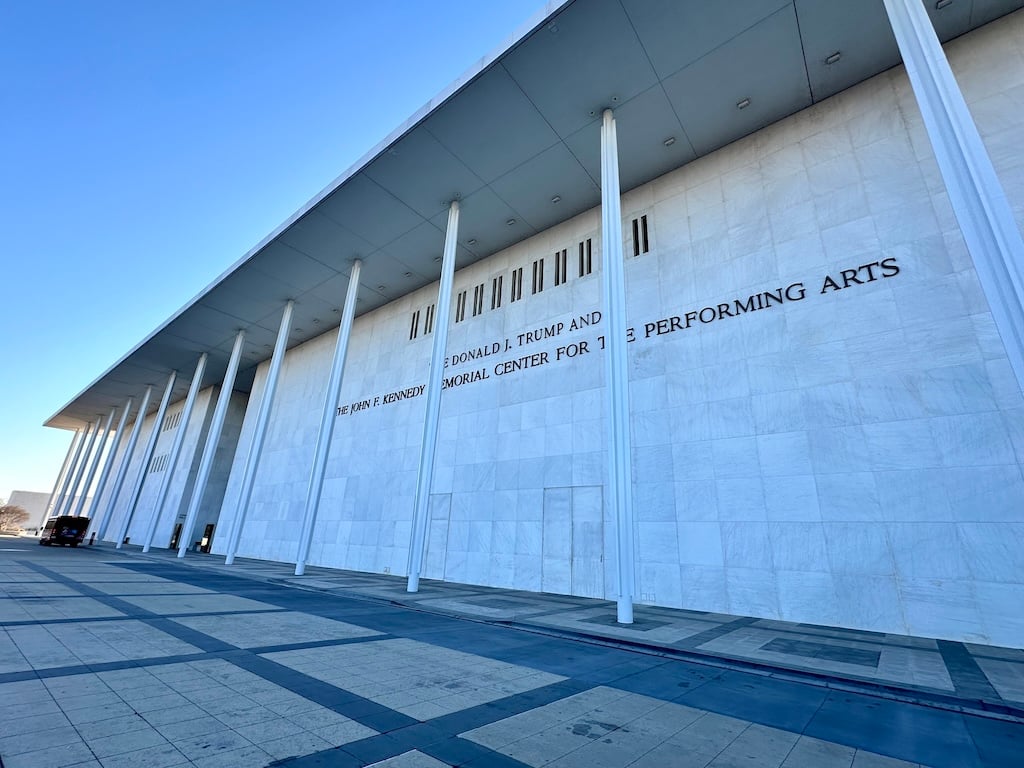
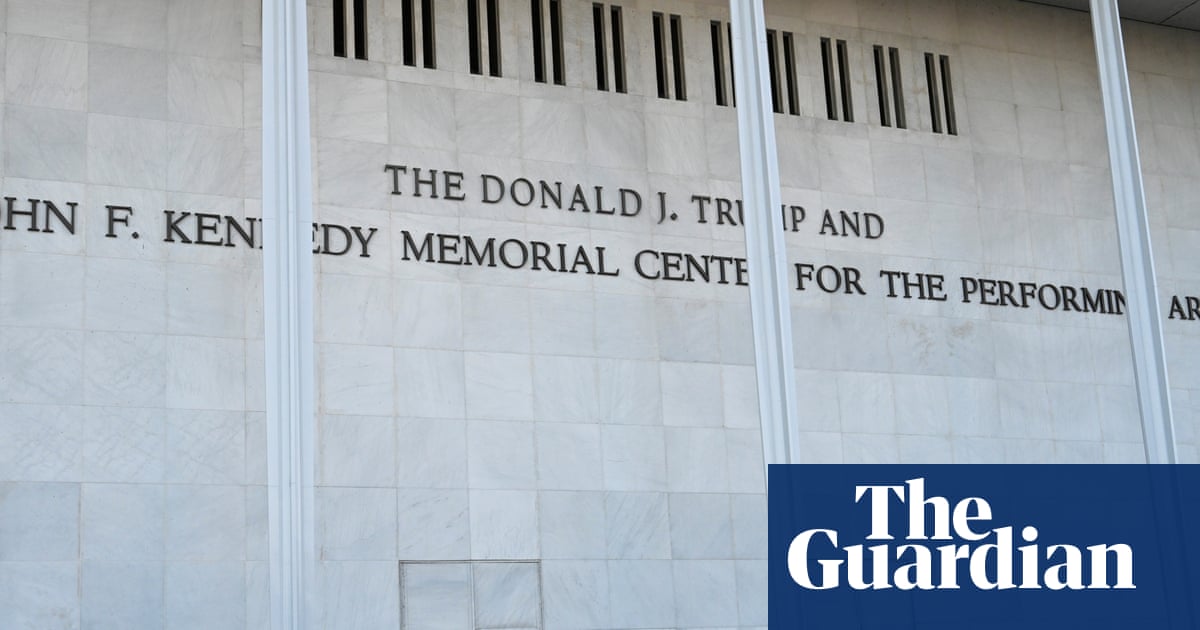
The immediate catalyst for Redd’s cancellation was the Kennedy Center’s December 2024 decision to add Donald Trump’s name to its official title, despite the center being a living memorial to President John F. Kennedy as designated by Congress. The renaming sparked a public debate, with critics arguing that altering the center’s name required an act of Congress—a claim that was later upheld in a separate legal ruling just days before the judge dismissed the Redd lawsuit. On May 30, another D.C. judge ordered the removal of Trump’s name from the center’s facade and website, stating that the renaming violated federal law.
Redd’s cancellation was not an isolated protest. The musician had performed at the Kennedy Center’s Millennium Stage for over 20 years, making his decision to pull out a high-profile statement. In an interview with the Associated Press, he explained that he had been wavering on whether to perform until he saw the name change. “There was a community-wide debate about the name change,” he said, and he chose to use his platform to voice opposition. The center’s attempt to sue him for that stance was widely seen as an overreach—especially since Redd had never signed the 2025 contract the center claimed he breached.
The timing of the lawsuit was also telling. Grenell’s open letter to Redd, threatening legal action, was distributed to media outlets just days after the renaming was announced. The letter called Redd’s cancellation “very costly to a nonprofit arts institution,” a claim that now looks hollow in light of the judge’s ruling. The center’s legal team had argued that Redd’s public statements violated a newly added “morals clause” in artist contracts—but the judge rejected that argument, stating that Redd’s comments were protected speech on a matter of public interest.
What Happens Next for the Kennedy Center
Photo: The Guardian
The Kennedy Center now faces two immediate fallouts from this legal defeat. First, it must pay Redd’s legal fees—a financial hit that could be substantial, given the complexity of the case. Second, the ruling sets a precedent that could discourage similar lawsuits in the future. Public institutions, particularly those funded by taxpayers, may think twice before suing critics under flimsy contract claims when no signed agreement exists.
The center’s reputation has also taken a hit. The lawsuit was widely seen as an attempt to silence dissent over the Trump renaming, and the judge’s ruling has exposed that motive. As Lisa J. Banks, one of Redd’s attorneys, put it: “The lawsuit against Mr. Redd was political retribution, pure and simple.” The center’s former president, Richard Grenell, has not commented publicly on the ruling, but his aggressive legal tactics have now been publicly rebuked.
Looking ahead, the Kennedy Center may face further legal challenges over its renaming. The May 30 ruling ordering the removal of Trump’s name from the center’s facade and website remains in effect, and the center could be sued again if it fails to comply. Meanwhile, Redd’s victory has emboldened other artists and critics who may have hesitated to speak out against the center’s actions. The case now serves as a warning: public institutions cannot use lawsuits to punish free speech—even when they disagree with the message.
The Broader Implications for Arts Institutions
This case is more than a legal victory for Chuck Redd—it’s a wake-up call for arts institutions that rely on public funding and goodwill. The Kennedy Center’s attempt to sue a musician for canceling a concert over a political stance has backfired, exposing the risks of using legal threats to silence critics. The judge’s ruling on the SLAPP motion sends a clear message: lawsuits aimed at punishing protected speech will not be tolerated, even in contract disputes.
For other performing arts centers, the case offers a cautionary tale. Many institutions rely on free publicity from artists’ cancellations or statements—especially when those cancellations are tied to controversial decisions. The Kennedy Center’s financial exposure now includes not just the legal fees but also the reputational damage of being seen as an institution that sues critics. The center’s former president, Richard Grenell, had framed Redd’s cancellation as a “political stunt,” but the judge’s ruling suggests that the real stunt was the lawsuit itself.
The case also raises questions about the future of “morals clauses” in artist contracts. The Kennedy Center had argued that Redd’s public statements violated such a clause—but the judge rejected that claim, stating that Redd’s comments were protected speech on a matter of public interest. This could lead other institutions to reconsider how they enforce similar clauses, particularly when artists’ statements touch on political or social issues.
Finally, the ruling comes at a time when public institutions are increasingly under scrutiny for their handling of free speech. The Kennedy Center’s Trump renaming was itself controversial, and the lawsuit against Redd only deepened the backlash. As the judge noted, there was a “community-wide debate” about the name change—and the center’s legal action was seen as an attempt to stifle that debate. For arts institutions that depend on public trust, the message is clear: lawsuits are not a substitute for dialogue.
The Kennedy Center’s legal defeat is a rare win for free speech in the arts—and a costly lesson for institutions that try to silence critics. For Chuck Redd, it’s vindication after years of performing at the center. For the Kennedy Center, it’s a reminder that even nonprofit arts institutions cannot escape the consequences of overreach.
Jasmine Brooks curates coverage of film, music, and digital culture. She began her career as an arts columnist for The Evening Tribune and has since interviewed creatives across Hollywood, Seoul, and London. Her focus blends culture, diversity, and storytelling excellence.