
Karamo Brown, the culture and lifestyle expert from Netflix’s *Queer Eye*, has shattered his public silence on the show’s infamous 2018 traffic-stop prank—and his new account of the incident is sparking a credibility crisis. In a June 4 interview with People, Brown claimed producers forced him into the driver’s seat during the staged police encounter to exploit the fear of a Black man in the South, contradicting his original 2018 statement where he called the experience “gratifying.” But sources close to production are calling his revised story “complete BS,” insisting he volunteered for the role and supported keeping the scene. The fallout has reignited tensions between Brown and *Queer Eye*, as he also revealed years of behind-the-scenes toxicity, including harassment, substance relapse, and a cast divide that fractured the show’s iconic “Fab Five” dynamic.
The Prank That Became a Flashpoint
In Season 1 of *Queer Eye*’s reboot (2018), the cast staged a traffic stop in the South to spark a conversation about racial profiling. The officer involved was an actor hired by the production, though the crew’s nervous reactions—especially Brown’s—were genuine. At the time, Brown told interviewers he was “more than grateful” for the dialogue the scene prompted. “I wanted to be in the driver’s seat,” he said, framing it as a deliberate choice to engage with the issue.
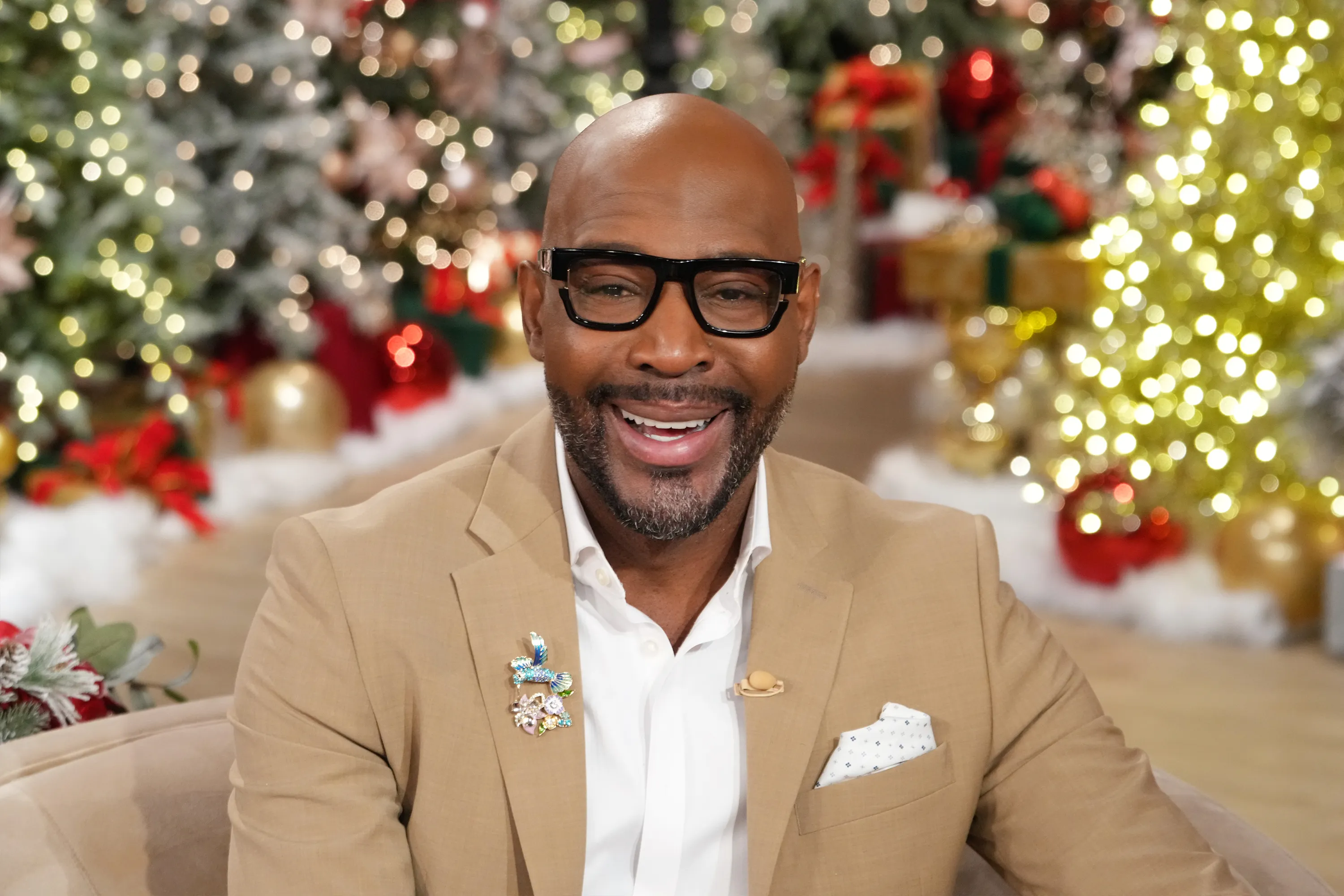
Eight years later, Brown’s narrative has flipped. In his People interview, he alleges producers forced him into the car to capture the “look of pure fear on a Black man’s face” in the South—a claim his rep says was corroborated by multiple insiders. “At the time of the interview, Karamo did not feel he could speak candidly and instead followed guidance on talking points so as not to jeopardize his position on the show,” his representative told TMZ. “He now feels comfortable sharing what occurred.”
But that comfort hasn’t extended to his co-stars. Sources close to production told TMZ that Brown’s about-face is “complete BS,” insisting he chose to drive that day and was supportive of the scene’s inclusion. The discrepancy underscores a broader pattern: Brown’s public persona as the show’s moral compass has long been at odds with his private struggles, and this latest reversal risks further eroding trust.
“At the time of the interview, Karamo did not feel he could speak candidly and instead followed guidance on talking points so as not to jeopardize his position on the show.”
Toxicity Behind the Scenes: Brown’s Unraveling
Brown’s new revelations don’t stop at the prank. He detailed a decade of emotional abuse on set, including a 2018 relapse into substance use during Season 3—a period he described as “shameful” because he was teaching others about self-improvement while “so broken.” “A drink would lead to weed, cocaine, pills,” he told People. “I wasn’t coping right, but I pretended like I was.” His breakdown came after a guest at his home had a negative reaction to drugs he’d provided, prompting him to seek sobriety again.

Even earlier, Brown said he felt like an outsider from “season one, week one,” a sentiment deepened when a sexual harassment complaint was filed against him shortly after filming began. He initially accused an unnamed co-star of filing the claim, only to later learn it was an anonymous third party. “It broke us,” he said of the fallout. “We all knew the divide between us.”
The toxicity wasn’t limited to the cast. Brown recalled a staff member telling him, “You are not a star. You are nothing. You will get replaced tomorrow.” The remark stung—especially given his role as the show’s cultural touchstone—but he admits he could have handled his time on *Queer Eye* differently. His decision to skip press for the final season in January, citing mental health concerns, was framed as self-preservation: “I hope everyone remembers the main theme I have tried to teach them over the past decade, which is to focus on and protect their mental health/peace from people or a world who seek to destroy it; which is why I can’t be there today.”
“I thought they were your friends.”
Brown’s mom overheard the cast badmouthing him, a moment that crystallized his isolation. The “Fab Five” dynamic—once a marketing powerhouse—had curdled into resentment. Original member Bobby Berk left after Season 8 amid rumors of a falling out with Tan France, and by 2024, Jeremiah Brent had replaced him. Brown’s absence from the final season’s promotional tour wasn’t just about mental health; it was a withdrawal from a show that had long felt like a gilded cage.
Production, however, pushed back against his claims of unchecked toxicity. In a statement to The Hollywood Reporter, ITV America and Scout Productions denied that concerns were ignored: “We strongly disagree with any characterization that concerns raised during the production of *Queer Eye* were ignored, dismissed or allowed to continue unchecked.” They emphasized ongoing training and support for the cast, framing the environment as “respectful and professional.”
The Fab Five’s Fractured Legacy
The *Queer Eye* reboot won 12 Emmys over 10 seasons, but its cultural impact now feels overshadowed by the personal wreckage behind the scenes. Brown’s allegations—if true—raise questions about how much of the show’s success was built on performative unity masking deep divisions. His description of the cast as “fabricated” to maintain the show’s image cuts to the heart of reality TV’s paradox: the more polished the product, the messier the reality.
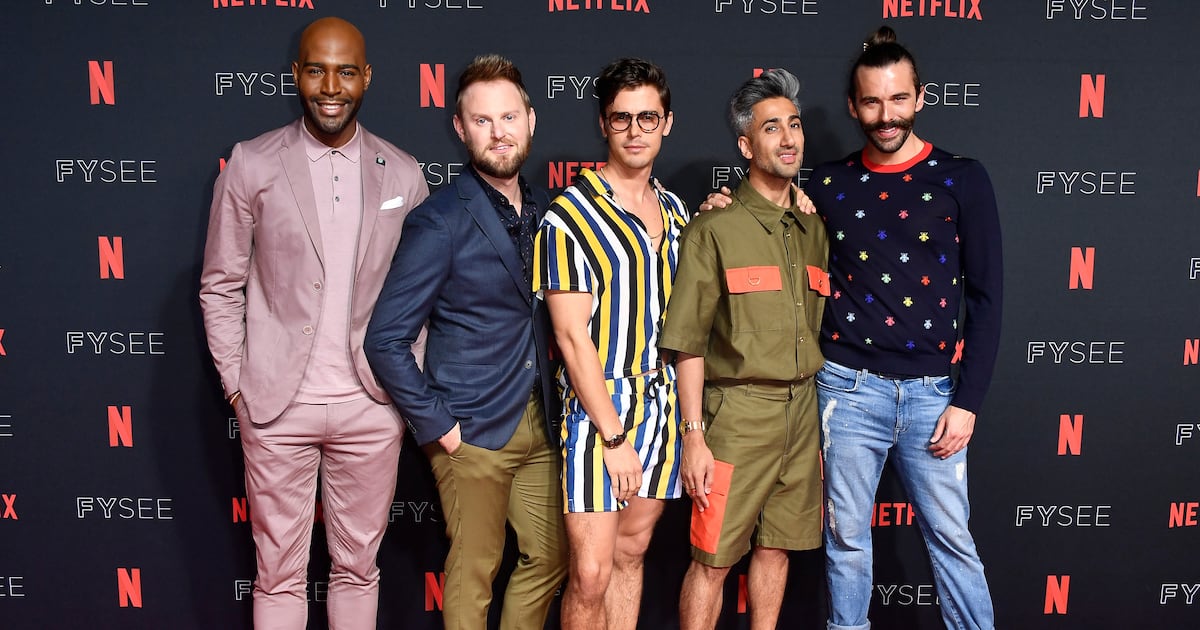
Tan France, Jonathan Van Ness, Antoni Porowski, and Jeremiah Brent have not publicly responded to Brown’s claims. But the damage is done: the “Fab Five” brand is now synonymous with infighting, not inspiration. Brown’s decision to pull out of press for the final season wasn’t just about his well-being—it was a rejection of a machine that had, for years, demanded he perform happiness while his mental health unraveled.
For Brown, the prank wasn’t just about fear—it was a metaphor for his time on the show. He was the face of the message, but the message never reached him. “I was teaching people that they could be better,” he said, “but in my own life I was trapped.”
“We all knew the divide between us.”
What Happens Next?
Brown’s interview has already reignited debates about accountability in entertainment. Will Netflix or ITV America investigate his claims? Will the remaining Fab Five address them? The show’s legacy is now intertwined with its dark side, and Brown’s willingness to speak—despite the backlash—suggests this isn’t the end of the story.
For now, the prank remains a symbol of two conflicting narratives: one where Brown was a willing participant in a bold social experiment, and another where he was a pawn in a production’s exploitation. The truth likely lies somewhere in between—but the damage to *Queer Eye*’s reputation is already done. As Brown put it in his People cover story: “I hope everyone remembers the main theme I have tried to teach them over the past decade… which is to focus on and protect their mental health/peace.” For him, that peace came at a cost: his silence, his sobriety, and ultimately, his faith in the show that made him a star.
Whether the industry—or the fans—will listen remains to be seen.
Sources: TMZ, The Daily Beast, <a href="https://www.hollywoodreporter.
<!– /wp:paragraph The damage to Queer Eye's reputation is already done, and Karamo Brown's silence, sobriety, and faith in the show that gave him a star are now irrevocably linked to the costs of protecting his mental health and peace.