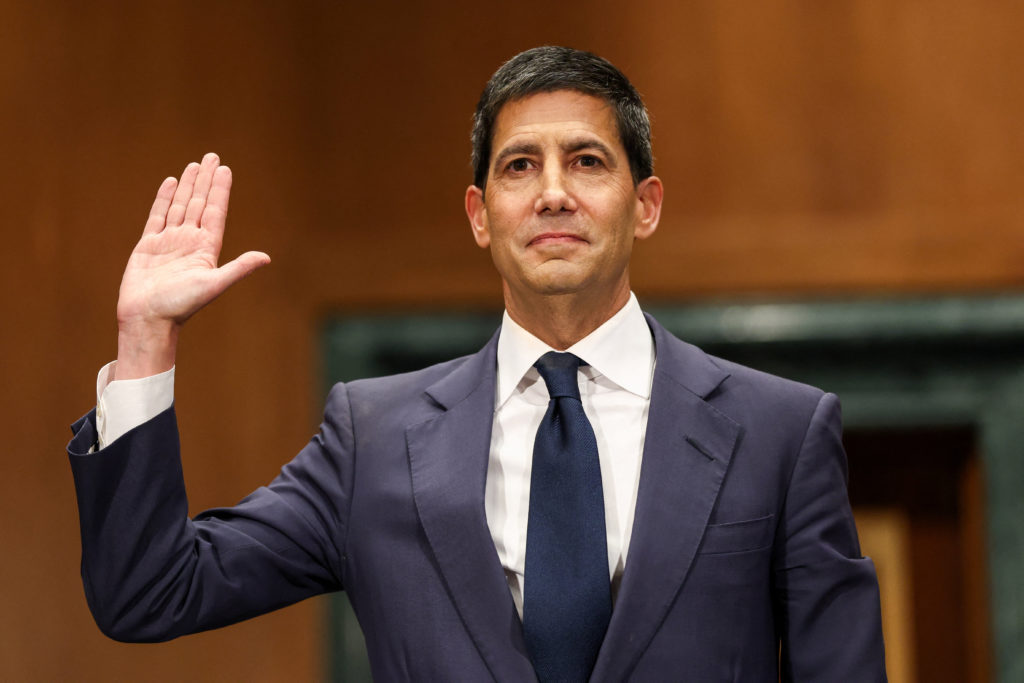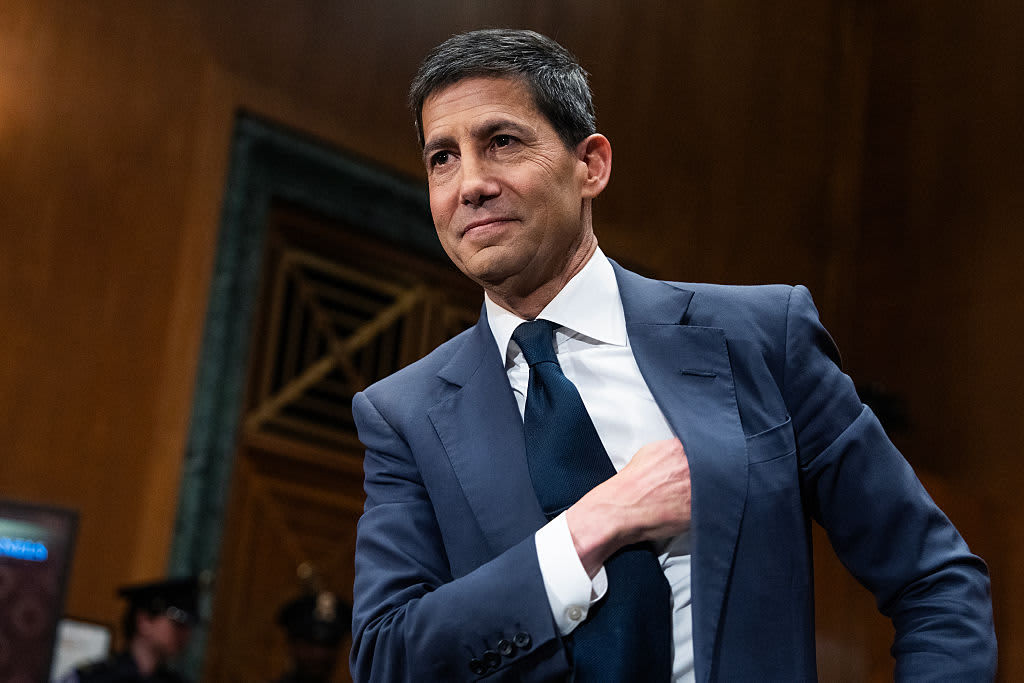
“Kevin Warsh, the newly confirmed Federal Reserve chair, is expected to skip submitting a “dot” to the central bank’s interest rate outlook, a move that could disrupt a 14-year practice and signal his push for institutional reform, according to CNBC. The decision comes as markets brace for the Fed’s first major test under Warsh’s leadership, with USA Today highlighting the political pressures facing the central bank.”
Conflict Escalation: What Each Source Reports
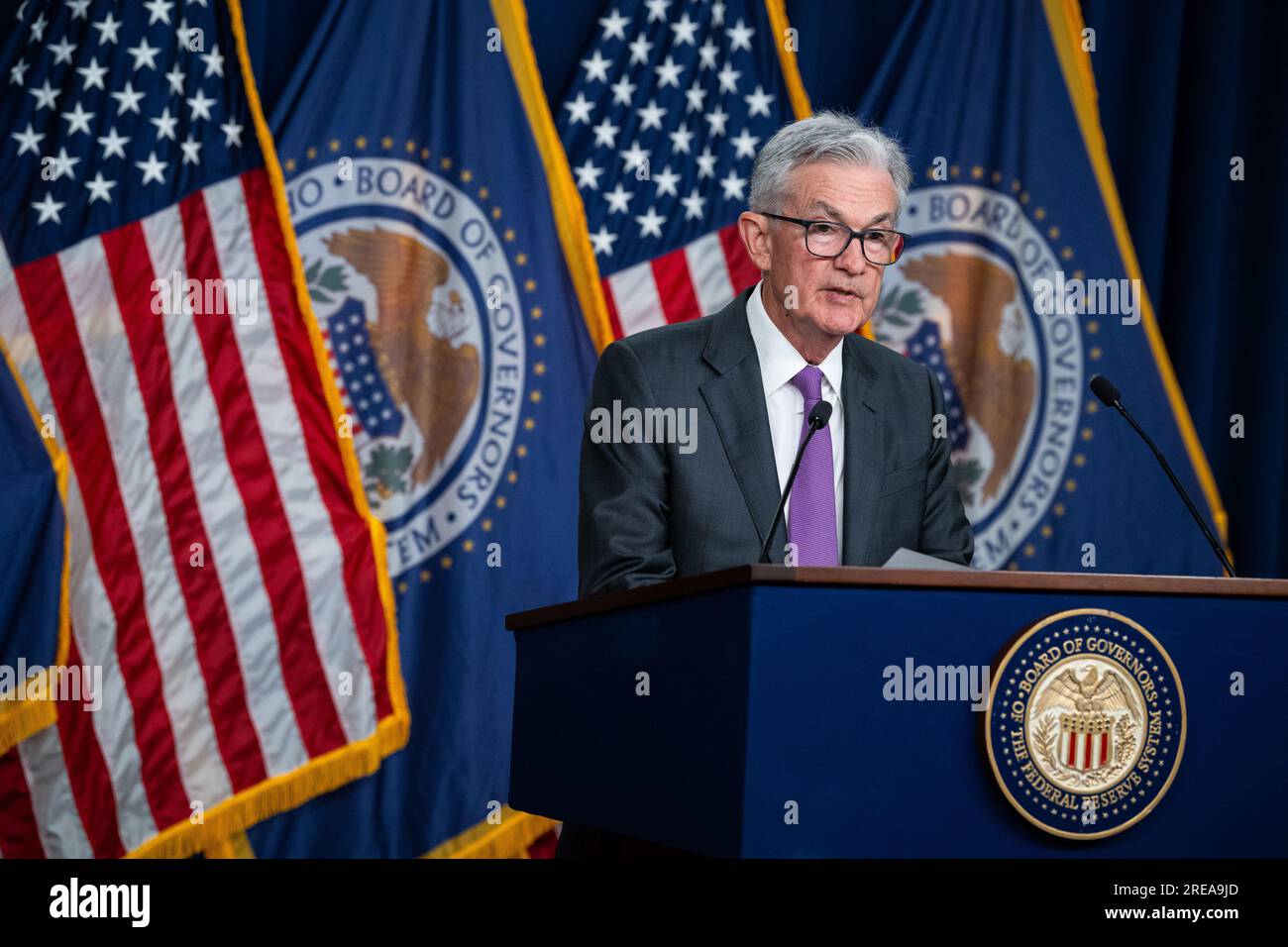
CNBC reported that Warsh, confirmed as Fed chair in April 2026, is likely to withhold his “dot” — a projection of future interest rates — in the Federal Open Market Committee’s (FOMC) June 2026 meeting. This would break from the post-financial crisis norm of using the “dot plot” to guide market expectations. “It seems to me fairly likely that he doesn’t want to submit a rate forecast,” said Bill English, a former Fed official and Yale professor, citing Warsh’s skepticism of forward guidance.
USA Today, meanwhile, framed the issue as a broader test of the Fed’s independence from political pressure. The outlet noted that economists expect the federal funds rate to remain unchanged at 3.5%-3.75%, despite President Donald Trump’s calls for cuts. “Will the Fed remain guided by data and discipline, or will it yield to political pressure?” asked Jacob Robbins, an economics professor at the University of Illinois at Chicago.
Warsh’s Critique of Forward Guidance
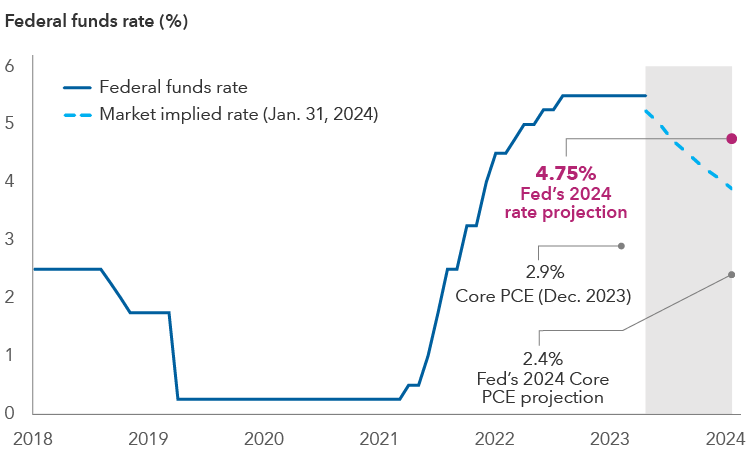
Warsh has long criticized the Fed’s use of the “dot plot” and other forward guidance tools, arguing they limit flexibility. During his April 2026 confirmation hearing, he cited the central bank’s 2021-22 “transitory” inflation call as a key example of overcommunication leading to errors. “The Fed tells the whole world what their dots are going to be… I think these are big changes that are needed,” he said.
This stance aligns with Bank of America economist Aditya Bhave, who expects Warsh to skip the dot. Goldman Sachs’ David Mericle added, “We assume that Warsh will not submit dots in light of his past criticism of forward guidance, but we are not sure.”
Market Reactions and Institutional Risks
The potential absence of Warsh’s dot has sparked debate among economists. Liz Ann Sonders of Charles Schwab noted, “To me it never made a lot of sense that [the SEP] at times was market moving, because its accuracy has been at best middling.” However, she warned that without the dot plot, the Fed risks losing a key communication tool.
Claudia Sahm, an economist, cautioned that Warsh’s decision could send “the wrong message to markets,” suggesting investors might interpret it as a reluctance to engage with public expectations. “It could be an effective first step for a central bank leader who has vowed fundamental changes,” said English, balancing the risks and potential benefits.
The Broader Implications for Monetary Policy
Warsh’s approach reflects a broader shift in central banking philosophy. The Summary of Economic Projections (SEP), which includes the dot plot, has been a cornerstone of post-2008 policy transparency. By sidelining it, Warsh may be signaling a move toward more discretion, a departure from the “data-dependent” approach that defined previous chairs.
However, this could create uncertainty. The Fed’s 2026 meeting, scheduled for June 17, will mark its first test under Warsh’s leadership. USA Today highlighted that the central bank faces pressure to balance inflation control with economic growth, as job gains and rising prices complicate its mandate.
What Comes Next?
The Fed’s upcoming rate decision, set for 2 p.m. ET on June 17, will be a critical moment. While the federal funds rate is expected to hold, the absence of Warsh’s dot could alter market dynamics. Analysts like Sonders argue that investors may need to “learn to live without it,” but the long-term impact on policy clarity remains unclear.
For now, the focus is on how Warsh navigates this uncharted territory. As English noted, “Declining to submit a dot would counter some 14 years of post-financial crisis practice… but also could be an effective first step for a central bank leader who has vowed fundamental changes.”
CNBC and USA Today provided the foundational reporting for this analysis.
Find more reporting in our News section.