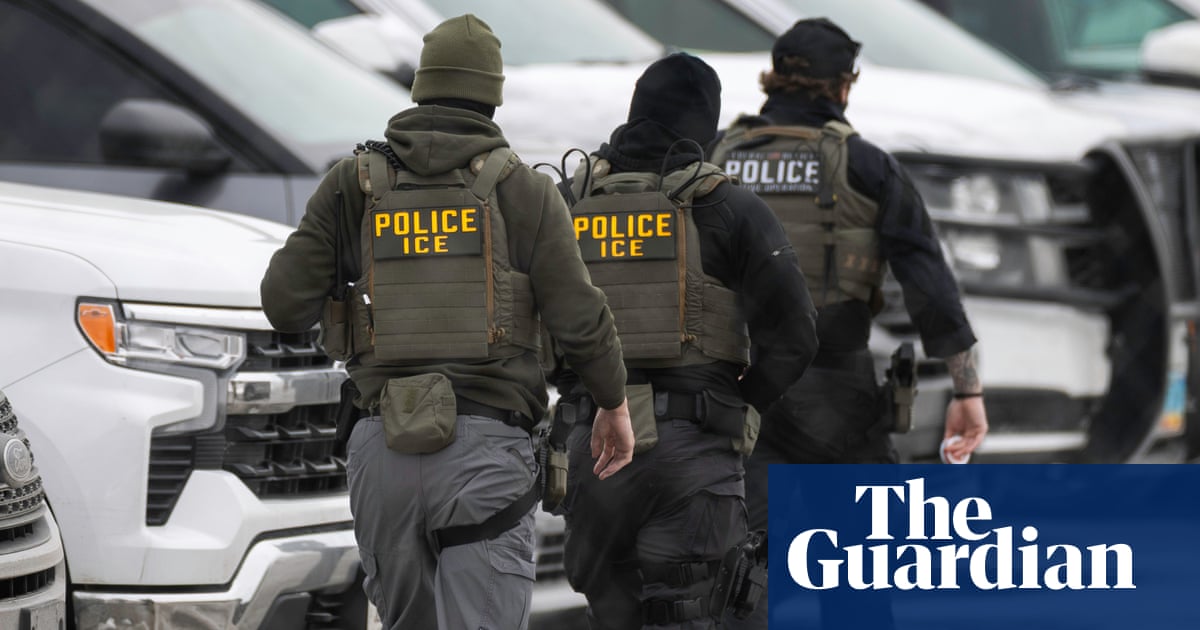
Federal prosecutors in Minnesota charged 15 people on Tuesday with conspiring to impede immigration enforcement agents during a high-profile crackdown in early 2026, marking the latest escalation in a clash between activists and federal authorities over immigration policy. The indictment, announced by U.S. Attorney Daniel N. Rosen, targets members of two Minneapolis-based groups—Direct Action Minnesota and the Black Cat Worker’s Collective—alleging they coordinated surveillance, blockades, and direct attacks on agents during Operation Metro Surge, a Trump administration initiative that resulted in over 4,000 arrests. Protesters outside the courthouse in St. Paul were met with pepper spray from federal officers as they attempted to block the proceedings, while legal experts called the charges “political retribution.”
Who Was Charged and What Are the Allegations?
Twelve of the 15 defendants were arrested Tuesday, with one already in custody on unrelated charges and two still at large, according to the AP. The charges stem from a months-long investigation into “violently opposed the enforcement of federal law,” as Rosen put it, framing the groups as part of the broader “antifa” movement—a label the Trump administration has used to justify designating the decentralized activist network as a domestic terror threat. The indictment details allegations of stalking ICE agents, throwing ice blocks at their vehicles, and setting up blockades around federal buildings, though Rosen declined to say whether any agents were injured.

The Guardian reported that prosecutors highlighted social media posts and videos depicting defendants openly discussing armed confrontation and “becoming ungovernable,” language that resonates with antifa’s decentralized tactics. One defendant was shown in a video declaring affiliation with antifa and advocating for bringing guns to demonstrations. The charges include conspiracy to impede federal officers, interstate stalking, destruction of government property, and assault on a federal officer—though the indictment does not allege physical harm to agents.
- Conspiracy to impede federal officers: Coordinated efforts to disrupt ICE operations, including surveillance and operational planning.
- Interstate stalking: Tracking and harassing ICE agents across state lines.
- Destruction of government property: Throwing ice blocks at vehicles, knocking notes from agents’ hands, and kicking federal vehicles.
- Assault on a federal officer: Physical confrontations during protests.
The Context: Operation Metro Surge and Minnesota’s Immigration Crackdown
Operation Metro Surge, launched in late 2025, sent thousands of federal agents to Minnesota under the guise of combating fraud within the Somali community—a claim that drew immediate backlash from activists, legal observers, and even some local officials. The operation led to over 4,000 arrests, according to the AP, but also to two deaths: Renee Good and Alex Pretti, killed by agents in the streets. The agents responsible for those killings have not faced charges, a fact that has fueled protests and accusations of impunity.
For more on this story, see 15 Charged in $90M Minnesota Medicaid Fraud Targeting Autism Therapy Programs.
The crackdown triggered a rapid mobilization of local activists, who used encrypted Signal chats to track ICE agents and coordinate protests. Whistles and car horns became tools to alert communities to detentions in real time, creating a network of resistance that prosecutors now argue crossed the line into criminal conspiracy. The Guardian noted that the U.S. Attorney’s office has dropped 18 of its 36 prior cases related to the crackdown, including one where a judge called a charging document a “false affidavit”—raising questions about the reliability of the current indictments.
Protesters Call the Charges “Political Retribution”
Outside the federal courthouse in St. Paul, protesters carried signs reading “stop FBI entrapment” and “protesting is not a crime,” with legal experts framing the charges as an attempt to silence dissent. Bruce Nestor, a former president of the National Lawyers Guild, told the crowd: “What’s wrong with being ungovernable?” His comments echo broader concerns that the Trump administration is weaponizing legal tools to target activists under the guise of national security.
The Guardian reported that Rosen declined to address whether the charges were politically motivated, instead emphasizing that “the evidence will prove it all out.” However, the timing—just weeks after the Trump administration labeled antifa a domestic terror organization—has intensified scrutiny. Critics argue the indictments are part of a broader pattern of criminalizing protest, particularly against immigration enforcement.
What Happens Next? The Legal and Political Fallout
The defendants’ initial appearances in St. Paul on Tuesday were met with clashes, as protesters attempted to block the courthouse door and federal officers deployed pepper spray. Legal observers are watching closely to see if the cases hold up in court, given the U.S. Attorney’s office’s history of dropping charges in similar matters. The AP noted that Rosen’s office has faced skepticism over its handling of prior cases, including the “false affidavit” incident.
If the charges proceed, the trial could set a precedent for how federal prosecutors treat protests against immigration enforcement—particularly in states with progressive leadership like Minnesota, where Gov. Tim Walz and Attorney General Keith Ellison have publicly criticized the crackdown. The case also raises questions about the Trump administration’s broader strategy of labeling activist movements as domestic threats, a tactic that legal scholars warn could erode civil liberties.
For now, the protests continue. As one defendant’s social media post—cited by prosecutors—declared, the movement aims to “become ungovernable.” Whether that vision holds or whether the legal system will impose new boundaries remains to be seen.
The Bigger Picture: Antifa, Immigration Enforcement, and the Politics of Dissent
The Minnesota indictments come as the Trump administration doubles down on its designation of antifa as a domestic terror organization—a move that has drawn sharp criticism from civil liberties groups. While antifa is not a centralized group, its decentralized nature makes it difficult to prosecute as a single entity, yet prosecutors are attempting to do just that by targeting specific networks like Direct Action Minnesota.
This follows our earlier report, Google Engineer Charged With $1.2M Insider Trading Scheme on Polymarket.
The Guardian highlighted that Rosen avoided defining “antifa” during the press conference, instead focusing on the alleged actions of the defendants. This ambiguity could weaken the case if courts determine that the charges are too broadly applied. Meanwhile, the AP pointed out that the Trump administration’s own track record on antifa-related prosecutions is mixed, with some cases collapsing under legal scrutiny.
What is clear is that the clash between activists and federal agents in Minnesota is far from over. The charges against the 15 defendants mark a new phase in a conflict that has already claimed lives, sparked protests, and forced communities to confront the limits of civil disobedience in the face of aggressive immigration enforcement.
As Rosen put it in his press conference: “They’ll be held accountable. Justice is coming.” Whether that justice is fair—or simply another chapter in a politically charged crackdown—remains the question.
Find more reporting in our News section.
