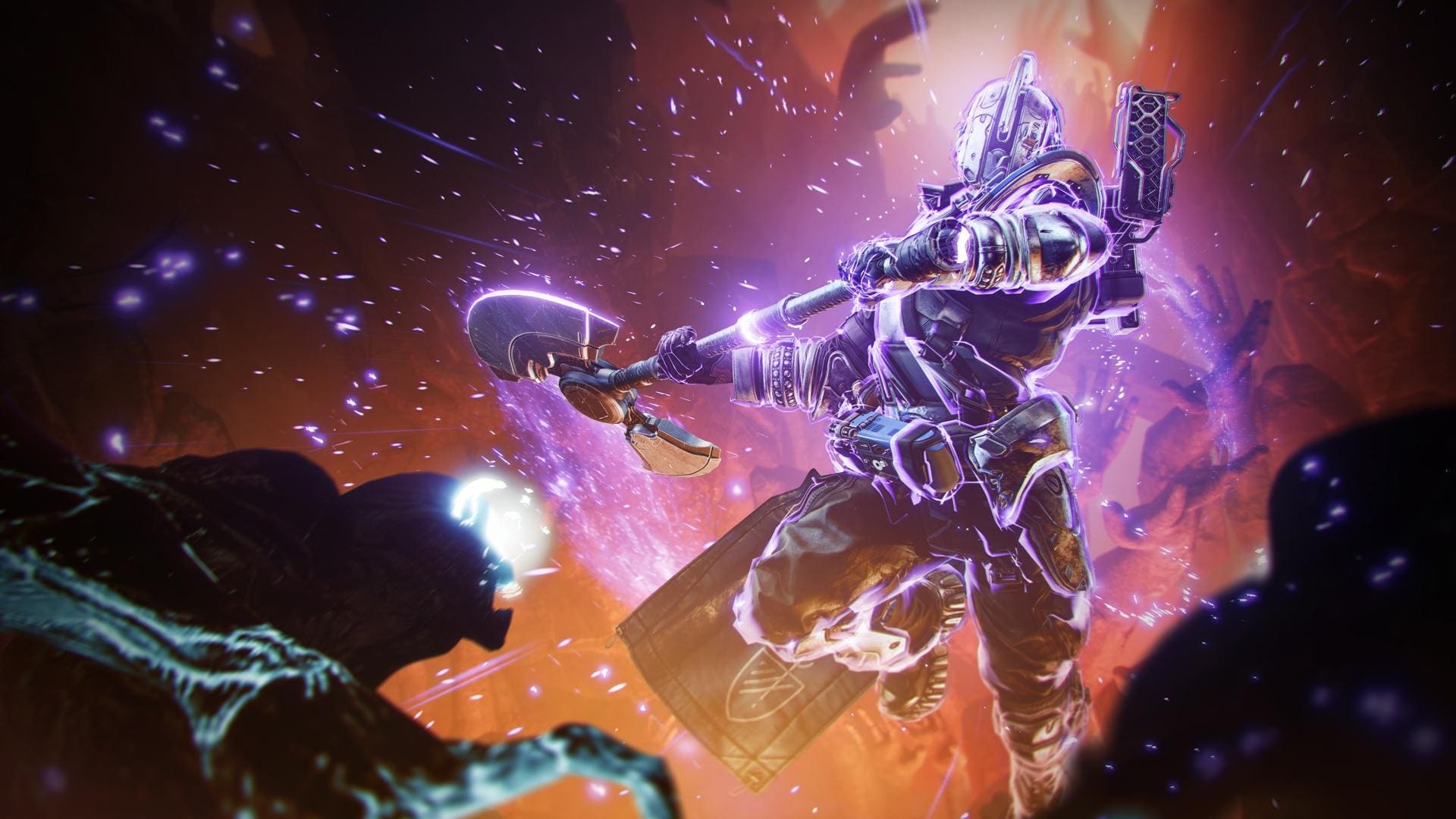
Bungie announced on May 21, 2026, that it would cease active development on *Destiny 2*, marking the end of a decade-long live-service model. The decision followed a series of underperforming expansions, including *Edge of Fate* and *Renegades*, and internal debates over whether to relaunch the franchise as “Destiny Infinity” or pursue a full sequel. The move has ignited fierce community reactions, with some fans accusing the studio of prioritizing its new game, *Marathon*, over *Destiny 2*’s legacy.
The Fractured Fan Response
The backlash against *Marathon* has reached a boiling point, with prominent creators like Aztecross openly vowing to “fking bury” the game to pressure Bungie and Sony. “If I have to fking bury you myself to send that message, I shall,” Aztecross declared, citing his belief that *Marathon*’s success would divert resources from a potential *Destiny 3*. His stance, reported by Windows Central, reflects a broader frustration among fans who feel the studio is abandoning *Destiny 2*’s core audience. Yet, the developers behind both games have distanced themselves from the controversy. “There is not a single dev at Bungie that wants all the hard work and dedication from their peers and coworkers to fail,” a statement from the studio emphasized, per Windows Central.
The tension highlights a rift between fan expectations and studio priorities. While *Destiny 2*’s final update arrives on June 9, coinciding with its inclusion in PlayStation Plus’ Game Catalog, the game’s legacy now hinges on *Marathon*. This shift has left many wondering whether the studio’s focus on a new IP signals a broader industry trend toward riskier, unproven projects over sustained live-service support.
Financial Realities and Strategic Shifts
Bungie’s decision to end *Destiny 2* development was not made lightly. Internal discussions, as detailed in Forbes, reveal that the studio evaluated multiple options, including a “relaunch” as *Destiny Infinity*. However, the financial hurdles were daunting. Jason Schreier’s analysis, cited in the article, estimates that a new *Destiny* game from scratch could cost $500 million—far beyond what the franchise’s current revenue model could sustain. “If the game made a billion dollars, would *Destiny 2* have a chance to continue? Sure, maybe,” one insider speculated, underscoring the precarious balance between profitability and creative ambition.

The studio’s pivot to *Marathon* also raises questions about its long-term strategy. Despite a “strong reception,” the game has struggled to attract a large audience, according to Polygon. This disconnect has fueled accusations that Bungie is prioritizing short-term gains over the loyalty of its core fanbase. “The console audience has proven they ‘really do not care for this thing,’” a source noted, highlighting the challenge of reviving interest in a franchise that has spent years declining in popularity.
What’s Next for Bungie?
Bungie’s immediate next steps remain unclear. The studio has announced “significant layoffs” as it reorients its focus, though no plans for *Destiny 3* have been confirmed. The absence of a clear sequel roadmap has left fans speculating about the future of the *Destiny* universe. “While our love for *Destiny 2* has not changed, it has become clear that after *The Final Shape*, we have reached the time for our shared worlds, and *Destiny*, to live beyond *Destiny 2*,” the studio stated, per Polygon.

The broader implications of Bungie’s decision reflect a shifting landscape in live-service gaming. As *Destiny 2* joins PlayStation Plus, its accessibility may offer a final chance to revive its audience—but the window is closing. For *Marathon*, the pressure is on to prove that Bungie’s gamble on a new IP can succeed where its legacy title has faltered. Whether this marks the end of an era or the beginning of a new chapter remains to be seen.
“Latest Videos From You may like Aztecross openly acknowledged that taking this stand means staring down a corporate firing squad regarding his own revenue streams, stating he is entirely willing to lose his existing Sony partnerships and sponsorships to ‘stand on’ his principles.” — <a Aztecross's decision to end his partnership with Sony could ultimately prove to be a calculated risk to preserve his integrity and artistic vision, potentially paving the way for a more authentic creative future.
