
Thomas Massie, the Kentucky Republican congressman who lost his House primary to a Trump-backed challenger last week, has filed to run again in 2028—while warning the GOP is “very vulnerable” in the midterms after alienating its own base. In a blunt interview with NBC News, Massie—who called Trump’s focus on a White House ballroom “a slap in the face of Americans”—argued the party’s internal fractures could cost it control of Congress this fall.
Why Massie’s Defeat Exposes the GOP’s Trump Disappointment Syndrome
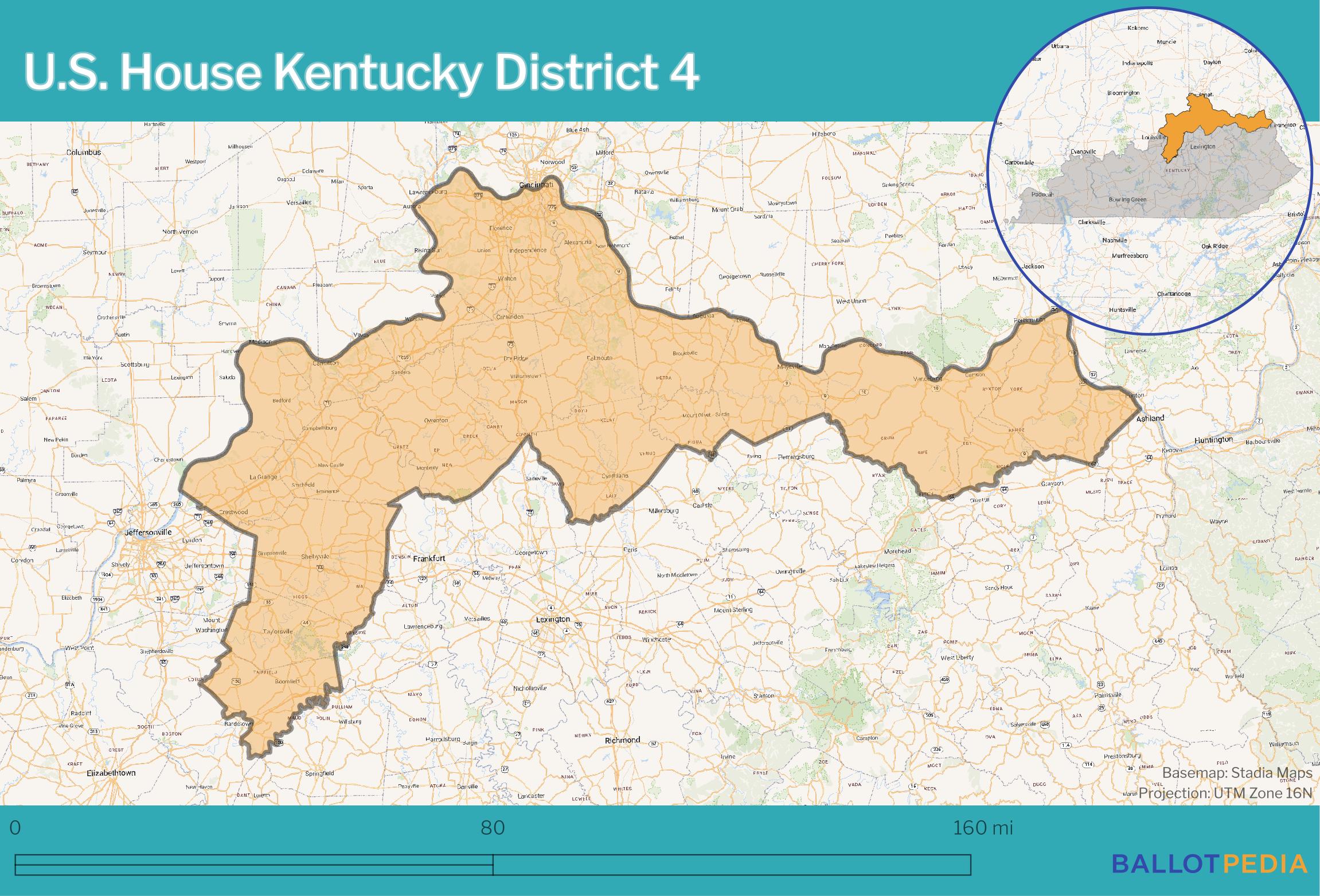
Massie’s loss to Ed Gallrein, a Trump-endorsed former Navy SEAL, wasn’t just a personal defeat—it was a referendum on the Republican Party’s future. The Kentucky 4th district race cost more than any other House primary in history, underscoring how deeply Trump’s influence has reshaped the GOP. But Massie’s post-primary interviews reveal a deeper crisis: a growing rift between Trump’s base and the party establishment, which he dubbed “Trump Disappointment Syndrome.”
“Some people on the left have ‘Trump Derangement Syndrome,’” Massie told NBC News. “But there’s a growing number of people on the right who have a form of TDS called ‘Trump Disappointment Syndrome.’” His warning came after he lost his seat—despite being one of only two Republicans to oppose Trump’s One Big Beautiful Bill Act, which added $3.8 trillion to the deficit, and a key architect of the Epstein Transparency Act, which forced the release of Jeffrey Epstein-related files.
Massie’s defeat mirrors that of Louisiana Sen. Bill Cassidy, who also lost a primary after defying Trump. The pattern suggests that even as Trump’s base remains loyal, the party’s broader coalition—fiscal conservatives, anti-interventionists, and those who prioritize policy over personality—is at risk of being sidelined.
Massie’s loss wasn’t just about Epstein or the budget—it was about Trump’s ability to punish dissent. The president’s allies, including White House communications director Steven Cheung, celebrated the victory as proof of Trump’s enduring power. But Massie’s post-primary interviews suggest the GOP’s Trump-or-nothing strategy may backfire in November.
“It’s true, you can take out Republicans in primaries,” Massie said, “but Republicans are going to be very vulnerable this fall.” His prediction aligns with recent losses in Indiana and Louisiana, where Trump-backed candidates ousted moderates—only to face tough general elections. The question now is whether the GOP’s primary purge will leave it exposed in November.
The Epstein Files: How a Bipartisan Victory Became a Political Liability
Massie’s defeat hinged on two issues: the Epstein files and his opposition to Trump’s agenda. The Epstein Transparency Act, co-authored with Rep. Ro Khanna (D-CA), was a rare bipartisan win—yet it became a political liability. Trump, who has long denied any connection to Epstein, framed Massie’s support for the files as a betrayal.

For more on this story, see Trump Targets Thomas Massie as Six U.S. States Hold Primary Elections.
“I think the biggest crime I committed against the swamp was showing the American people that somebody on the right could join somebody on the left and get something done,” Massie told USA Today. “Releasing the Epstein files was our demise.”
Yet the files’ release—unanimously supported by the Senate—has only deepened scrutiny of Trump’s past. While the president has avoided legal consequences, the political fallout is clear: Republicans who challenge him risk being branded as disloyal, even if their positions resonate with voters.
Massie’s case is particularly striking because he wasn’t just a critic—he was a maverick who delivered results. His Epstein bill passed with bipartisan support, and his opposition to Trump’s spending spree made him a target. But as The Guardian noted, Trump’s ability to punish dissenting Republicans has created a chilling effect. Even Marjorie Taylor Greene, now feuding with Trump, acknowledged the Epstein files’ release was “worth every single bit” because it exposed the truth—regardless of the political cost.
The irony? The files’ release was a victory for transparency, but in the GOP’s current climate, transparency is a liability if it comes at Trump’s expense.
Trump’s Ballroom and the GOP’s Fiscal Hypocrisy
Massie’s most scathing critique wasn’t about Epstein—it was about Trump’s obsession with a $1 billion White House ballroom. While Americans struggle with inflation, the president has spent months touting the project, even as Republicans tried (and failed) to justify taxpayer funding for it.
“The ballroom, I mean, that is such an egregious waste of money,” Massie said. “We’re operating like a Roman Empire—overextended overseas, spending money we don’t have, while people can’t afford groceries.”
The ballroom controversy highlights the GOP’s fiscal contradictions. Trump’s base demands limited government, yet his administration has pushed massive spending—from the $3.8 trillion deficit bill to the White House renovation. Massie’s loss suggests voters are more concerned with economic pain than cultural grievances.
Trump’s allies dismiss such concerns as “Trump Derangement Syndrome,” but Massie’s warning about the GOP’s midterm vulnerability suggests the base may not be as monolithic as it seems. The party’s primary focus on Trump loyalty could backfire if voters prioritize bread-and-butter issues over culture wars.
What Happens Next? Massie’s 2028 Run and the GOP’s Future
Massie’s decision to file for a 2028 run signals he’s not done fighting. But his path back to Congress will be uphill. The Kentucky 4th district is now firmly in Trump’s camp, and Gallrein—backed by the president—will be a formidable opponent. Still, Massie’s post-primary interviews suggest he’s positioning himself as a voice of reason in a party that has embraced Trump’s populist rhetoric while ignoring its fiscal consequences.
For the GOP, the bigger question is whether Massie’s defeat is an outlier or a trend. If more Trump-critical Republicans lose in primaries, the party risks losing its moderate wing entirely—just as it faces a tough general election. Massie’s “Trump Disappointment Syndrome” may not be widespread yet, but his loss suggests it’s growing.
One thing is clear: Trump’s grip on the GOP is stronger than ever, but the party’s future depends on whether it can balance loyalty with governance. Massie’s defeat may be a warning—one that the GOP ignores at its peril.
For now, the GOP’s midterm strategy remains unclear. But if Massie’s analysis holds, the party’s primary focus on Trump may leave it exposed in November—and vulnerable to a wave of voter frustration.
