DHS mandates body cameras for all ICE arrest teams after fatal shootings
The Department of Homeland Security now requires at least one officer per ICE arrest team to wear a body camera after fatal shootings in Texas and Maine.
- Headline Dispatch: DHS mandates body cameras for all ICE arrest teams after fatal shootings
- Core Takeaway: The Department of Homeland Security now requires at least one officer per ICE arrest team to wear a body camera after fatal shootings in Texas and Maine.
- Source Synthesis: Continuous live monitoring aggregated across major news wires and independent bureaus.
DHS Mandates Body Cameras for All ICE Arrest Teams After Fatal Shootings
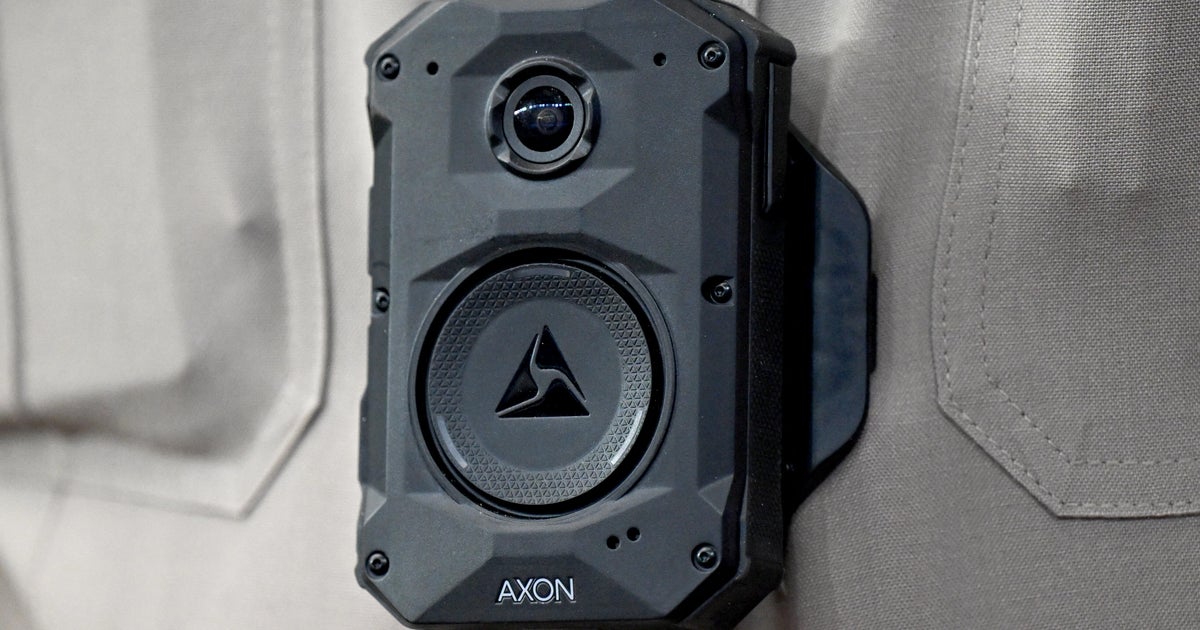
The Department of Homeland Security (DHS) announced Tuesday, July 14, that every U.S. Immigration and Customs Enforcement (ICE) arrest team must now include at least one law enforcement officer equipped with a body-worn camera. The mandate follows two fatal shootings in which the agents involved were not wearing the devices.
The policy change comes after the deaths of Lorenzo Salgado Araujo, a 52-year-old Mexican construction worker and father of three U.S. Citizens, who was shot by an ICE agent in Houston on July 7. Six days later, on July 13, an agent fatally shot 26-year-old Colombian national Joan Sebastian Guerrero (referred to by some sources as Tomas Espin Tapia) in Biddeford, Maine.
DHS acknowledged that neither man was the intended target of the respective immigration operations, though officials stated both were in the U.S. Illegally. Both incidents occurred during attempted vehicle stops. In Houston, DHS accused Salgado Araujo of weaponizing
his vehicle in an attempt to run over an agent, a claim disputed by witnesses in the car and the man's family. In Maine, Secretary Markwayne Mullin initially said Guerrero weaponized
his vehicle, though ICE later told USA TODAY the agent fired because Guerrero attempted to flee and the agent feared for public safety
.
DHS officials defended the slow rollout of the technology by blaming back-to-back Democrat shutdowns
and a monthslong lapse in funding earlier this year. However, the agency's explanation has faced sharp criticism from lawmakers and researchers. Rep. Sylvia Garcia, a Democrat from the Houston area, called the shutdown excuse ludicrous
, noting that Congress approved $20 million in extra funding for DHS body cameras in April. David Hernandez, a researcher at Mount Holyoke College, called the DHS explanation a total lie
, stating that ICE continued to function during the shutdown and had already been allocated $75 billion.
The department maintains that body cameras are a top priority
to combat smears
from the media and sanctuary politicians
and to address an increase in assaults against agents. DHS reported on July 14 that more than half of ICE field offices have received cameras, with the remaining offices expected to receive them within 60 days. Acting ICE Director David Venturella reportedly assured Rep. Garcia that all agents in the field would have access to the devices by the end of July.
This current rollout follows a turbulent history of body camera implementation within the agency:
- January 2024: ICE implemented a policy requiring most officers to wear cameras during enforcement activities.
- January 2025: President Donald Trump rescinded the directive from his predecessor.
- February 2026: Following the January deaths of U.S. Citizens Renee Good and Alex Pretti in Minneapolis—whom DHS described as
domestic terrorists
despite contradicting bystander video—then-Secretary Kristi Noem pledged torapidly acquire and deploy
cameras. - March 2026: Former acting ICE chief Todd Lyons told Congress that fewer than a quarter of officers (roughly 3,000 out of 13,000) were using body cameras.
The lack of video evidence has also created friction in the judiciary. In Chicago, U.S. District Judge Sara Ellis ordered federal officers to wear cameras last October following reports of aggressive tactics against protesters; however, local activists report the order was not enforced. Conversely, body camera footage has occasionally led to the dismissal of charges. In the case of Marimar Martinez, who was shot by Border Patrol agent Charles Exum on October 4, footage from another officer showed Exum veer into Martinez and shoot her, contradicting official claims that she rammed the agent.
In addition to the camera mandate, multiple sources report that ICE agents have been instructed to immediately suspend most vehicle stops during enforcement operations nationwide, except for those involving serious criminal targets. This temporary pause is intended to allow officers to receive more training.
The DHS plans to use the $20 million provided by Congress to purchase more than 5,000 body-worn cameras.
How significant is this development?
Participate in our community survey on the trajectory and real-world impact of this news.