PM Narendra Modi launches 100-week nationwide campaign against drug abuse
The 'Nasha Mukt Yuva for Viksit Bharat Sankalp Abhiyan' is a nationwide campaign engaging over one crore youth to combat substance abuse through community action.
- Headline Dispatch: PM Narendra Modi launches 100-week nationwide campaign against drug abuse
- Core Takeaway: The 'Nasha Mukt Yuva for Viksit Bharat Sankalp Abhiyan' is a nationwide campaign engaging over one crore youth to combat substance abuse through community action.
- Source Synthesis: Continuous live monitoring aggregated across major news wires and independent bureaus.
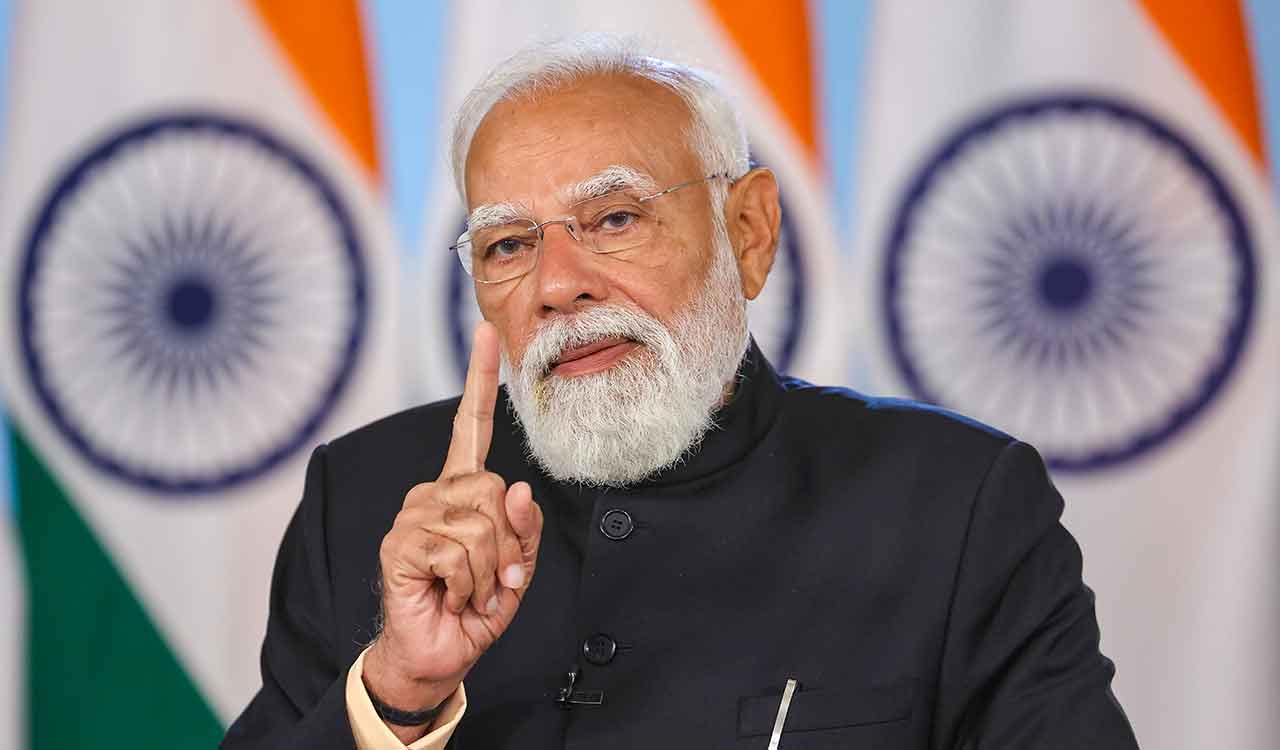
PM Narendra Modi launches 100-week nationwide campaign against drug abuse
Prime Minister Narendra Modi virtually launched the ‘Nasha Mukt Yuva for Viksit Bharat Sankalp Abhiyan’ from New Delhi on Sunday, August 2, 2026. The initiative begins a 100-week nationwide Jan Bhagidari campaign designed to combat substance abuse among the youth to ensure they remain physically and mentally fit as India moves toward the goal of becoming a developed India.
The campaign, themed GenZ Against Addiction, Nasha Mukt Yuva for Viksit Bharat- Sankalp Abhiyan
, seeks to inspire young people to avoid drugs and serve as ambassadors for positive social change. This effort follows the Nasha Mukt Bharat Abhiyaan launched in 2020, according to Union Minister for Sports and Youth Affairs Mansukh Mandaviya.
The launch event drew more than one crore youth from 28 thousand locations across the country. Participants included state Chief Ministers, Governors, National Service Scheme and MY Bharat volunteers, and representatives from youth clubs, spiritual organisations, NGOs, schools, and universities. Other government data indicates participation from over 10,000 locations, including more than 125 partner spiritual organisations and youth wings of industry associations.
To promote awareness, the government will organise activities every Sunday. These events will include:
- Meditation sessions and walkathons
- Sports events and cultural programmes
- Nukkad nataks and awareness campaigns
- Discussion forums and community engagement programmes
- Art competitions
The initiative also features district-level competitions in categories such as mime acts, painting, debate, slogan writing, folk songs, and short films or reels. Winners of these contests will advance to state-level competitions. The Ministry of Youth Affairs and Sports stated that the campaign will culminate in the National Nasha Mukti Youth Conclave, proposed for August 14, 2026, in New Delhi, to recognise outstanding performers.
During the launch, Mr Modi stated that addiction weakens the strength of the nation and destroys families, while diverting individuals from their goals and dreams. He noted that drugs ruin careers and disrupt family life.
The Prime Minister addressed the social stigma surrounding substance abuse, urging families not to hide such cases. He encouraged open communication, the consultation of experts, and the use of medical support to aid recovery. He specifically highlighted early warning signs for parents and guardians, including:
- Social isolation and unusual conduct
- Avoiding conversations
- Staying out late
- Frequently asking for money
Mr Modi also called on professors and teachers in universities, colleges, and schools to hold regular discussions about the dangers of drug abuse and organise campus awareness campaigns.
The Prime Minister connected the national project to a previous pilot project launched last year in Kashi. Speaking as the MP from Kashi, he said the initiative carries spiritual energy
and scientific clarity, noting that the Kashi Declaration provided a roadmap developed by NGOs and social organisations.
As part of the current rollout, youth are encouraged to take a Nasha Mukti Pledge. An e-Pledge campaign is currently available via the MY Bharat Portal. The government aims to unify educational institutions, civil society groups, industry bodies, and spiritual organisations on a common platform to create a collective movement.
The campaign comes shortly after Delhi and other regions experienced large-scale student protests demanding reforms in the public examination system. Those attending the virtual launch included youth identifying themselves as representatives of Gen-Z.
How significant is this development?
Participate in our community survey on the trajectory and real-world impact of this news.