Ramaphosa to align traditional leader pay with public servant benefits
President Cyril Ramaphosa has announced a progressive rollout to ensure South African traditional leaders receive salaries and benefits on par with other public servants.
- Headline Dispatch: Ramaphosa to align traditional leader pay with public servant benefits
- Core Takeaway: President Cyril Ramaphosa has announced a progressive rollout to ensure South African traditional leaders receive salaries and benefits on par with other public servants.
- Source Synthesis: Continuous live monitoring aggregated across major news wires and independent bureaus.
Ramaphosa to align traditional leader pay with public servant benefits
President Cyril Ramaphosa has announced that his administration is working to ensure all traditional leaders in South Africa receive salaries, allowances and medical benefits on par with other public servants. The president described the rollout as progressive, stating these measures will be introduced incrementally until they materialise for everyone
.
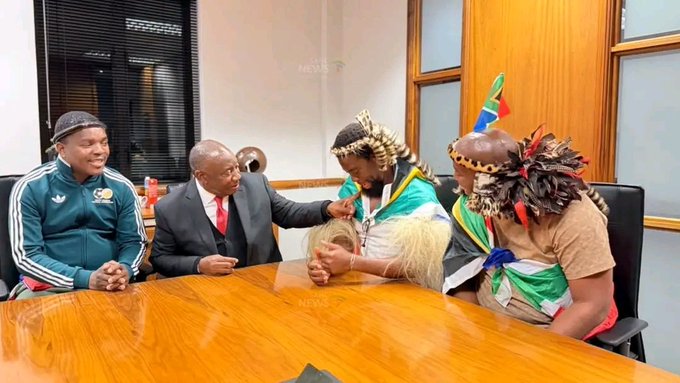
The commitment was made during a campaign visit to the Chris Hani region, where Ramaphosa led an ANC election and volunteer drive. This outreach included a meeting at Qamata Great Place in Cofimvaba with King Dalindyebo Matanzima, accompanied by Eastern Cape Chairperson Oscar Mabuyane. Ramaphosa framed the initiative as part of a broader effort to strengthen traditional leadership and restore these institutions with dignity and constitutional recognition, addressing the legacy of apartheid's interference.
According to Ramaphosa, salaries and welfare benefits for traditional leaders are determined through structured committees.
"We as government leaders, including kings and queens, and other traditional leaders we are all public servants. our salaries are determined by the structures, which determine our salaries. Even when it comes to medical aid benefits, there is a committee responsible for that,"
President Cyril Ramaphosa
The president further stated that the government wants everyone in these roles to receive a decent salary, including medical aid benefit, and a decent pension fund
.
Remuneration and Pay Increases
Recent salary adjustments for public office bearers have seen different categories of officials receive varying increases. According to the president, a 4.1% increase applies to traditional leaders, judges, magistrates and members of independent constitutional institutions. In contrast, members of the national executive, members of parliament, provincial executive councils and provincial legislatures received a top-up of 3.8%.
These adjustments, which take effect from April 1, 2025, followed recommendations from the Independent Commission for the Remuneration of Public Office-Bearers. The commission is mandated under the Constitution and the Independent Commission for the Remuneration of Public Office Bearers Act, 1997, to make annual recommendations on salaries, allowances and benefits.
The 4.1% increase for traditional leaders is retroactive to April 1, 2025. This follows a previous 2024 determination where traditional leaders and members of traditional houses received a 2.5% remuneration increase, which brought the salary of a king or queen to just under R1.4 million a year.
Other compensation details for traditional leaders include:
- Part-time members: Entitled to sitting allowances ranging from R1,415 to R2,028 per sitting.
- Additional costs: Traditional leaders are entitled to subsistence and transport costs for attending conferences, workshops, seminars and official meetings.
- Fringe benefits: Provided by respective provincial governments, though these differ by province.
Governance and Institutional Role
The Department of Cooperative Governance and Traditional Affairs (COGTA) oversees traditional affairs and supports the development of traditional communities. Traditional leaders act as service-delivery partners with provincial and local government, particularly in rural development strategies. The National House of Traditional Leaders (NHTL) serves as an advisory board to the national government.
While the NHTL operates nationally, provincial houses of traditional leaders exist in seven provinces: the Eastern Cape, Free State, KwaZulu-Natal, Limpopo, Mpumalanga and the North West. However, Gauteng and the Western Cape have no such entities.
The financial status of these leaders has drawn criticism. COSATU described the pay increases as shameful
and dangerously out of touch with ordinary South Africans
.
Political Context
This push to galvanize grassroots support among traditional leaders coincides with the ANC's preparations for upcoming elections. The party is currently finalizing the selection of mayoral candidates for key metros. Recent interviews for prospective mayoral candidates in the Western Cape were conducted by a panel, with further interviews taking place at Luthuli House.
How significant is this development?
Participate in our community survey on the trajectory and real-world impact of this news.