South Africa launches digital Smart ID applications at participating banks
The Department of Home Affairs has launched a digital gateway allowing citizens to apply for Smart IDs at participating bank branches without prior bookings.
- Headline Dispatch: South Africa launches digital Smart ID applications at participating banks
- Core Takeaway: The Department of Home Affairs has launched a digital gateway allowing citizens to apply for Smart IDs at participating bank branches without prior bookings.
- Source Synthesis: Continuous live monitoring aggregated across major news wires and independent bureaus.
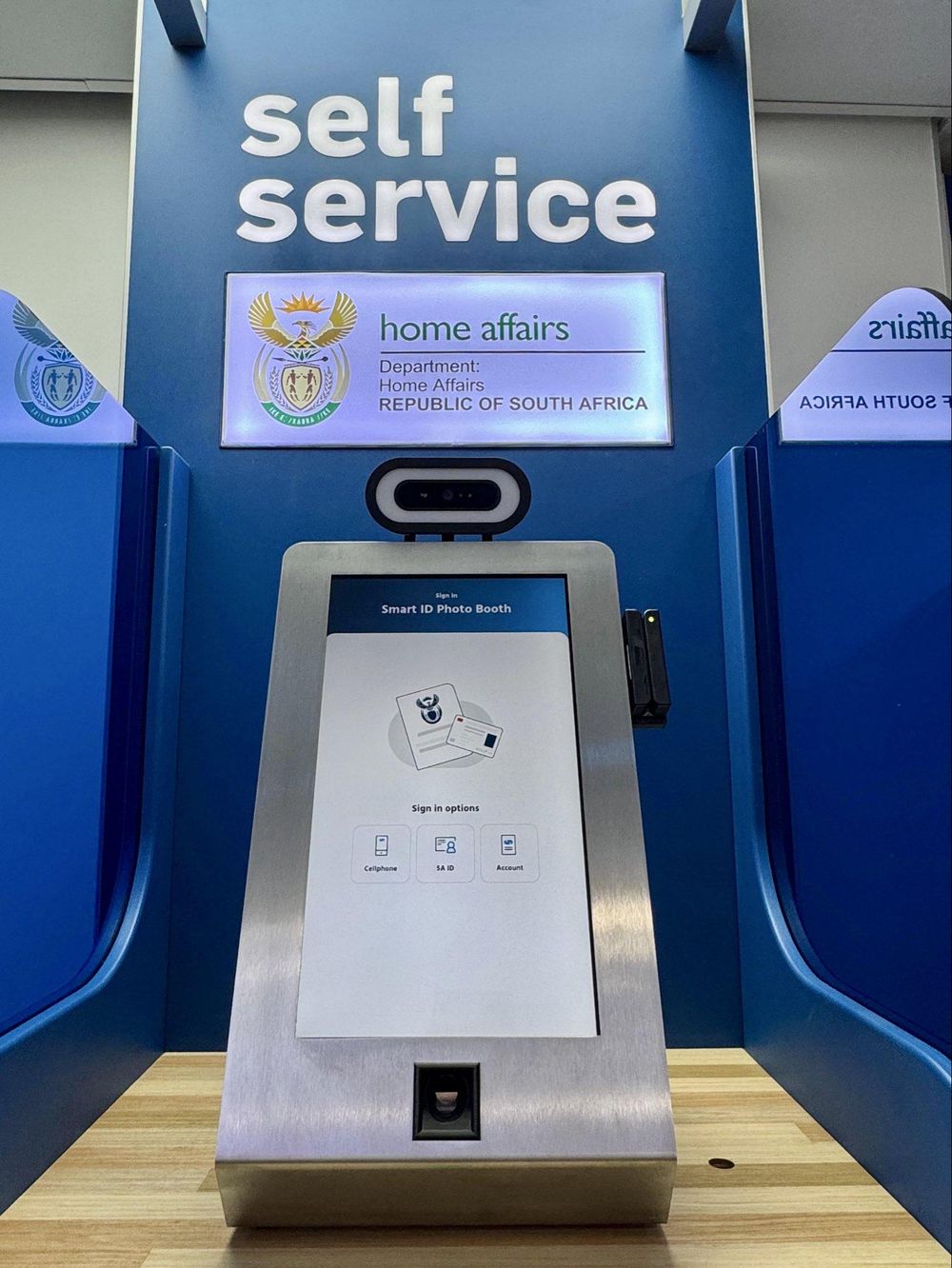
South Africa launches digital Smart ID applications at participating banks
South Africans can now bypass long queues at Home Affairs offices through a new digital partnership with local banks, allowing citizens to apply for Smart IDs at participating branches. The initiative, launched on Monday, March 10, 2026, decentralizes access by expanding secure service points across the country via a secure digital gateway.
Minister of Home Affairs Leon Schreiber announced that the service began at nine participating branches of Standard Bank and Capitec. This number is expected to increase to 17 by the end of the week. First National Bank is currently in a final testing phase, while other banks are preparing for rollout.
The new model differs significantly from the previous system. Previously, banks hosted miniature Home Affairs offices where clients used the eHomeAffairs platform and were required to make online bookings. Under the current digitalized system, banks connect directly to Home Affairs systems through an API-based Digital Gateway. This allows applications to be completed in five to 10 minutes within the bank's own service environment without paperwork or prior bookings.
"Today signifies by far the biggest milestone to date on our reform drive to deliver Home Affairs @home. By embracing digital transformation, we are redefining what public service delivery looks like in the modern age."
Leon Schreiber, Minister of Home Affairs, via The Star
The push for digital adoption is driven by security concerns. According to the department, approximately 16 million South Africans still use the green ID book, which is considered one of the most defrauded identity documents on the continent. Schreiber stated that accelerating the transition to Smart IDs is critical to protecting citizens from identity fraud and strengthening the national identity system.
Processing Times and Realistic Expectations
While the in-person biometric capture — including fingerprint scans and photos — takes between five and 10 minutes, the total turnaround time for receiving a card is longer. The Department of Home Affairs quotes 14 working days for straightforward applications, which typically translates to two to three weeks on the calendar. However, Standard Bank advises customers to allow up to four weeks due to potential system load and verification checks.
The timeline can vary based on the application type. First-time issues for 16-year-olds or simple upgrades from green books are generally the fastest. Conversely, applications involving name changes, status corrections, or replacements for lost or stolen IDs often require extra checks. If a record cannot be automatically matched, the file is sent for manual processing, which can extend the wait to several weeks or a few months.
Because Smart ID cards are printed centrally, they cannot be issued on the same day. For those requiring immediate identification, Home Affairs offers a Temporary Identification Certificate (TIC) over the counter for R70. The standard DHA application fee is R140, though it is free for first-time applicants aged 16.
Tracking and Next Steps
Applicants are notified via SMS when their cards are ready for collection. They can also track progress by sending ID
and their ID number to 32551 or by checking status online. Once notified, a collection appointment must be booked at the branch where the application was made.
The government plans to expand this digital partnership throughout 2026. Future additions to the service will include:
- First-time Smart ID applications
- Passport services
- Courier delivery
- Applications conducted directly through banking apps
This program is part of the department's Medium Term Development Plan. The goal is to extend the digital model to 1,000 bank branches by 2029.
How significant is this development?
Participate in our community survey on the trajectory and real-world impact of this news.