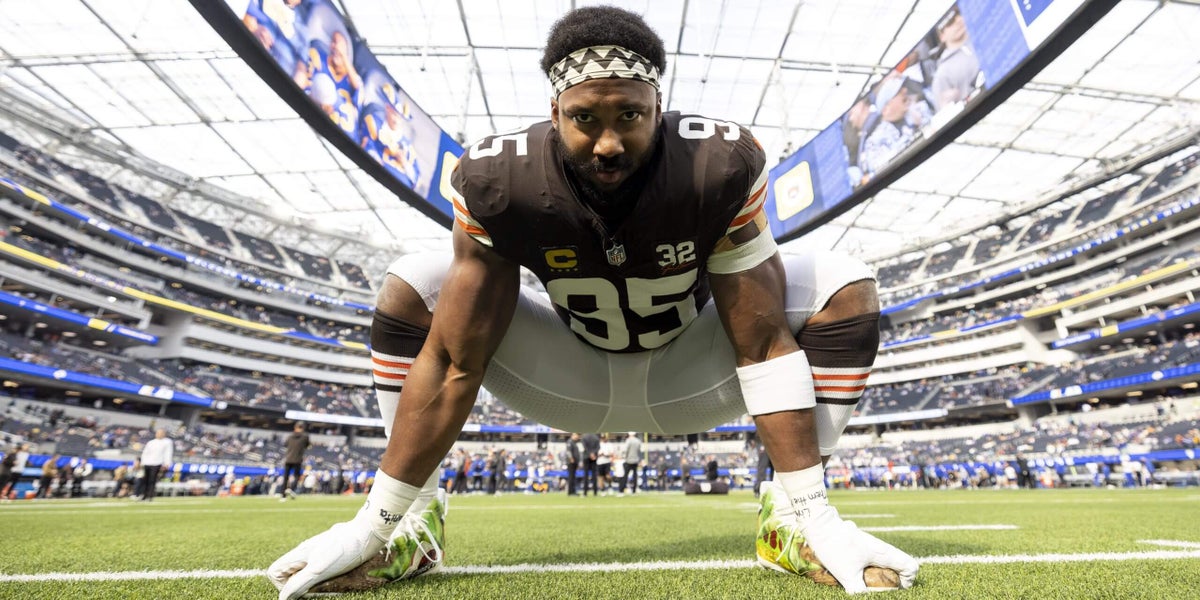
The Los Angeles Rams completed one of the most seismic trades in NFL history on June 2, 2026, acquiring reigning Defensive Player of the Year Myles Garrett from the Cleveland Browns in exchange for third-year pass rusher Jared Verse, a 2027 first-round pick, a 2028 second-rounder, and a 2029 third-rounder. The deal capped months of secret negotiations between Rams GM Les Snead and Browns GM Andrew Berry, reshaping the league’s power balance just as the Rams enter their title defense window.
How the Rams spent 10 months chasing Garrett
The trade wasn’t just the result of a single conversation or a weekend of negotiations. According to Rams GM Les Snead, the foundation for this blockbuster was laid as early as the offseason’s opening days, when he and head coach Sean McVay first discussed how to upgrade the Rams’ defense. But the real momentum began in March 2026, when the Browns restructured Garrett’s contract in a way that made him tradeable.
Snead wasted no time. He called Browns GM Andrew Berry immediately, not to make an offer, but to gauge Cleveland’s intentions. “When Cleveland made the adjustment to his contract, not sure if it was a signal, they made an adjustment,” Snead told reporters. “I’ve got a good relationship with Andrew Berry, thought I’d just check in.” What followed was months of what Snead described as “pestering” – starting as good-natured jokes, then evolving into serious discussions about football strategy and team-building priorities.
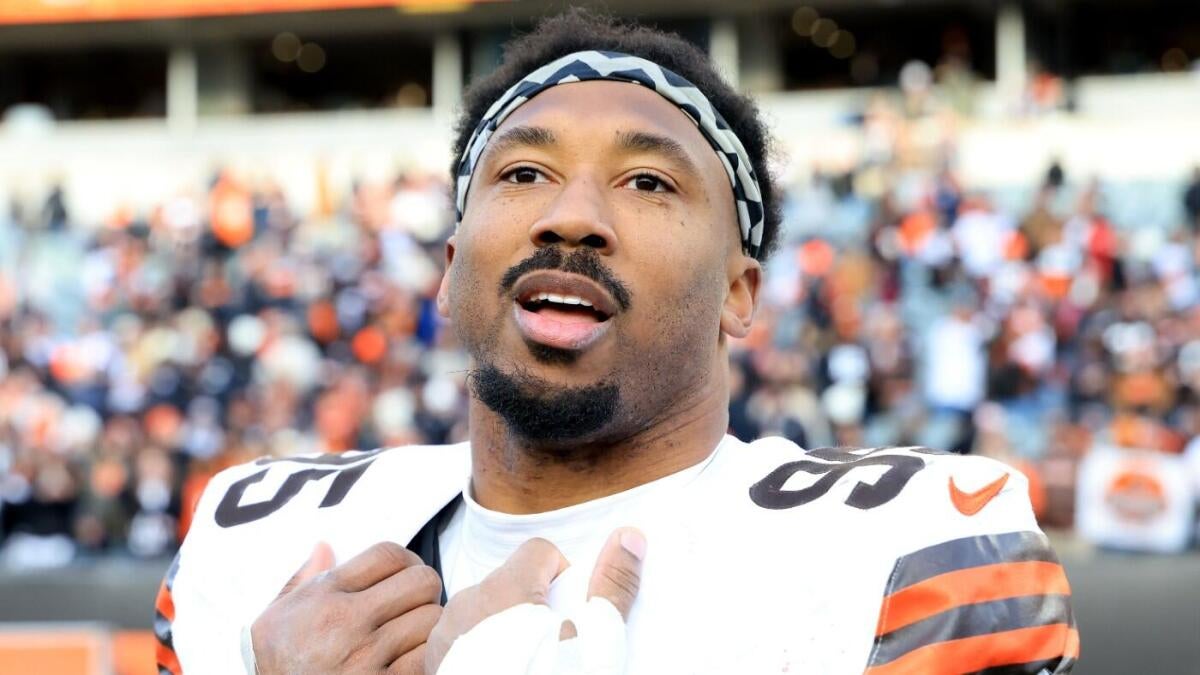
The Browns initially resisted, rejecting Rams’ offers of draft picks alone. But when Snead proposed including Jared Verse – the 2024 Defensive Rookie of the Year – the Browns became more receptive. The sticking point remained Verse himself: Cleveland wanted the young pass rusher, while the Rams viewed him as irreplaceable. “They asked for Jared Verse in return,” Snead recalled. “And similar to Cleveland at first, we were a no, based on all that Jared’s done for our organization.”
The back-and-forth continued through May, with both sides aware the June 1 trade deadline was approaching. Snead revealed he even considered Garrett’s no-trade clause early in the process: “I remember asking Andrew after about a month of talking, ‘Myles has a no-trade clause, are we going to have gone through all this and he’s going to say no?'” The answer came when Garrett agreed to the trade, removing the final obstacle.
“I didn’t f—ing sleep all week because of you.”
— Sean McVay to Myles Garrett, via The New York Times
The moment that changed everything
The trade’s origins trace back to a single moment during the 2023 season. After Cleveland’s loss to the Rams in what would become a pivotal game, Garrett walked through SoFi Stadium’s tunnels. That’s when Sean McVay’s SUV pulled up beside him. The coach’s blunt words – “I didn’t f—ing sleep all week because of you” – became legendary in Rams’ locker rooms. For Garrett, it represented more than just praise; it was a direct acknowledgment of his impact from the league’s most respected offensive mind.
That encounter took on new significance in 2026. The timing of Garrett’s trade couldn’t have been more perfect: his dissatisfaction with Cleveland’s direction, the Browns’ shift in team-building philosophy, and the Rams’ willingness to part with Verse all converged at the same moment. “The timing was impeccable,” Garrett told reporters in a private conversation, referencing that initial meeting with McVay.

For more on this story, see Rams land Myles Garrett in trade, shift to Super Bowl favorites.
What made this trade different from past blockbusters wasn’t just the player involved – though Garrett’s two Defensive Player of the Year awards and record 23 sacks in 2025 make him one of the most dominant pass rushers in NFL history. It was the confluence of factors that made this deal possible when so many others had failed. The Browns, facing a rebuild, needed cap space. The Rams, with a championship window, needed an edge. And Garrett, at his peak, needed a new challenge.
What the Rams gave up – and why it matters
The Rams didn’t just acquire Garrett. They traded for him with a package that includes Jared Verse, the 2024 Defensive Rookie of the Year, plus three future draft picks spanning 2027-2029. This represents a significant investment in Garrett’s prime years, as Verse enters his third season and the draft picks could have been used to address other positional needs.
For Rams GM Les Snead, this philosophy aligns with the organization’s history of high-risk, high-reward moves. The question now isn’t whether Garrett makes the Rams better – his 2025 season saw him dominate with a 59% double-team rate on pass rush snaps, according to Pro Football Focus – but whether the difference between Garrett and Verse is worth everything else the Rams surrendered.
Garrett’s impact is immediate and undeniable. His ability to force offenses to dedicate blocking schemes to contain him creates predictable gaps that the Rams’ defense can exploit. The comparison to Aaron Donald – the defensive lineman who defined an era – is already being made, with Garrett’s arrival potentially elevating the Rams’ pass rush to a historic level.
However, the opportunity cost is significant. Verse, while younger, showed disruptive potential in 2024, and the three future draft picks represent valuable capital that could have been used to address other needs. The Rams are betting that Garrett’s impact will be the difference-maker in their title defense, but history shows that while blockbuster trades often work, they don’t always lead to championships.
The Browns’ new direction
For Cleveland, this trade represents a clean break from their recent past. The Browns, long considered a contender, are now fully embracing rebuild mode. The package they received – Verse plus three future picks – gives them the foundation to develop young talent while maintaining draft capital. It’s a far cry from the 2024 season when Garrett was a cornerstone of their Super Bowl hopes.

The Browns’ decision to move Garrett wasn’t just about cap space. It was about shifting their identity. With Verse now in Los Angeles, Cleveland can focus on developing their own young pass rushers while using their draft picks to address other positional needs. The trade also sends a clear message to their fanbase: while Garrett will always be beloved, the organization is prioritizing long-term development over short-term success.
The timing of this transition is particularly interesting as the Browns enter a critical offseason for their rebuild. The draft picks they received give them flexibility to address needs at quarterback and other positions where they lack depth. The Verse acquisition, while younger, shows they’re not abandoning their defensive identity – just redirecting it.
League-wide implications
The Rams’ acquisition of Garrett has immediate league-wide implications. Teams that had considered trading for Garrett – including the 49ers and Cowboys – will now need to adjust their plans. The Rams’ move has reset the market for elite pass rushers, making it more difficult for other teams to acquire similar talent.
Garrett’s arrival in Los Angeles has also intensified the pressure on McVay and Snead to deliver a championship season. The Rams now feature elite pass rushers like Garrett and will likely include young stars like Von Miller when he returns from injury. The question isn’t whether they’ll be better – it’s how much better.
For the Browns, the challenge will be managing fan expectations while developing their young core. Verse will need time to adjust to the NFL’s top defense, and their draft picks will need to develop. But the foundation is now in place for what could be a sustained period of contention – if they can avoid the pitfalls that have plagued other rebuilding teams.
The league-wide implications extend beyond just rosters. This trade changes the calculus for how teams approach free agency, the draft, and their own rebuilds. In a league where parity is always a theoretical concept, Garrett’s arrival in Los Angeles has just made the Rams’ title defense that much more formidable.
As one high-ranking NFL source told The New York Times, “This is gonna break the NFL.” The trade doesn’t just change rosters – it changes the calculus for how teams approach free agency, the draft, and their own rebuilds. In a league where parity is always a theoretical concept, Garrett’s arrival in Los Angeles has just made the Rams’ title defense that much more formidable.
The next 12 months will tell whether this was a masterstroke or a reckless gamble. What’s certain is that the NFL landscape has shifted dramatically in a single trade – and the teams that follow will be watching closely to see how it plays out.
