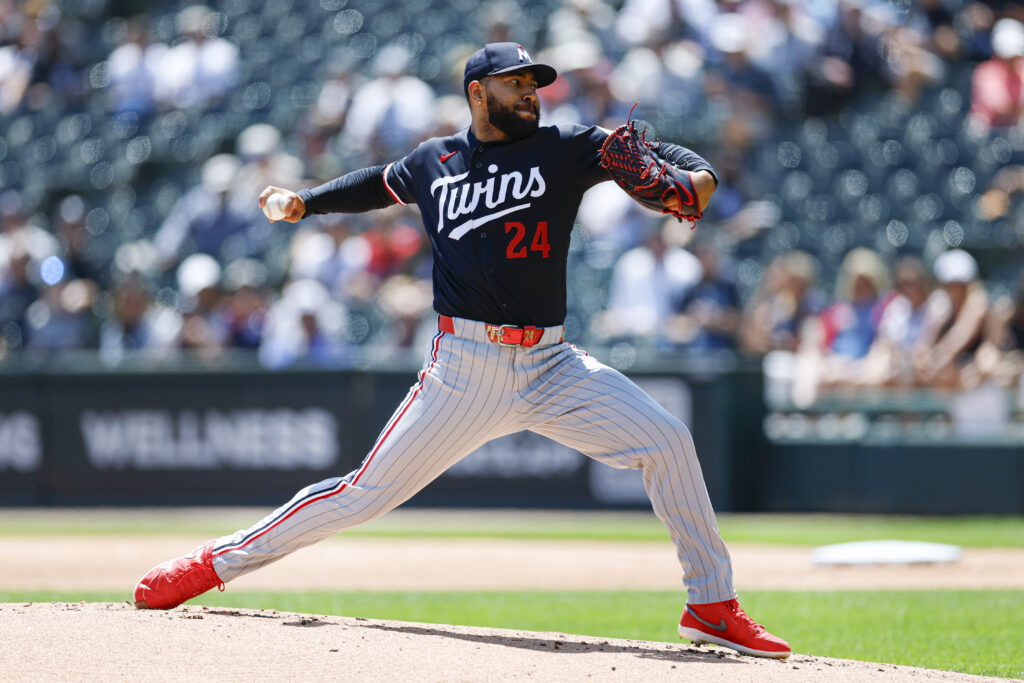
Simeon Woods Richardson’s Collapse: From Breakout Prospect to Trading Chatter
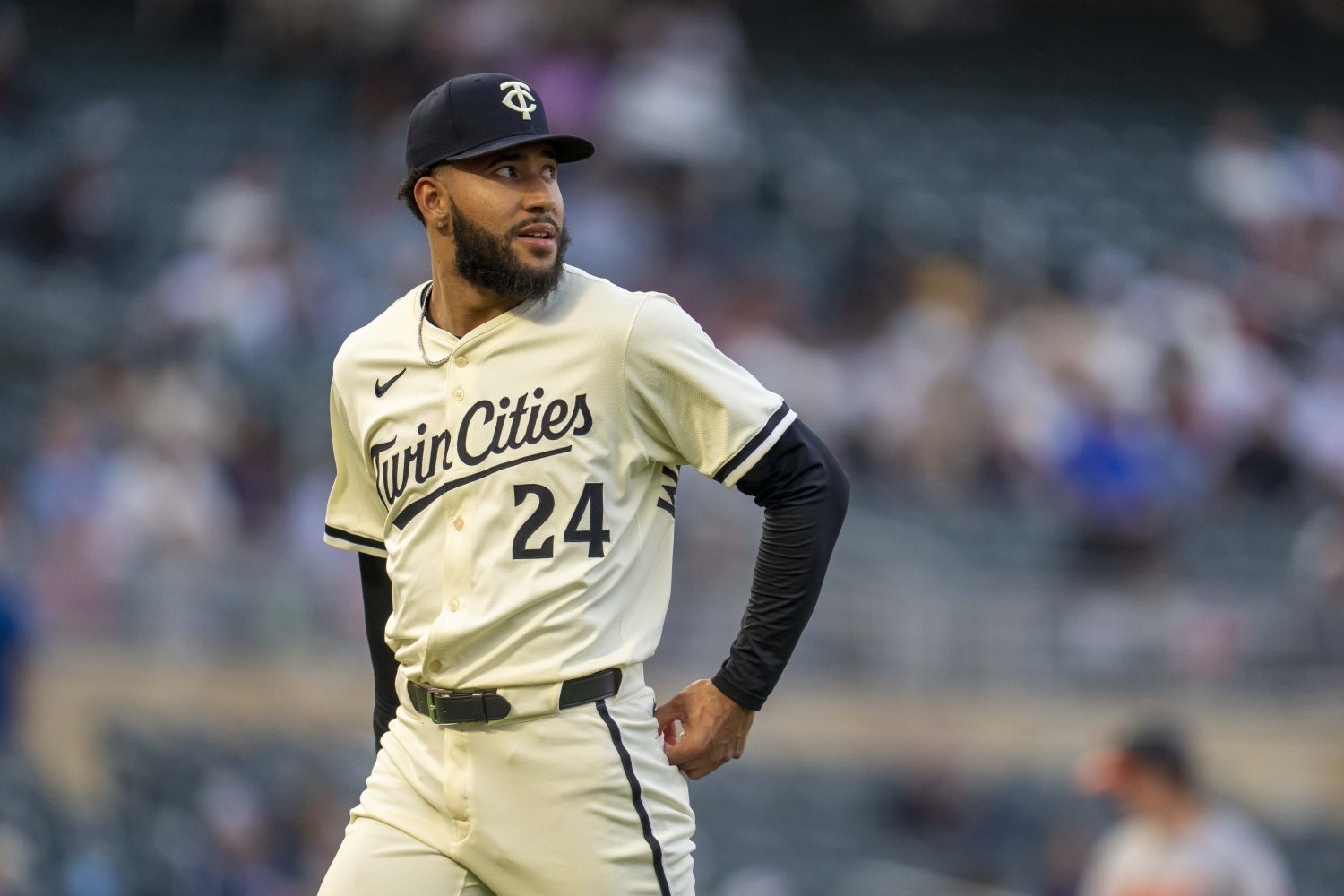
Woods Richardson was once a blue-chip prospect, drafted by the Mets in the second round of the 2018 MLB Draft and later flipped to the Blue Jays in 2019 as part of the Marcus Stroman trade. Toronto sent him to Minnesota two years later in exchange for José Berríos, a move that at the time seemed like a shrewd acquisition. By 2024, Woods Richardson had carved out a niche as a mid-rotation arm, posting a 4.11 ERA across 245 innings with a league-average strikeout-to-walk ratio. His September 2025 performance—when he posted a 2.33 ERA over 27 innings—suggested he was on the verge of a breakout. Instead, the 2026 season has been a disaster: a 7.74 ERA in 12 games, a 0-7 record, and a splitter that went from elite (37.4% whiff rate in 2025) to catastrophic (20.4% whiff rate this year, with a minus-13 run value).
The Twins had no choice but to designate him for assignment on May 30. With no minor-league options left, Minnesota exposed him to waivers—only to find a buyer willing to take him for cash. That’s how desperate the market is. Woods Richardson’s fastball velocity has dipped slightly from 93.2 mph in 2025 to 92.7 mph this year, but the real issue is command. Over his last seven starts, he walked 17 batters while striking out just 14, and opponents hit .361 against him with a .623 slugging percentage. His splitter, once his best weapon, now ranks among the worst in baseball.
Toronto’s Rotation Crisis: How the Blue Jays Are Filling the Void with Question Marks
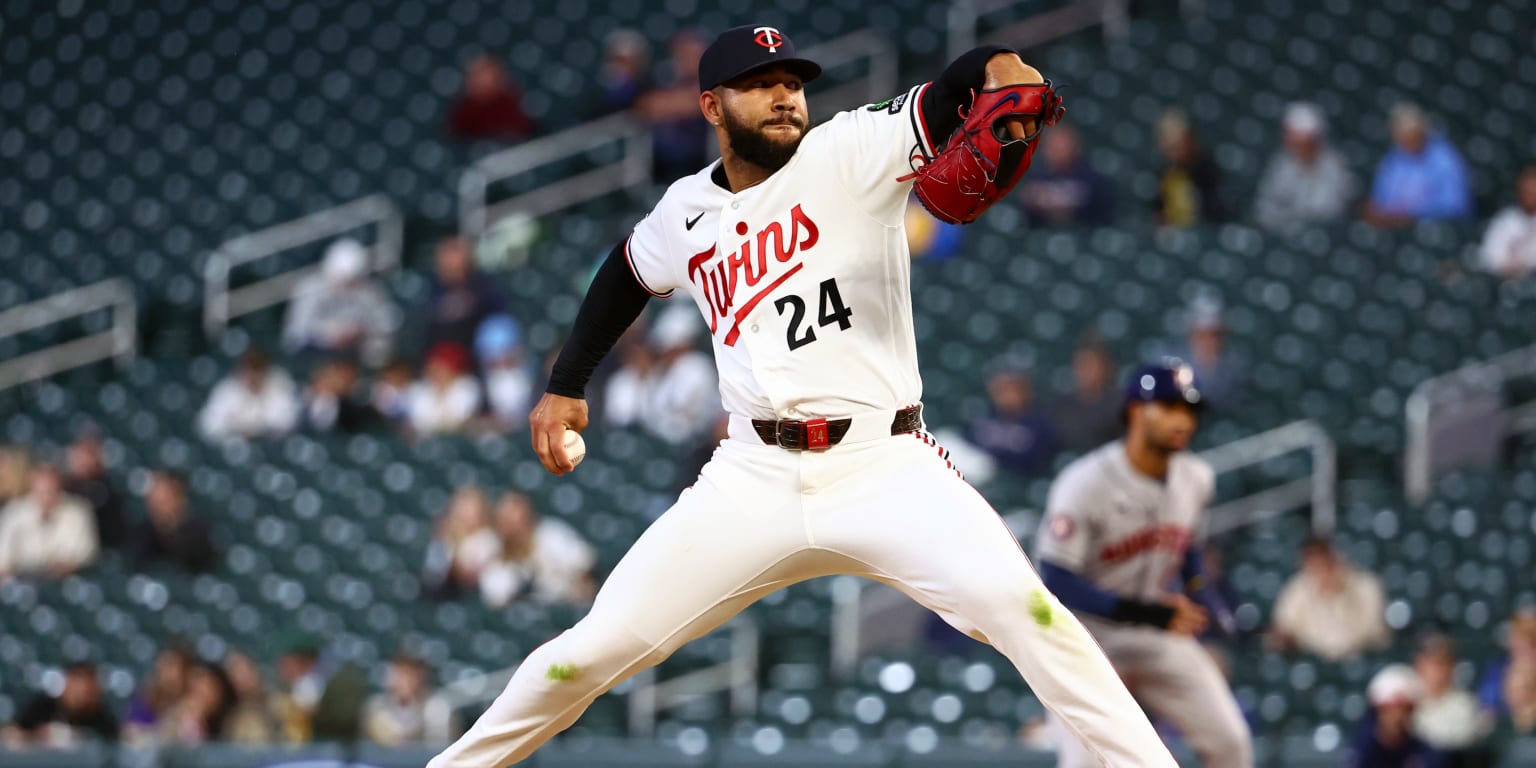
The Blue Jays’ rotation is in shambles. José Berríos and Cody Ponce are out for the year. Shane Bieber remains weeks away from his debut. Dylan Cease and Max Scherzer are on rehab assignments but not yet ready. In the meantime, Toronto is relying on a patchwork of stopgaps: Kevin Gausman, Trey Yesavage, and Patrick Corbin as starters, with Rule 5 pick Spencer Miles working in 3-4 inning stints. Woods Richardson’s arrival doesn’t solve the problem—he’s making the league minimum—but it does give Toronto a body to throw in the fire, whether as a spot starter or a long reliever.
The question now is whether Woods Richardson can regain his 2024-25 form. His splitter was the key to his success last year, but this season, it’s been a liability. If he can’t find command, he’ll be a liability too. The Twins’ decision to trade him for cash speaks volumes: they saw no path forward. The Blue Jays, meanwhile, are taking a gamble on a pitcher who may already be a lost cause.
Strategic Shifts: What the Twins’ Trade Signals About Their Rotation Philosophy
For the Twins, this trade is a clean break. Woods Richardson’s collapse was swift and brutal, and Minnesota had no room on the roster to keep him. The move frees up a spot for a potential pickup—perhaps a reliever or a young arm from the minors. But it also signals a shift in philosophy: the Twins are no longer willing to bet on mid-rotation pitchers who can’t deliver. Their rotation is already stacked with young talent (like Bailey Ober), and they’re not afraid to cut bait.
For the Blue Jays, the move is a stopgap measure. Toronto’s rotation is a mess, and Woods Richardson isn’t the solution. But with no other options available, they had to make a move. The real question is whether this trade is a sign of things to come—or if the Jays will double down on their current strategy of relying on veteran arms and hoping for rehab miracles.
The 2026 Trade Market’s Desperation: How Woods Richardson Became a Cash Consideration Casualty
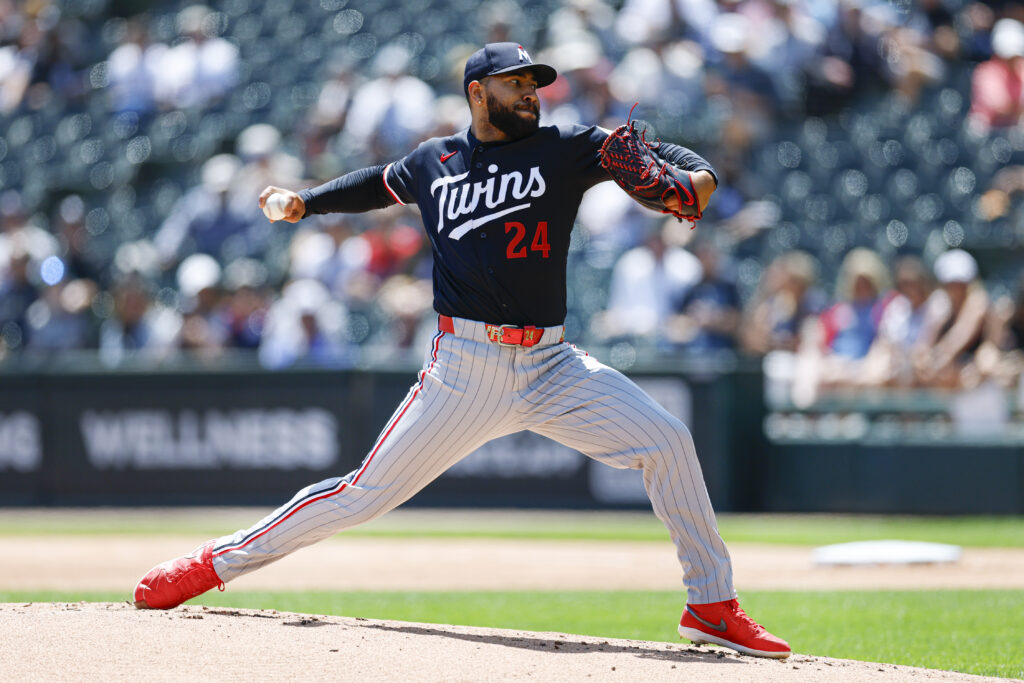
Woods Richardson’s trade is part of a larger trend in 2026: teams are trading for cash considerations, moving on from injured players, and making desperate moves to fill roster spots. The Blue Jays’ acquisition of Woods Richardson isn’t just about one pitcher—it’s about the broader instability in MLB’s mid-season trade market. With injuries piling up and rotations in flux, teams are scrambling to find bodies, even if those bodies aren’t ready to help.
The most striking aspect of this deal? It wasn’t a blockbuster. It wasn’t even a meaningful trade. It was a cash consideration move—a last-resort option for a team that had nowhere else to turn. That says a lot about the state of baseball right now. The market is flooded with mid-tier pitchers who can’t cut it, and teams are either trading them for cash or cutting them loose entirely.
What Comes Next?
Woods Richardson’s next start will be his most important. If he can’t find his command, he’ll be back on the trading block before July. The Blue Jays may try to work him into the bullpen, but that’s a risky proposition for a guy who’s never been a reliever. Meanwhile, Toronto’s rotation crisis isn’t going away—Bieber’s return is weeks off, and Cease and Scherzer are still recovering. This trade doesn’t fix anything. It just buys time.
For the Twins, the real work begins now. They need to find a replacement—someone who can step into Woods Richardson’s spot and provide stability. But with the market as chaotic as it is, that won’t be easy. And for the Blue Jays, the question remains: how much longer can they rely on stopgap solutions before they’re forced to make a real move?
One thing is clear: Simeon Woods Richardson’s career is at a crossroads. His next few starts will determine whether he’s a mid-rotation starter again—or just another casualty of baseball’s mid-season trade fire sale.
