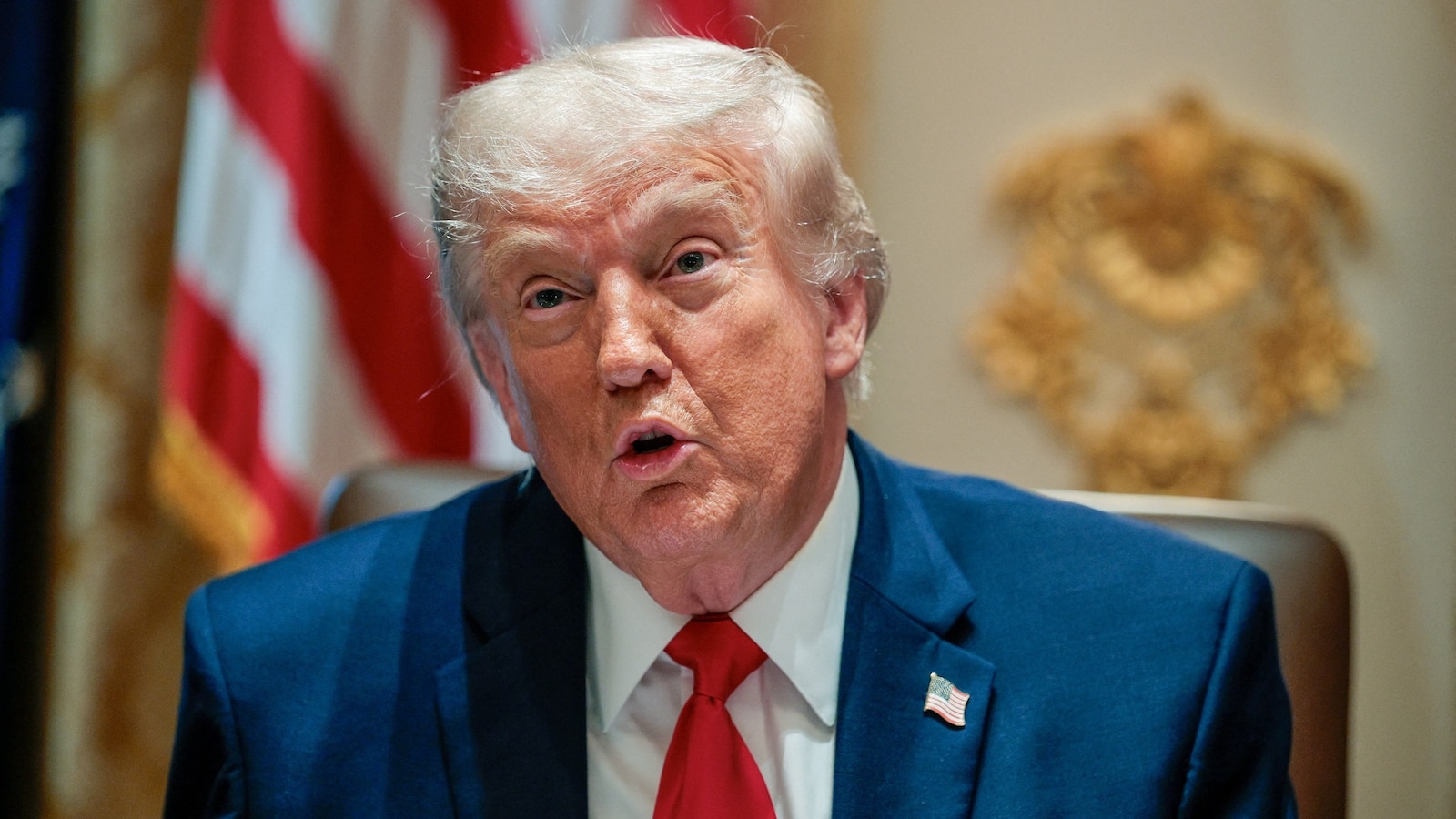
President Donald Trump announced Friday that he is convening a meeting in the White House Situation Room to reach a final determination regarding a potential deal with Iran. The proposed agreement, which remains in the final stages of ratification in Tehran, involves the status of nuclear materials and the Strait of Hormuz.
The Proposed Terms and Diplomatic Friction
The current diplomatic maneuver centers on a series of demands laid out by President Trump, which he presented as non-negotiable conditions for a new arrangement. These include the immediate, toll-free opening of the Strait of Hormuz for unrestricted shipping and the destruction of Iran’s highly enriched uranium stockpile.

According to CBS News, the potential agreement is still being weighed by Iranian officials, who have criticized the President’s public framing of the deal as a mixture of truth and lies. The report from Iran’s semi-official Fars news agency highlights a deep divide over the interpretation of the Memorandum of Understanding. Specifically, Tehran disputes the claim that it is removing or destroying nuclear material, calling such assertions fundamentally unfounded.
The tension extends to the logistics of the Strait of Hormuz. While the President has demanded the immediate removal of all water mines, Tehran maintains that its arrangements for the waterway—which could include monitoring, inspection, and security services—are predetermined and independent of the current U.S. blockade.
Disputed Claims Over Naval Blockades and Mines
A central point of contention in the lead-up to the Situation Room meeting is the existence of undersea mines in the Strait of Hormuz. President Trump asserted that the U.S. has already removed numerous mines through detonation and expects Iran to clear any remaining ordnance.
However, ABC News reports that U.S. military searches, which have utilized underwater drones and aircraft reconnaissance, have yet to produce definitive evidence of Iranian mines in the waterway. Despite intelligence reports previously suggesting that Iran had placed at least a dozen mines, the actual findings on the ground—or under the water—remain unconfirmed.
For more on this story, see Trump Threatens Renewed Military Action Amid Stalled Nuclear Talks With Iran.
This uncertainty complicates the President’s narrative. While the White House has focused on the lifting of the naval blockade as a precursor to normalcy, the reality of the maritime security situation remains a subject of conflicting reports between the administration and military observers.
Financial Stakes and the Path to Ratification
The economic components of the deal have become a focal point for both sides. The draft agreement reportedly includes the release of $12 billion in frozen assets belonging to Iran. Yet, in a clear divergence from that reported framework, President Trump stated on social media that no money will be exchanged until further notice.
“The Fars report cited unnamed Iranian officials describing Mr. Trump’s statement as a mixture of truth and lies. According to these sources, it has become clear to almost everyone that these claims are invalid,” CBS News
As Fox News reported, the President remains focused on the mechanical removal of nuclear material, which he termed “Nuclear Dust.” This material, allegedly buried deep underground following a B2 bomber attack 11 months ago, is intended to be unearthed and destroyed in coordination with the International Atomic Energy Agency.
Diplomatic and Regional Complications
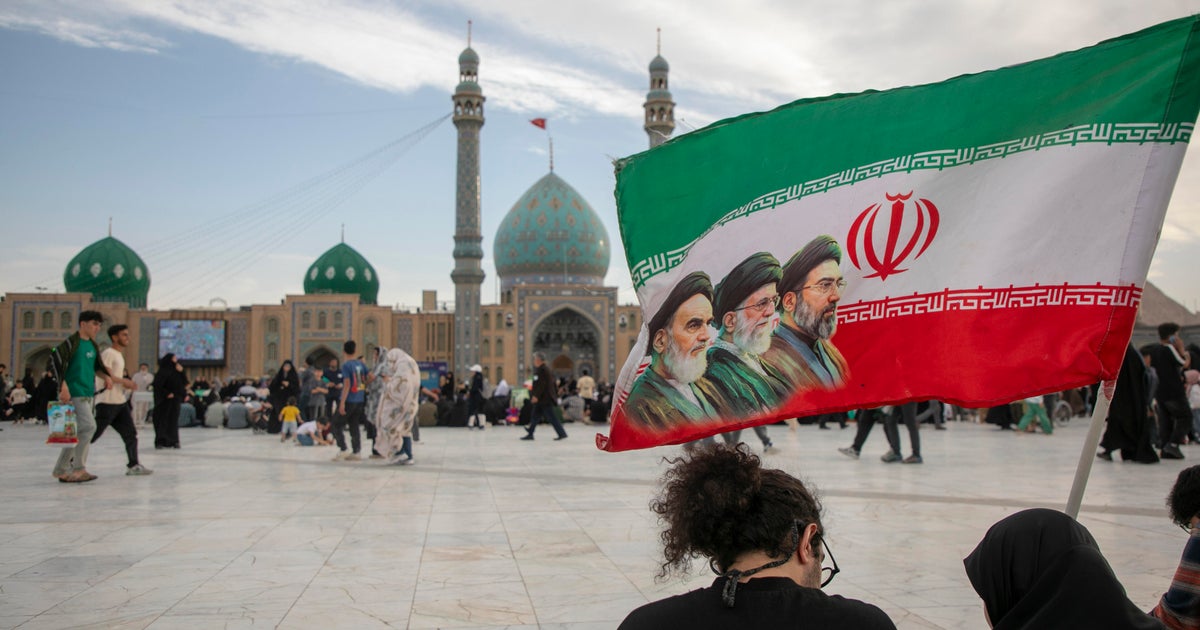
The diplomatic process is further strained by conflicting accounts regarding the scope of the negotiations. While the White House has prioritized the Strait of Hormuz and nuclear disarmament, Iranian state-aligned outlets have suggested that the discussions are intended to be more comprehensive. The Fars news agency reporting indicates that internal Iranian factions are debating the inclusion of a regional ceasefire, specifically one covering the conflict in Lebanon involving Hezbollah. This potential expansion of the deal’s scope remains a source of friction, as the U.S. administration has not publicly confirmed these broader parameters as part of the current Situation Room review.
This follows our earlier report, Trump claims ‘largely negotiated’ Iran deal with Strait of Hormuz opening.
The International Atomic Energy Agency (IAEA) has maintained a stance of neutrality, noting that any destruction of nuclear materials must be verified through established international protocols. However, spokespeople for the agency have yet to confirm if a formal inspection regime has been finalized for the sites mentioned by the White House. This gap between the President’s public messaging and the technical requirements for verification has created a bottleneck in the ratification process, with Iranian negotiators signaling that they require concrete assurances regarding both the timeline for asset releases and the scope of inspection authority before moving forward.
The situation remains fluid. While the President prepares for his final determination, the Fars report suggests there may be additional items on the table, including a potential ceasefire in Lebanon involving Hezbollah—a detail notably absent from the President’s public messaging. As of May 30, 2026, the world watches to see if the rhetoric of the Situation Room will align with the realities of the ratification process in Tehran or if the current deadlock will persist.
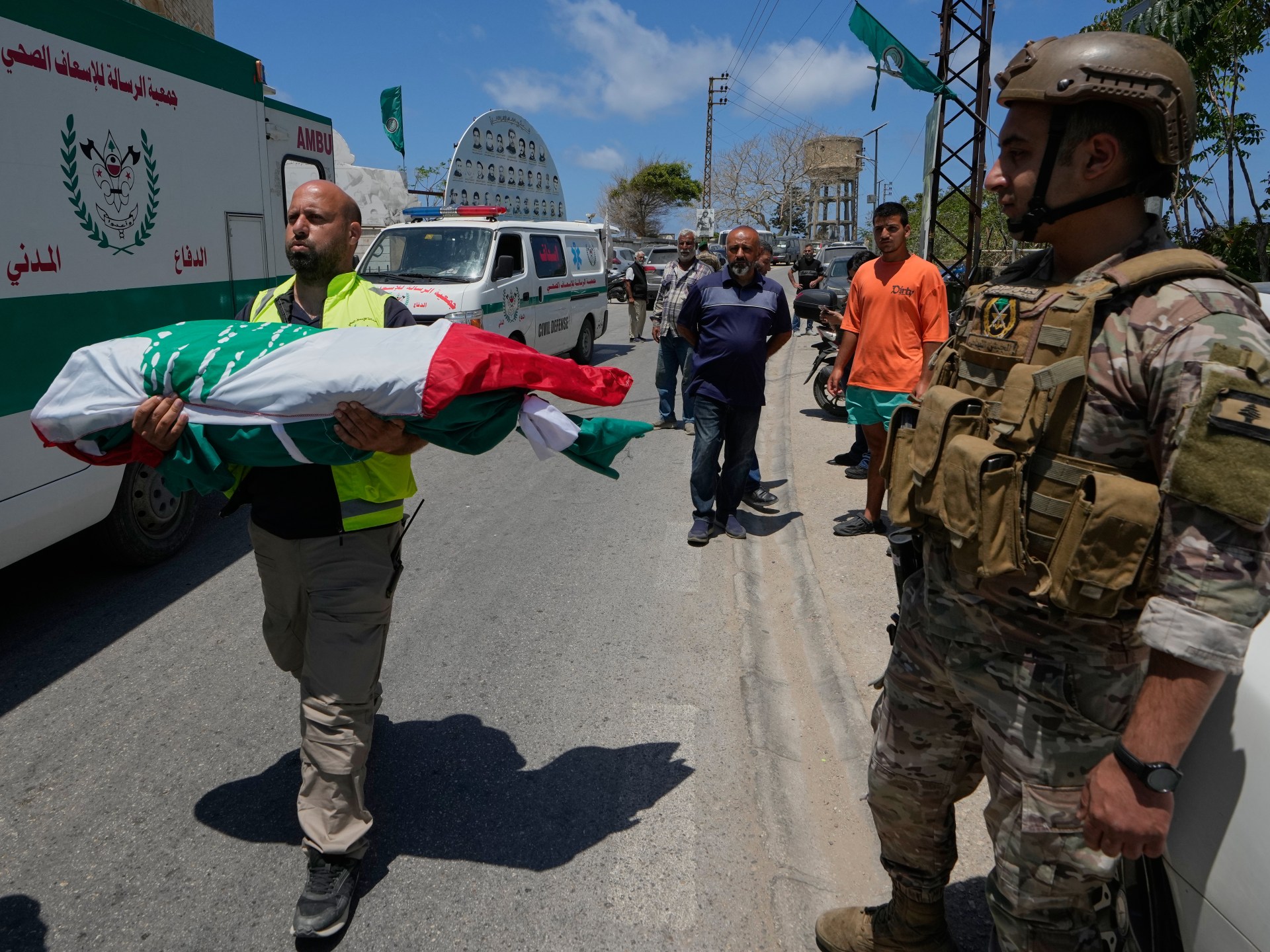
For ongoing context on the broader regional conflict, Al Jazeera continues to monitor the expansion of operations in Gaza and Lebanon, which provide the volatile backdrop to these high-stakes negotiations.
