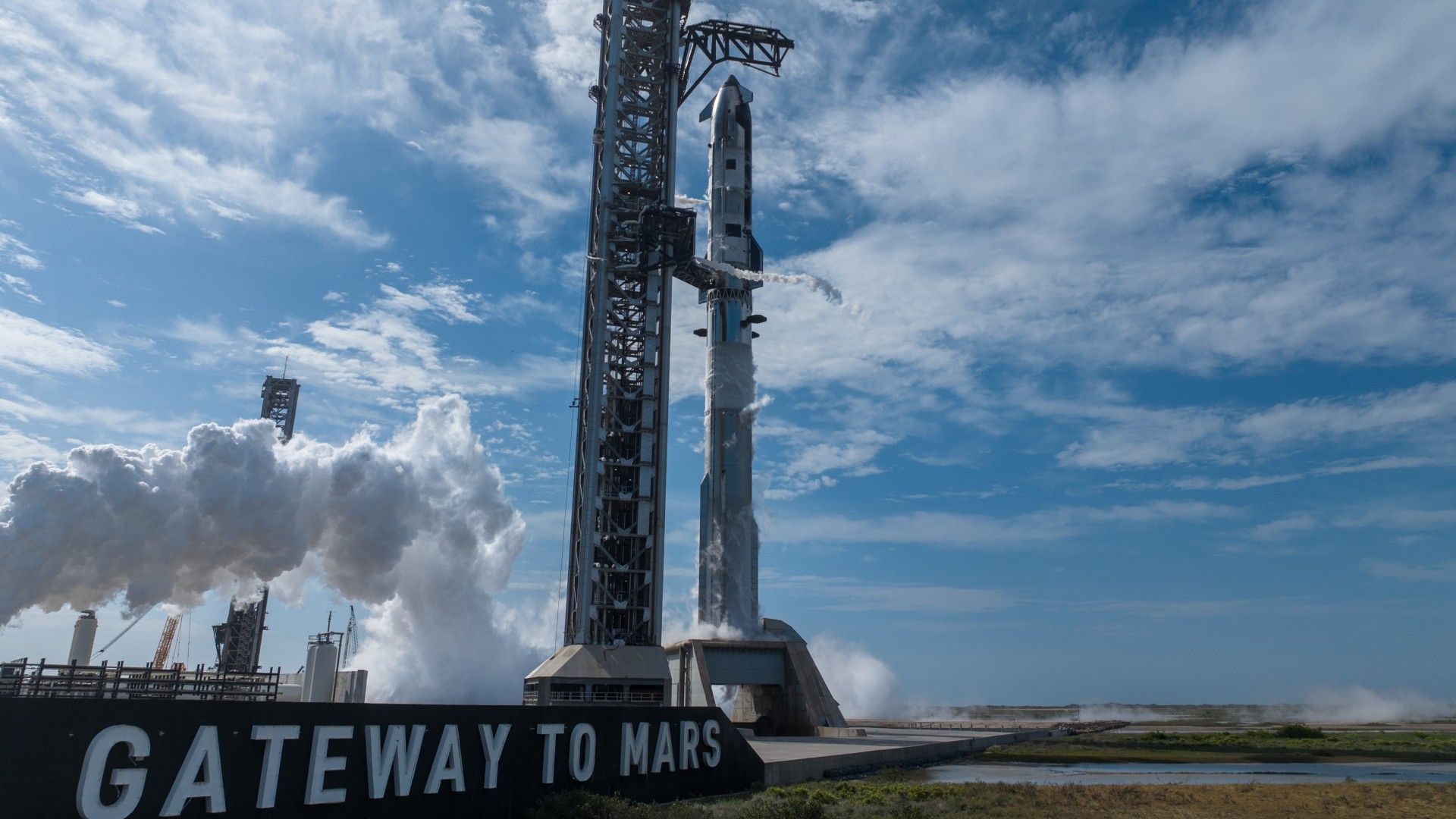
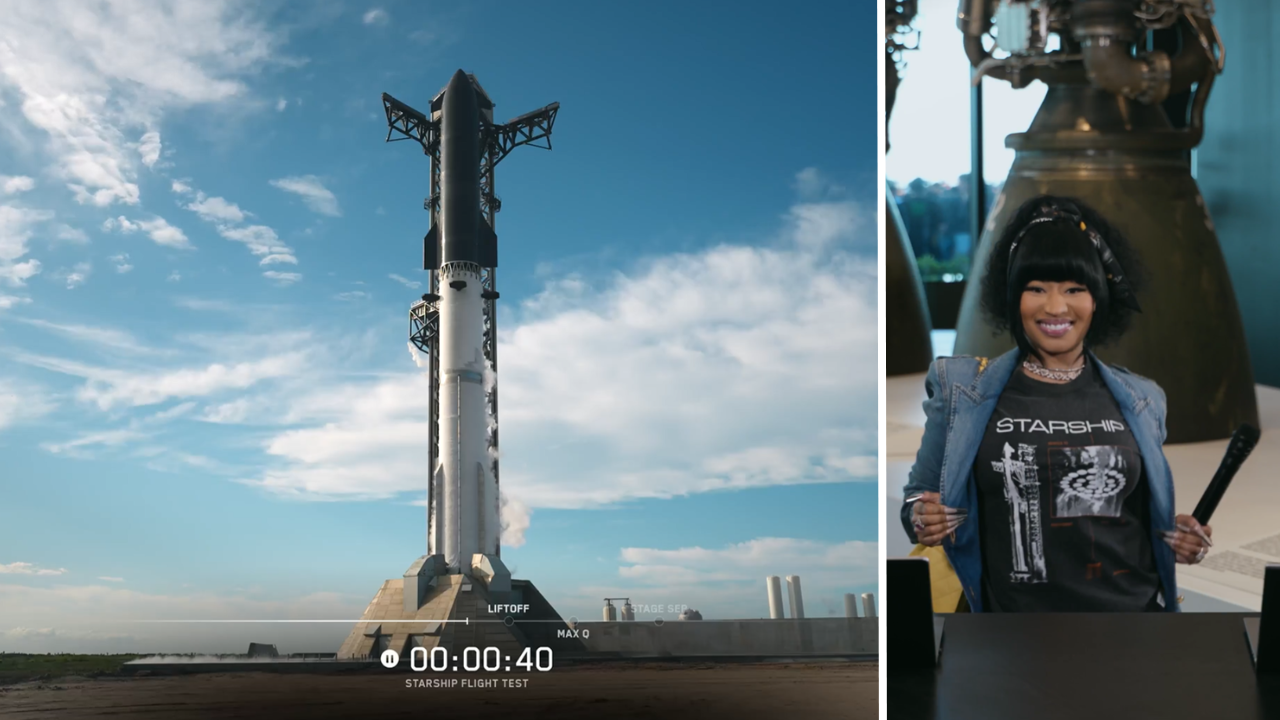
SpaceX scrubbed the first-ever launch attempt of its upgraded Starship V3 rocket on May 21, 2026, after technical issues halted the countdown at the T-40 second mark at the company’s Starbase site in Texas. The mission, designated Flight 12, is now rescheduled for a second attempt on May 22, 2026.
A Scrubbed Debut for the V3 Megarocket
cluster (priority): Space
The highly anticipated debut of the Starship V3 vehicle ended abruptly Thursday evening when controllers stopped the clock just moments before the intended 7:30 p.m. ET liftoff. While the launch window had already been pushed back by an hour due to upper-level winds, the final decision to scrub was driven by technical complications that arose during the terminal countdown.
According to SpaceNews, the countdown cycle repeatedly stalled at the T-40 second mark. SpaceX officials identified issues involving ground equipment, specifically citing problems with quick-disconnect lines and water diverters on the pad. The situation was further complicated by rising temperatures in the propellant tanks, which ultimately forced the team to call off the attempt.
“New rocket, new pad, we’re learning a lot about these new systems as we execute them for the first time,” said Dan Huot, a member of SpaceX communications, during the company’s live launch webcast. Huot noted that the team was unable to troubleshoot the specific technical snags in the final seconds before the launch window expired.
Technical Hurdles and the Path to Friday
cluster (priority): CNBC
The V3 vehicle represents a significant evolution in SpaceX’s architecture, featuring redesigned propulsion systems and a structure built to improve launch cadence. Elon Musk, CEO of SpaceX, provided additional insight into the specific mechanical failure on social media shortly after the scrub. He stated that a “hydraulic pin holding the tower arm in place did not retract,” preventing the vehicle from clearing the pad.
Because the vehicle had already been fully fueled, the event functioned as a high-stakes wet dress rehearsal. SpaceX confirmed that the team intends to address the pin issue overnight to prepare for a second launch window. “We are expecting to be able to make another flight attempt tomorrow,” Huot said, setting the stage for a potential liftoff on May 22 at 6:30 p.m. ET.
Starship’s Role in the Upcoming IPO
LIVE: SpaceX Starship Flight 12 launch (scrubbed)
This flight test carries weight beyond the technical milestones of the V3 engine and the new Pad 2 infrastructure. As CNBC reported, the test flight serves as a critical demonstration for investors as the company moves toward an initial public offering. SpaceX’s IPO prospectus, filed on Wednesday, explicitly highlights that its future “growth strategy depends on our ability to increase our launch cadence and payload capacity, which is dependent on the successful development of Starship at scale.”
The financial stakes are substantial. SpaceX has invested more than $15 billion into the Starship program to date. The company’s revenue model is increasingly tied to the success of its Starlink connectivity unit, which generated $11.4 billion in sales and $4.4 billion in operating income in 2025. Starlink’s expansion relies on Starship’s ability to deliver larger payloads into orbit at a lower cost than the current Falcon 9 fleet.
High-Profile Interest and Future Missions
cluster (priority): SpaceNews
The scrub was a notable moment for the spectators gathered at the Starbase facility, including singer Nicki Minaj, who attended the launch to witness the historic event. Minaj, who rose to fame with the 2012 hit song “Starships,” expressed her support for the mission while wearing a company-branded shirt. “This is historic. This is a major moment, y’all,” Minaj said during the webcast.
While the V3 rocket remains in its testing phase, the long-term roadmap for the vehicle is already taking shape. Space.com reported that SpaceX recently announced plans for a future flyby mission to Mars, which will be led by private explorer Chun Wang. The company is also positioning Starship as the primary lander for NASA’s Artemis IV moon mission, which is currently slated for early 2028. For now, the focus remains on clearing the pad and completing the 12th test flight to validate the V3 configuration.