
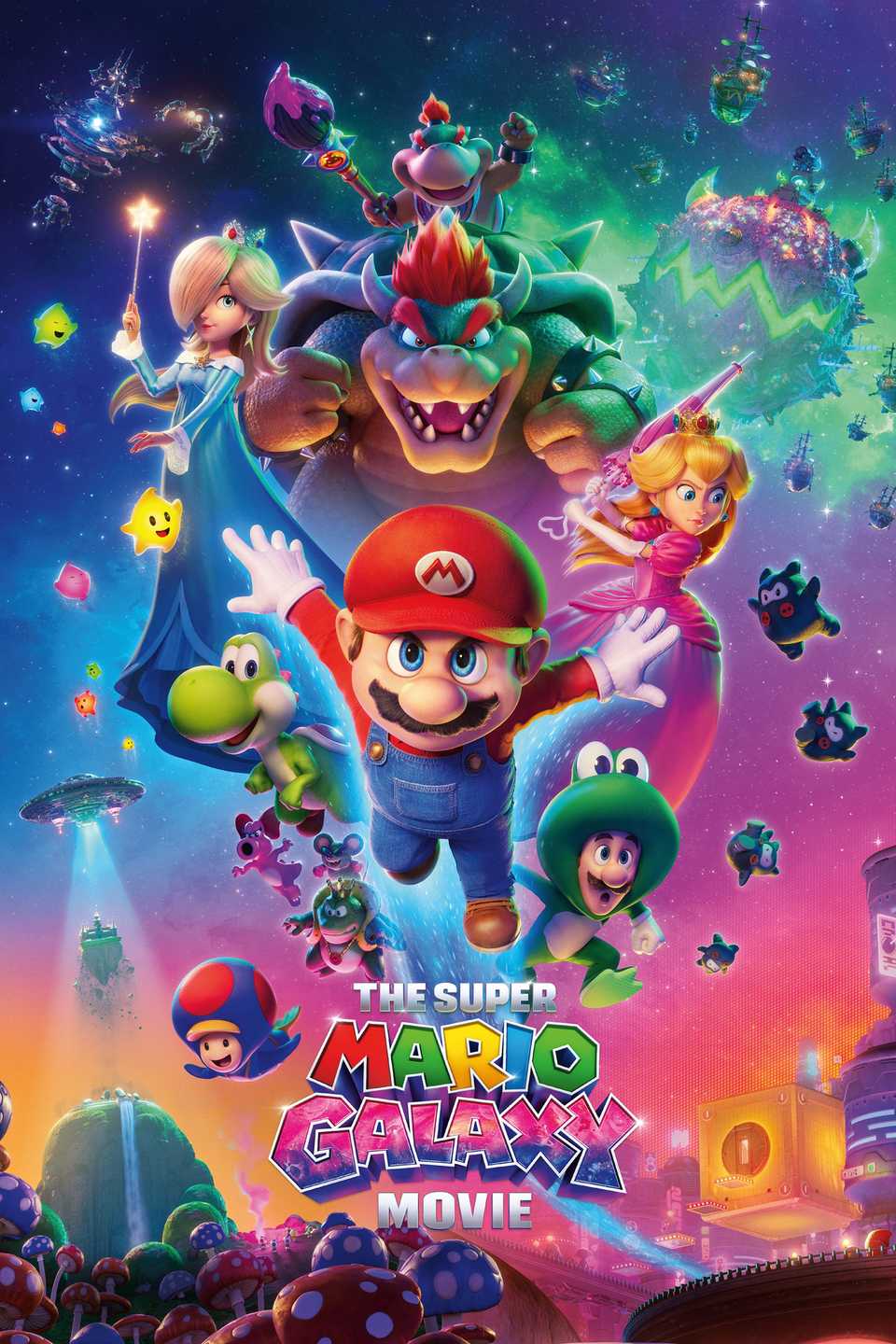
Disney and Pixar’s Toy Story 5 is on track to shatter its own franchise record at Thursday night’s box office, with previews generating between $13 million and $14 million—potentially the highest single-night preview total in the series’ history. The film’s advance ticket sales already exceed $25 million, outpacing this year’s Super Mario Galaxy Movie, and its global forecast of $275 million suggests a weekend run that could redefine Pixar’s commercial dominance.
How Thursday’s Previews Compare to Pixar’s Past
According to Deadline, Thursday’s previews could surpass the $12.6 million generated by Michael (2024) and Project Hail Mary ($12 million), marking the strongest opening night for a Pixar film since Incredibles 2’s $18.5 million preview in 2018. The franchise’s previous record-holder, Toy Story 4 (2019), earned $4 million in previews—but that was before the industry’s shift to earlier showtimes. With Toy Story 5’s previews starting at 5 PM and breaking wide at 6 PM, the film’s advance sales of $25 million (ahead of Super Mario Galaxy Movie) signal a level of anticipation unseen since Incredibles 2, which also holds the franchise’s weekend record ($182.6 million in 2018).
Yet the comparison isn’t just about numbers. Toy Story 5 arrives at a pivotal moment for the franchise: it’s the first installment since Toy Story 4 (2019) to premiere without a major gap in the series’ narrative. The film’s domestic outlook of $140 million+ at 4,425 locations—with strong support from PLF and Imax screens—positions it to outperform even Toy Story 3’s $1.06 billion global run, adjusted for inflation. The question isn’t whether it will succeed, but whether it will redefine what a Pixar blockbuster can achieve in 2026.
The Tech vs. Toy Battle: What the Cast Reveals
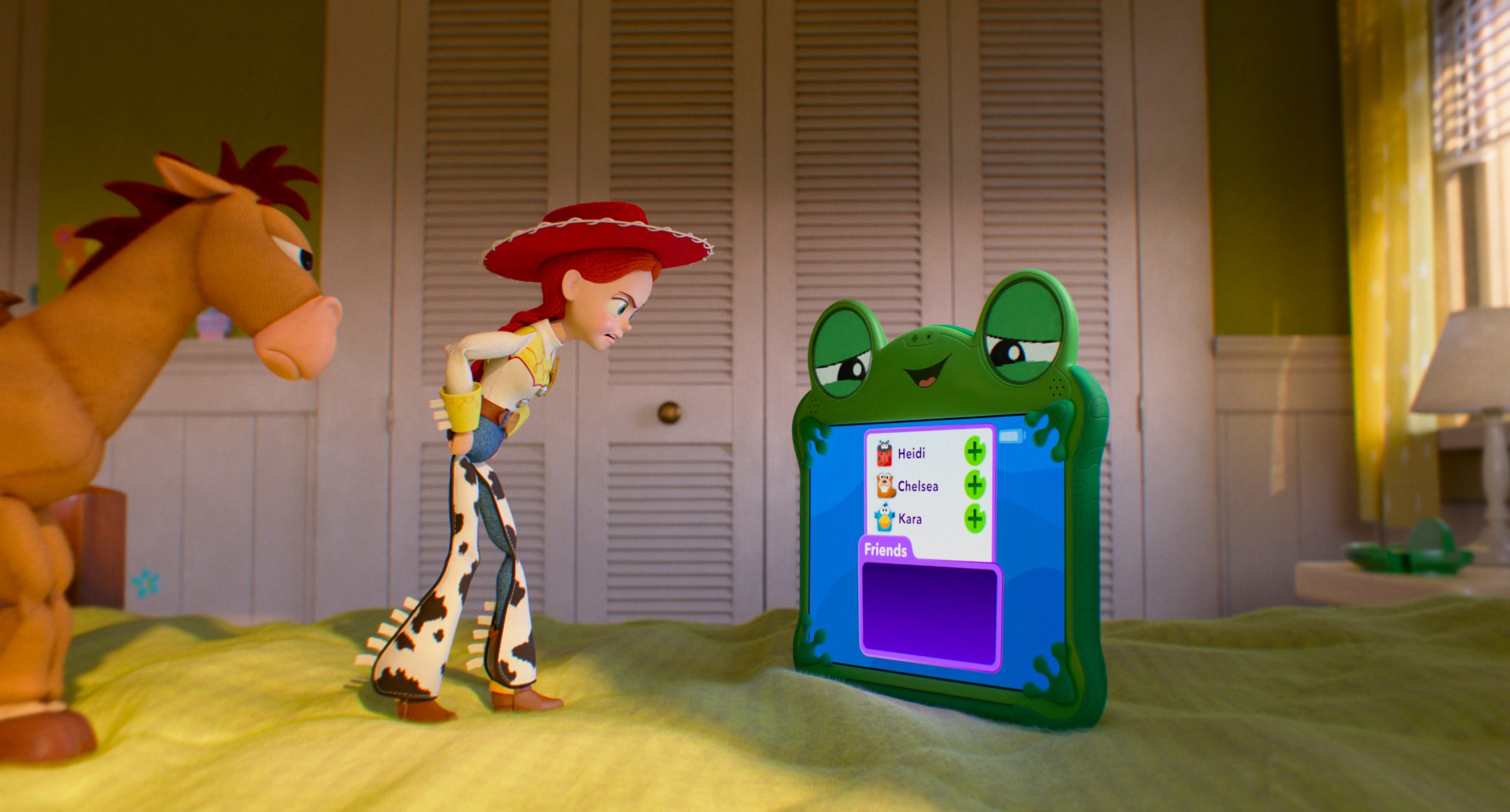
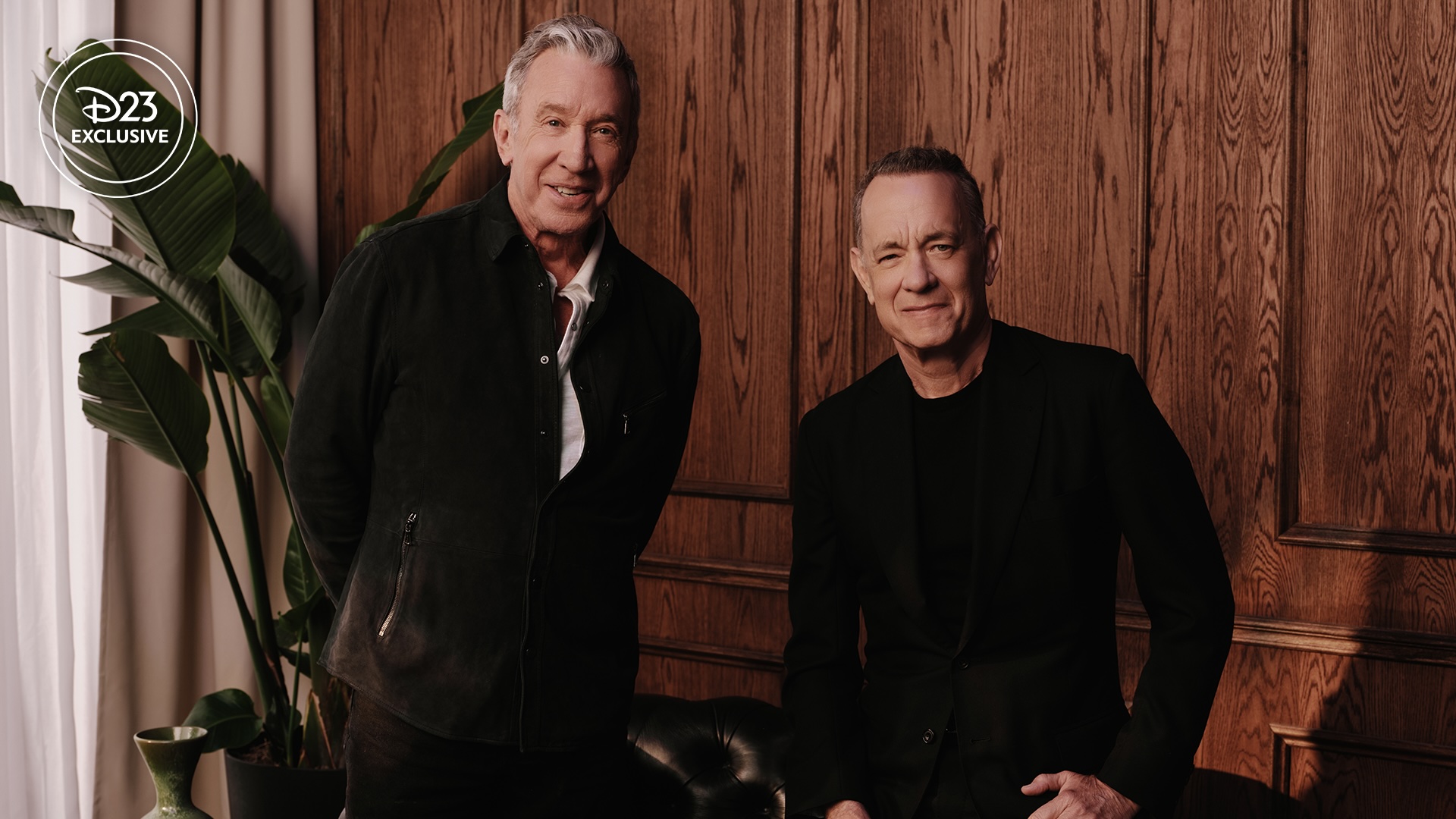
At the heart of Toy Story 5 lies a generational conflict: the rise of technology threatens the very existence of playtime. Tom Hanks, who voices Woody, framed the stakes bluntly in an exclusive interview with D23: “The battle against tech—Lilypad, bless her. The difference between being engaged in tech or playing with toys is as different as, I don’t know, apples and doorknobs.” The film introduces Lilypad, a tablet-wielding antagonist voiced by Greta Lee, whose disruptive ideas about parenting clash with the toys’ worldview. For Buzz Lightyear (Tim Allen), the emotional weight is personal: after Toy Story 4’s heartbreaking separation from Woody, this installment forces him to confront whether their friendship can survive in a world where screens dominate.
Allen’s approach to Buzz’s arc is revealing. “I was stuck on emotional things,” he told D23. “I needed that hug; you know, I really had emotional separation from my best friend in Toy Story 4. I kept saying, is there a moment where I admit [that we’re back together]?” The solution? A subtle, almost subversive moment where Buzz treats Woody like a new acquaintance—no “Hey, it’s Woody!”—before the two reunite in a quiet, earned embrace. Hanks echoed the theme: “We’re very much aware of time having passed but adding to the experience of seeing each other. Good friends do that.” The dynamic speaks to Pixar’s ability to evolve its characters while staying true to their core identities.
What’s striking is how the film’s tech-toy conflict mirrors real-world anxieties about childhood and digital engagement. Lilypad isn’t just a villain; she’s a product of an era where parents grapple with screen time limits and the erosion of unstructured play. The film’s marketing leans into this tension, with Taylor Swift’s original song “I Knew It, I Knew You” (written with Jack Antonoff) serving as both a love letter to nostalgia and a commentary on the modern parent-child dynamic. Randy Newman’s return as composer—his fifth Toy Story score—adds another layer, blending whimsy with a bittersweet undercurrent.
The Animation Revolution: How Pixar Broke New Ground
Behind the scenes, Toy Story 5 represents a technical leap that could redefine animation. Visual effects supervisor Thomas Jordan told The Walt Disney Company that Pixar’s render farm is now 12,000 times more powerful than it was in 1995—when the first Toy Story debuted. “Computers have gotten a lot faster over the last 30 years,” Jordan said, “but more importantly, the animation system we use is friendlier for artists. They don’t need computer backgrounds, because the tools are much easier and accessible.”
The most visually ambitious sequence in the film—a scene where Jessie and Bullseye ride a real horse named Daffodil—demonstrates this evolution. Jordan described it as “the most complicated motion” in the entire movie: “As Daffodil is running, Jessie is holding onto Daffodil’s mane, and Bullseye is holding onto Jessie’s foot. It is the most complicated motion, I think, of any shot we have in the entire film—and it goes by in a flash! But it really elevates the excitement in the film.” The shot required animating a horse’s anatomy with unprecedented fidelity, all while integrating the characters’ interactions seamlessly. It’s a testament to how far Pixar has come since its first film, which relied on simpler, more abstract visuals.
Yet the technical advancements serve a narrative purpose. The film’s opening scene—a playful, almost chaotic toy barn—contrasts sharply with the sterile world of Lilypad’s tablet. The animation isn’t just about spectacle; it’s about preserving the tactile, imaginative magic of play. In an era where digital experiences often feel soulless, Toy Story 5 uses its cutting-edge tools to argue for the enduring value of analog joy.
What’s Next: Can It Top $275 Million Globally?
The box office numbers tell only part of the story. With a 94% certified fresh score from critics and a global forecast of $275 million (including $135 million from an 87% international footprint, with China a key market), Toy Story 5 is poised to become Pixar’s highest-grossing film of 2026—if not the year. But the real test will be whether it can sustain its momentum beyond the opening weekend. The franchise’s history shows that Toy Story films often benefit from word-of-mouth, with Toy Story 3’s $1.06 billion haul coming after a slower start.
One wild card is the film’s international appeal. While Toy Story 4 struggled in some markets due to its emotional tone, Toy Story 5’s blend of humor and heart may resonate more broadly. The inclusion of Taylor Swift’s song—already a global phenomenon—could also drive ancillary revenue, from merchandise to streaming. But the biggest question remains: Can Toy Story 5 recapture the magic of its predecessors while feeling fresh enough to stand on its own?
For now, the focus is on Thursday’s box office. If the $13–$14 million preview holds, it won’t just be a record—it’ll be a statement. In an industry where franchises often feel formulaic, Toy Story 5 is proving that even after 30 years, the toys still have stories to tell—and audiences still care.
- Thursday Night Previews: $13M–$14M (potential franchise record)
- Advance Ticket Sales: $25M (ahead of Super Mario Galaxy Movie)
- Domestic Forecast: $140M+ at 4,425 locations
- Global Forecast: $275M ($135M international, including China)
- Critical Score: 94% certified fresh
- Pixar’s Most Powerful Render Farm: 12,000x faster than 1995’s system
Find more reporting in our Entertainment section.
