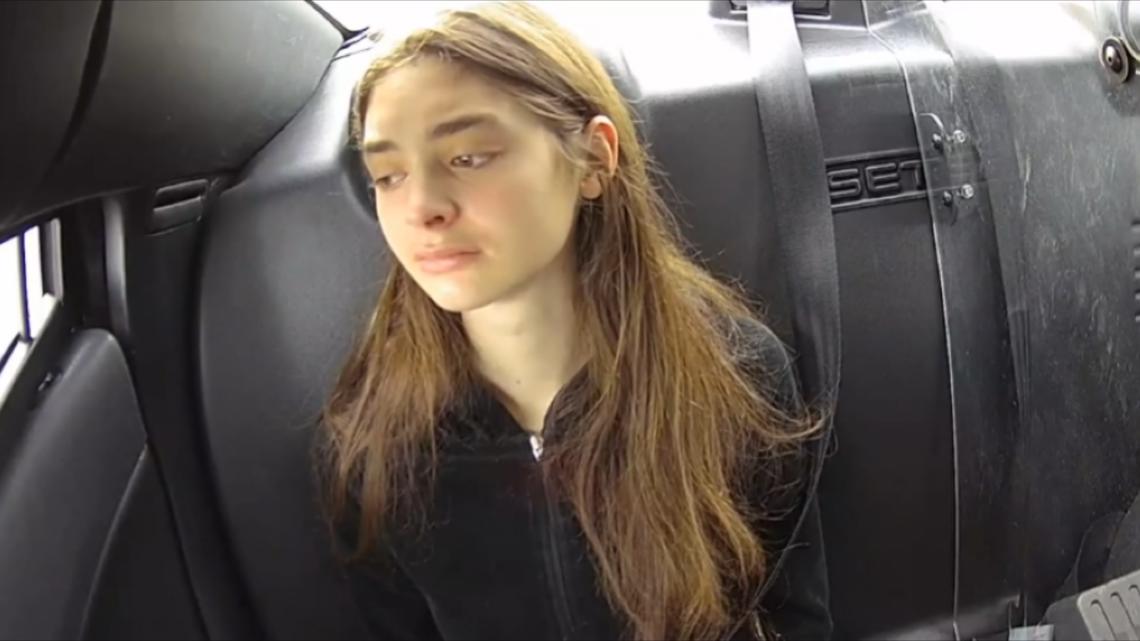
“This past week. Since the film’s release, Google Trends data show Shirilla’s name has ranked among the top three most-searched topics nationwide over the past week, signaling a sharp resurgence in public attention.”
Mackenzie Shirilla’s father has been placed on administrative leave from his Cleveland-area teaching position following the release of Netflix’s documentary *The Crash*, which rekindled national scrutiny of the 2022 car accident that killed two teenagers and led to Shirilla’s life sentence. The film, which premiered this week, has reignited debates about the role of true crime media in resurrecting closed legal cases, with legal experts warning of both public fascination and potential misinterpretations of court proceedings.
The Resurgence of a Tragic Case
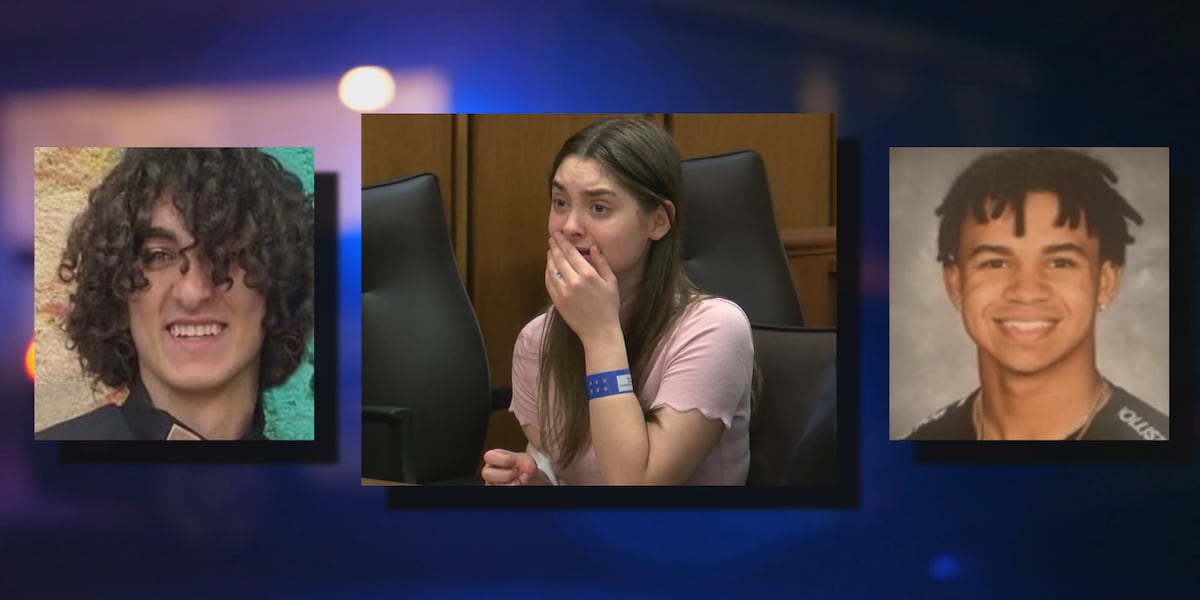
The documentary centers on Shirilla, a 20-year-old from Strongsville, Ohio, who was sentenced in 2023 to life in prison with parole eligibility after crashing her car at 100 mph into a brick wall, killing her boyfriend Dominic Russo and friend Davion Flanagan. Prosecutors described the crash as intentional, and a Cuyahoga County judge upheld her conviction after a bench trial. Shirilla’s sentence, set to make her eligible for parole in 2037, had largely faded from public view until *The Crash* reentered the conversation.
The film’s release coincided with a surge in online searches for Shirilla, per Google Trends data cited by WKYC, which positioned her name among the top three most-searched topics nationwide. This pattern, noted by legal scholar Michael J. Benza, reflects a broader trend of streaming platforms amplifying interest in high-profile criminal cases. “That’s part of the power of the internet,” Benza told 3News. “True crime documentaries have become a major driver of audience engagement in the streaming era.”
Community Backlash and Institutional Response
cluster source: Cleveland 19 News
The renewed attention has not been without consequences. Shirilla’s father, Steve Shirilla, was placed on administrative leave from his role as an art and digital media teacher at Mary Queen of Peace School in Cleveland. The school cited “allegations made on social media that one of our teachers has demonstrated poor judgement,” though the leave was tied to public backlash rather than actions at the school itself. An anonymous parent told Cleveland 19 News that while students respected Steve Shirilla, the family’s handling of the case had drawn “a scary amount of attention to our kids.”
The incident highlights tensions between personal grief and public scrutiny. “At the time that Mr. Shirilla was hired, it was approximately 2 1/2 years before the crash happened, so nobody foreseen that coming,” the parent said. “How they parented, and what happened behind closed doors, nobody could know about.”
Legal and Ethical Implications
Benza emphasized that while documentaries like *The Crash* rarely alter court rulings, they can reshape public discourse. “Post-trial, they have taken a deep dive into a criminal case and really explored and presented significant questions about the validity of the conviction,” he said. However, he cautioned that dramatized storytelling risks distorting legal realities. “That can have very negative consequences for those people who are touched by this.”
The case also raises questions about the ethics of true crime media. While such content drives engagement, it often prioritizes narrative over nuance. Shirilla’s story, already fraught with tragedy, now faces renewed examination through a lens that balances empathy with the demand for sensationalism. “In some instances,” Benza noted, “renewed visibility can also be used by defendants or supporters as part of continued efforts to challenge a conviction.”
What Comes Next?
As *The Crash* continues to dominate conversations, the legal and social implications of its release remain unresolved. Shirilla’s case, already a fixture of Ohio’s legal history, now exists in a liminal space between past verdicts and present public sentiment. For her family, the documentary has intensified the weight of their private pain, while for the broader public, it underscores the enduring power of media to redefine narratives long after trials conclude.
The situation also prompts a larger reckoning with how society engages with criminal justice. “The safety, wellbeing, and trust of our students remain among our highest priorities,” the Mary Queen of Peace School stated in its communication to parents. Yet the incident leaves unanswered how institutions balance the personal lives of employees with the public’s insatiable appetite for stories of crime, redemption, and controversy.
For now, the documentary’s impact is undeniable. As Benza observed, “The internet’s ability to resurrect cases is a double-edged sword.” Whether it sharpens public understanding or deepens divides, the story of Mackenzie Shirilla—and the forces that continue to shape it—remains far from over.
Jasmine Brooks curates coverage of film, music, and digital culture. She began her career as an arts columnist for The Evening Tribune and has since interviewed creatives across Hollywood, Seoul, and London. Her focus blends culture, diversity, and storytelling excellence.