
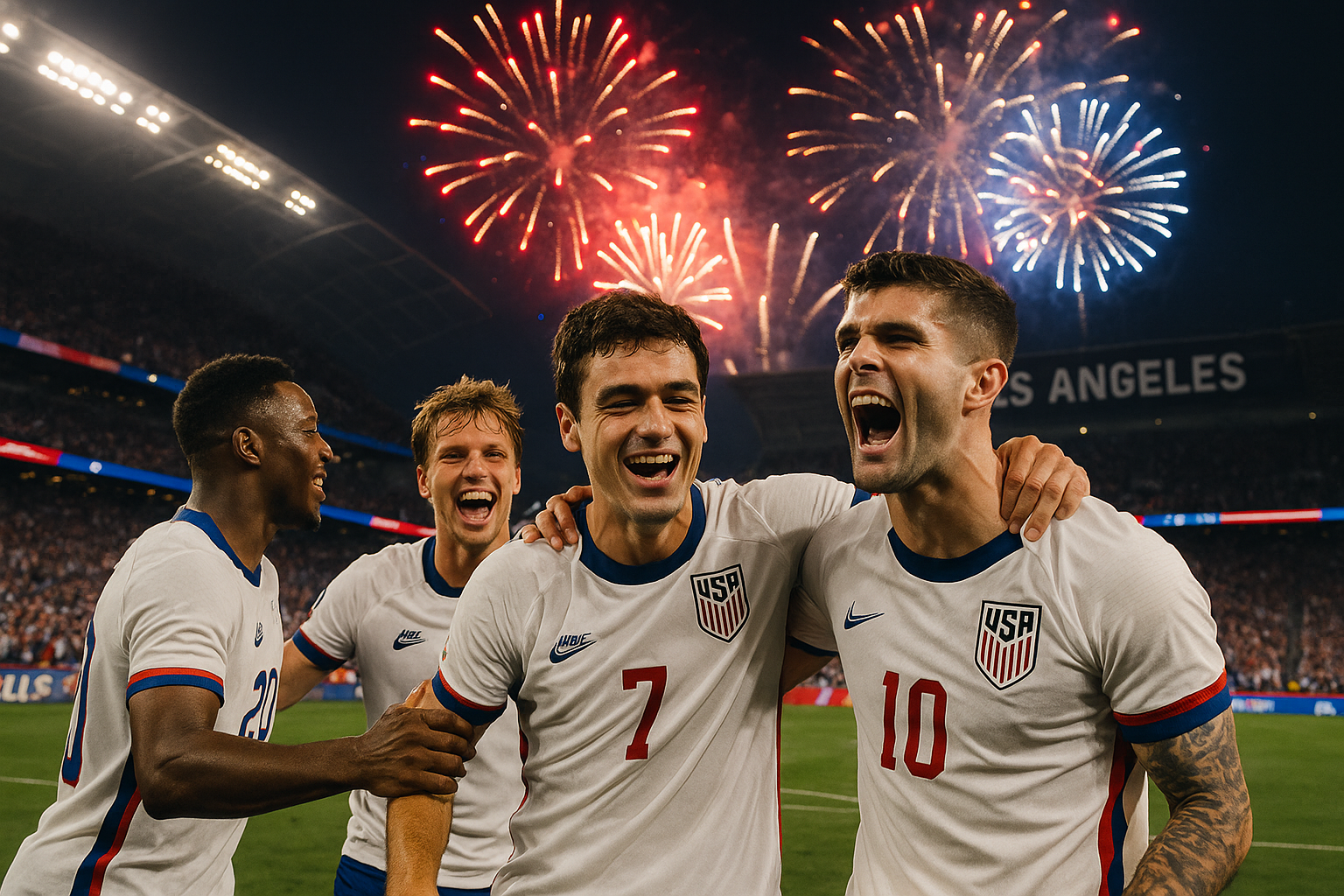
The U.S. Men’s National Team secured first place in Group D of the 2026 FIFA World Cup on June 19, 2026, following a 2-0 victory over Australia and Paraguay’s subsequent 1-0 win against Türkiye. The result guarantees the Americans a spot in the Round of 32, marking their first group-stage win since 2010.
How the United States Clinched Group D
The path to the top of the standings crystallized late Friday night. While the United States had already defeated Australia in Seattle earlier that day, the group title remained in flux until Paraguay bested Türkiye. Because the U.S. holds a head-to-head tiebreaker advantage over Paraguay and Australia—both of whom finished with three points—the American side claimed the group’s top position with six total points, according to reporting by FOX Sports.
For the USMNT, the victory carries significant momentum. The team has tallied six goals during the group stage, tying its all-time record with one match still to play. That final group fixture against Türkiye is scheduled for Thursday in Los Angeles, though the result will have no impact on the U.S. standing as group winners. This institutional milestone reflects a shift in the team’s tournament trajectory, as the USMNT had failed to secure a group victory in three previous World Cup cycles.
Knockout Stage Path and Potential Opponents
By securing first place, the U.S. avoids an immediate high-stakes matchup against another group winner. Instead, the team will face a third-place finisher from either Group B, E, F, I, or J on July 1 in San Francisco. The kickoff is set for 8 p.m. EDT. FIFA’s expanded 48-team format for 2026 introduced this complex bracket structure, where the eight best third-place teams advance, creating a wider range of potential opponents for group winners.
- Bosnia and Herzegovina: 58% probability
- Qatar: 18% probability
- Ecuador: 5% probability
Should the U.S. advance past the Round of 32, they are positioned to face the winner of Match 82, which will feature the top team from Group G against another third-place squad. Group G currently includes Belgium, Iran, New Zealand, and Egypt. The Athletic noted that Belgium enters as the highest-ranked team in that bracket at 10th globally, while the U.S. sits at 13th. The strategic advantage of winning a group in this expanded format is significant, as it ensures that the top-seeded team avoids playing another group winner until at least the Round of 16.
Personnel Management and Pulisic’s Recovery
The guaranteed advancement provides manager Mauricio Pochettino with tactical flexibility for the remainder of the group stage. Christian Pulisic, who sustained a calf injury during the opening match against Paraguay, missed the Australia game entirely. With the team’s knockout status locked, the staff is expected to prioritize rest for their star forward.
Pochettino now has the luxury of limiting minutes for his key starters during the upcoming match against Türkiye. This window of recovery is viewed as a crucial advantage, potentially allowing the team to approach the July 1 knockout match with a healthier roster than they would have had in a must-win scenario. In tournament soccer, the ability to rotate the squad while maintaining tactical consistency is often cited by analysts as a primary differentiator for teams that make deep runs into the quarter-finals and beyond.
Broad Tournament Context and Historical Significance
The U.S. results are part of a broader, rapidly evolving tournament bracket. Mexico has also secured its group title, winning Group A after a victory over South Korea. Meanwhile, other groups remain highly competitive. In Group F, the Netherlands and Japan played to a 2-2 draw, leaving the group’s outcome dependent on upcoming matches against Sweden. In Group G, heavyweights like Belgium and Spain are still fighting for dominance after inconsistent starts, including a scoreless draw for Spain against Cape Verde.
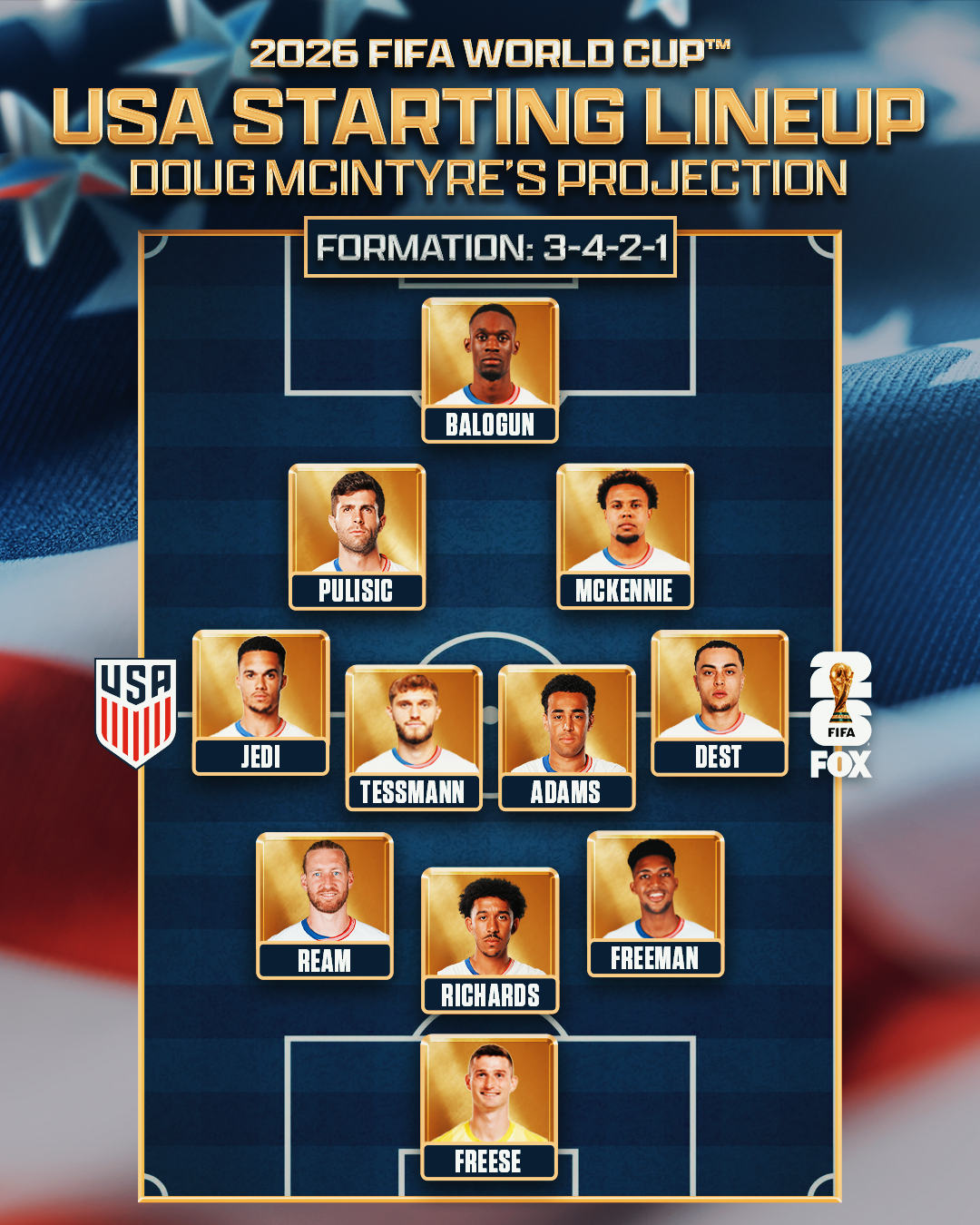
For the Americans, the current bracket structure offers a more manageable path than they have faced in recent history. While the competition remains elite, the combination of a favorable draw and an extra week of rest for primary contributors provides a distinct strategic edge as the tournament shifts toward the knockout rounds. The 2026 tournament, hosted jointly by the U.S., Mexico, and Canada, remains the largest in FIFA history, and local organizing committees in host cities like San Francisco and Los Angeles have reported high ticket demand as the knockout rounds approach, underscoring the public-safety and logistical planning required for these high-profile events.
Find more reporting in our News section.
