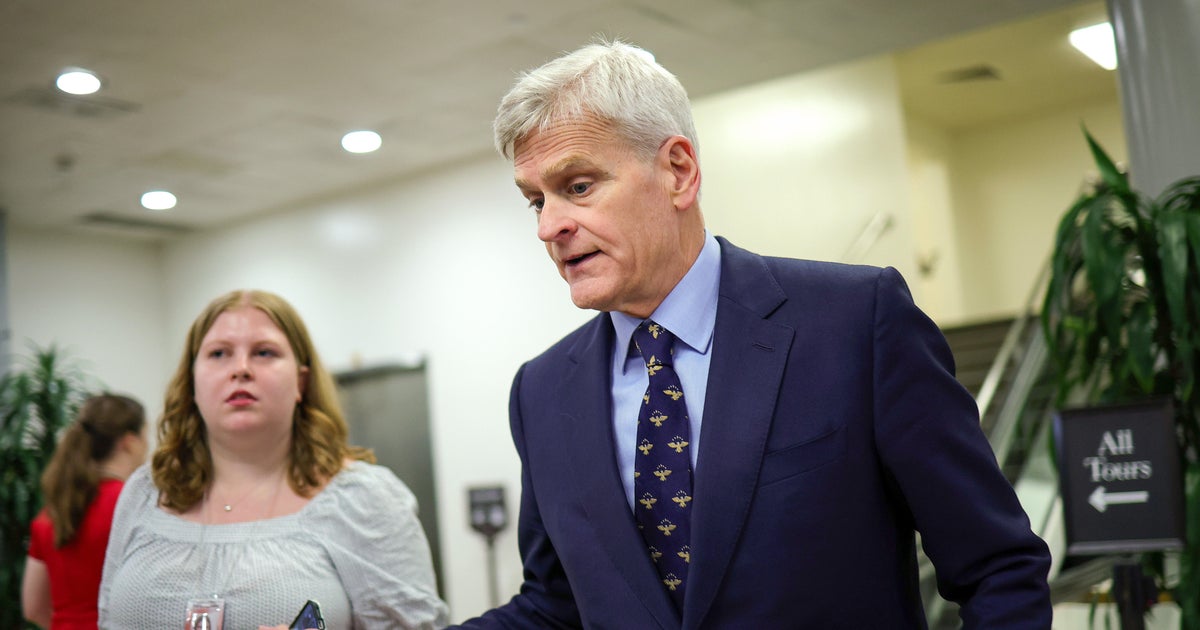
Senators File Legal Objections to Fund’s Constitutional Violations
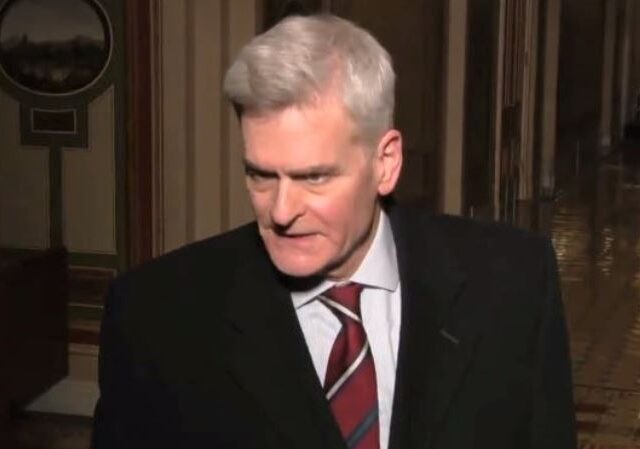
Sens. Bill Cassidy, a Louisiana Republican, and Cory Booker, a New Jersey Democrat, raised their objections to the fund in a friend-of-the-court brief filed with the court in eastern Virginia. A judge there temporarily blocked the Justice Department last week from taking any action regarding the program, including considering claims or disbursing funds, while she considers whether to grant longer-lasting relief. “The Anti-Weaponization Fund presents an immediate and dire threat to our constitutional order and the authority of Congress,” Cassidy and Booker wrote. “Indeed, among other purposes, the Fund is designed to compensate the insurrectionists who stormed the U.S. Capitol on January 6th.”https://www.cbsnews.com/news/bill-cassidy-cory-booker-anti-weaponization-fund-court/
The senators argued the fund violates the Constitution’s Spending, Appropriations, and Appointments Clauses. They “respectfully urge this Court to recognize that what is at stake in this litigation is not an ordinary dispute about executive spending authority or the boundaries of the clemency power. It is a question of whether the machinery of democratic government may be turned, by design and with explicit intent, against the democratic foundations it exists to serve.” The Justice Department announced the anti-weaponization fund last month as part of a deal to settle a civil lawsuit President Trump filed against the IRS in January over the leak of his tax returns by a former government contractor. The $1.7 billion fund aims to “provide a systematic process to hear and redress claims of others who suffered weaponization and lawfare,” according to the Justice Department.
Senate Republicans Reject Ban on Anti-Weaponization Fund
Meanwhile, Senate Republicans defeated a Democratic effort to ban the DOJ from creating the fund, with 49-50 votes. Three Republicans facing tough re-election races—Susan Collins, Jon Husted, and Dan Sullivan—joined Democrats to support the motion. Acting attorney general Todd Blanche told lawmakers under oath earlier this week that the department was “not moving forward with the fund,” but he refused to put it in writing. President Trump, meanwhile, admitted he didn’t know if the fund was dead or just on hold, calling it “a beautiful thing.”https://www.theguardian.com/us-news/live/2026/jun/04/us-politics-latest-news-midterm-elections-california-governor-results
The standoff highlights a broader political battle over the fund’s legitimacy. Critics argue it could reward individuals involved in the Jan. 6 Capitol assault, while supporters claim it addresses “lawfare” against Trump allies. The fund threatened to derail a $70 billion package to fund Immigration and Customs Enforcement and Border Patrol through a process known as reconciliation.
Trump’s Defense Production Act Funding for Coal Plants Ignites Environmental Opposition
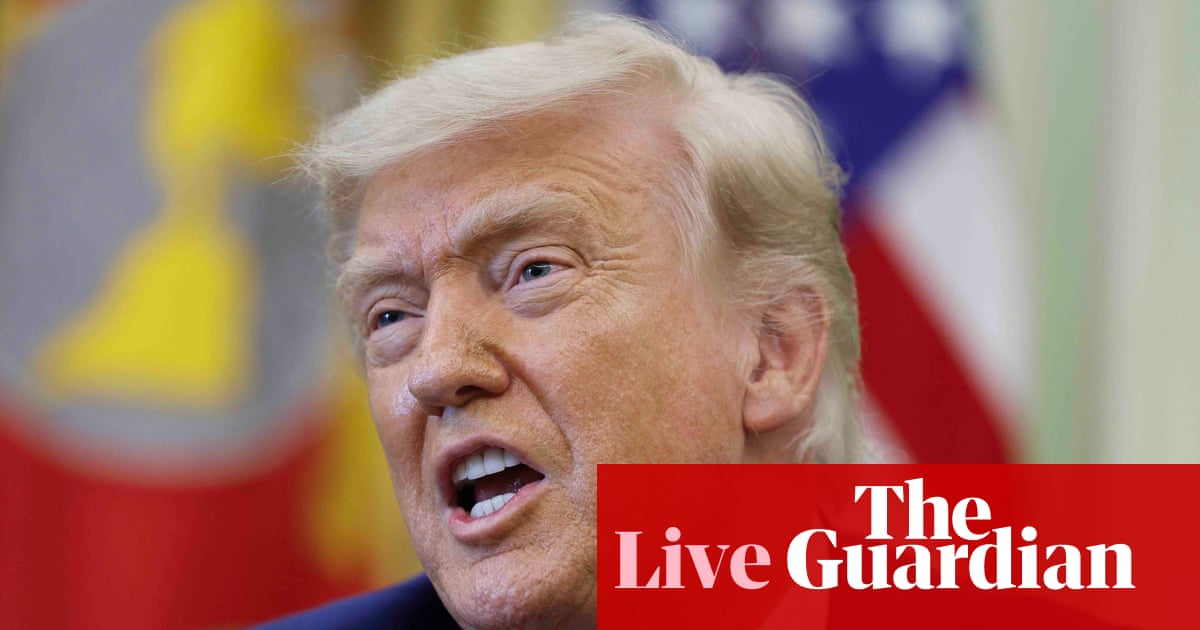
Beyond the legal and political wrangling, Trump is using a wartime presidential authority to hand $700m to coal-fired power plants in the U.S., the latest move by the president to bolster what he calls “beautiful clean coal” despite it being the dirtiest of fossil fuels. The president is using the Defense Production Act, a cold war-era statute used to accelerate American industrial output in times of national need, to provide grants to more than a dozen existing coal plants across the U.S., including facilities capable of exporting coal.https://www.theguardian.com/us-news/live/2026/jun/04/us-politics-latest-news-midterm-elections-california-governor-results
Environmental advocates condemned the move, noting that coal is the most carbon-dense fossil fuel and a leading cause of the climate crisis. Research has estimated that as many as 460,000 deaths in the U.S. from 1999 to 2020 were attributable to air pollution from coal plants alone. The administration has long been a champion of reviving the U.S.’s ailing coal industry, with today’s White House event featuring supportive governors and lawmakers from coal-rich states such as Wyoming and West Virginia.
Legal and Legislative Battles Intensify Over Fund’s Future
The legal challenge and Senate vote underscore a deepening divide over the fund’s purpose and legality. While the court’s temporary injunction pauses its implementation, the broader debate over executive power and congressional oversight remains unresolved. Republicans, including Cassidy and Sullivan, continue to push for amendments to block the fund without undermining the immigration bill. Meanwhile, Trump’s coal funding highlights his administration’s prioritization of fossil fuel interests, despite growing environmental and public health concerns.
The coming weeks will test whether the fund’s opponents can secure a lasting legal or legislative victory. For now, the battle over the anti-weaponization program and its implications for constitutional governance remains a flashpoint in America’s polarized political landscape.
