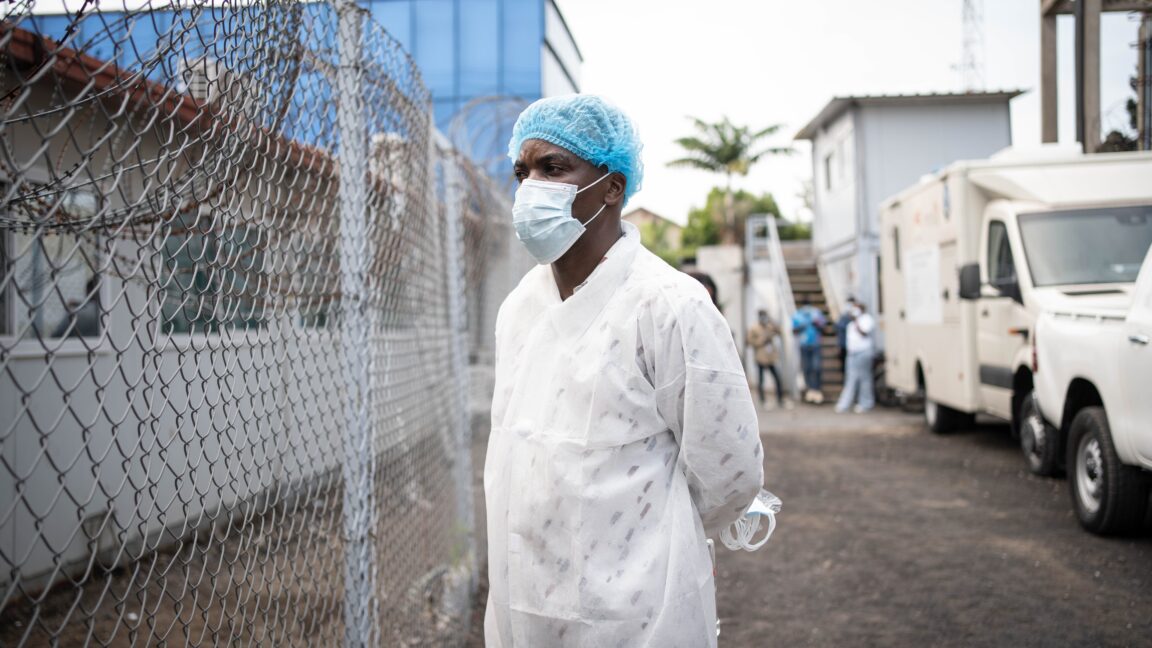
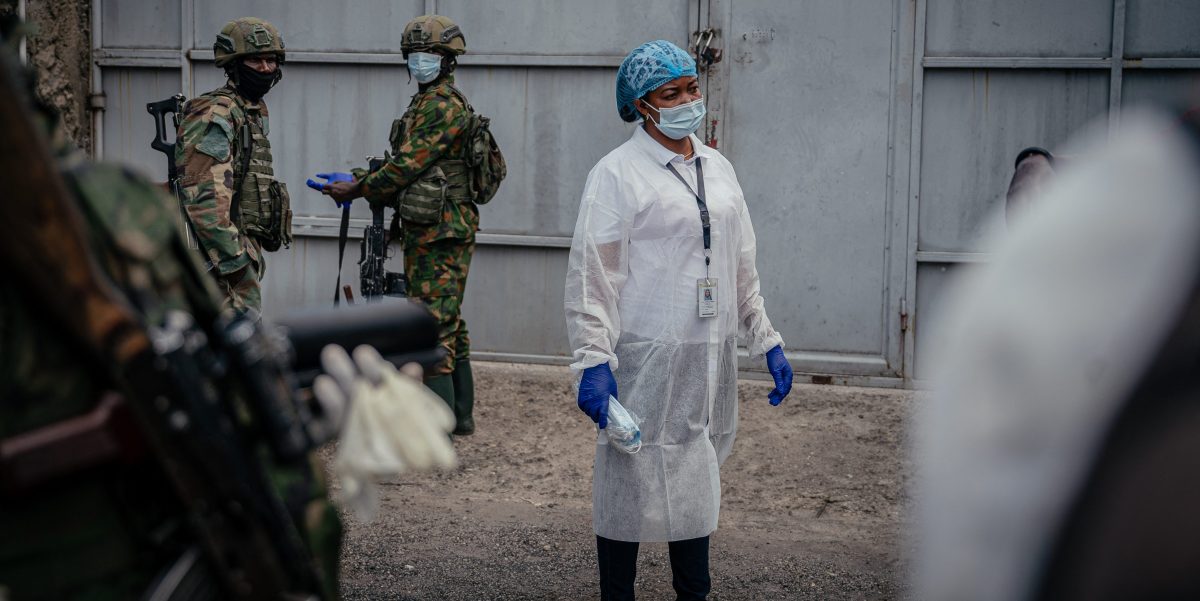
A rare, vaccine-resistant strain of Ebola has infected hundreds in the Democratic Republic of the Congo and Uganda, prompting the World Health Organization to declare a public health emergency. As of May 22, 2026, the U.S. administration has restricted travel from the region and diverted exposed Americans to hospitals in Germany and the Czech Republic.
A Rapidly Escalating Health Crisis in Central Africa
cluster (priority): theintercept.com
The current Ebola outbreak, centered in the Democratic Republic of the Congo (DRC) and Uganda, has reached a critical stage. First identified by the World Health Organization (WHO) on May 5, the outbreak involves the Bundibugyo strain—a rare variety of the virus for which there are no licensed vaccines or therapeutics. As of May 19, the DRC Ministry of Health reported more than 500 suspected cases and 130 suspected deaths.
Health officials warn that the true scale of the epidemic is likely higher. The virus has been spreading undetected in the conflict-ridden Ituri Province for weeks, if not months, according to reports from The Intercept. The region’s porous borders, ongoing insecurity, and dense population centers, including Kampala and Goma, have exacerbated the difficulty of contact tracing.
“I am deeply concerned about the scale and speed of the epidemic,” WHO Director-General Tedros Adhanom Ghebreyesus stated on May 19 during the 79th World Health Assembly, as noted by USA Today. WHO Representative in the DRC, Dr. Anne Ancia, described the situation as “deeply concerning,” highlighting the complexity of the humanitarian context marked by displacement and remote, insecure terrain.
Controversy Over U.S. Evacuation and Travel Restrictions
Former CDC director on the Ebola outbreak, travel bans, and the World Cup
The U.S. government’s response to the crisis has drawn sharp criticism from health experts and labor organizations. Amid the outbreak, the administration has implemented strict travel restrictions, barring non-citizens who have recently visited the DRC, Uganda, or South Sudan. While these measures aim to prevent domestic transmission, they have sparked a diplomatic and logistical firestorm.
Reports indicate that the administration recently declined to treat Ebola-exposed Americans within the United States, instead facilitating their transport to medical facilities in Germany and the Czech Republic. When pressed on the decision during a Wednesday press briefing, officials dodged questions regarding why these specific international locations were chosen or if domestic hospitals were bypassed, as reported by Ars Technica.
“Right now, what I would say is that the plans for these individuals that have moved were made based on the conditions on the ground, the need to rapidly mobilize—as you know, this was a very rapid set of circumstances that unfolded over the weekend. And so, what I can tell you right now: this is what the situation was and this is how we responded as quickly as we could.” — White House official at a Wednesday press briefing, via Ars Technica
The Africa CDC has openly challenged these travel barriers. In a statement released Tuesday, the organization argued that border closures often damage economies and drive movement toward unmonitored routes, potentially increasing health risks rather than mitigating them. Jean Kaseya, the Africa CDC director general, emphasized that global health security requires partnership and rapid investment in local preparedness rather than isolationist policies.
Criticism of Dismantled Public Health Infrastructure
cluster (priority): arstechnica.com
The outbreak has intensified the debate over the current administration’s public health strategy. Critics, including National Nurses United, argue that recent policies—specifically the dismantling of the U.S. Agency for International Development (USAID) and the withdrawal from the WHO—have left the nation ill-prepared to handle emerging infectious diseases.
The union asserts that the Office of Pandemic Preparedness and Response Policy remains understaffed and that the departure of seasoned scientists has left the CDC “flying blind.” These concerns are mirrored by broader observations that the U.S. has lost its pivotal role in global surveillance networks. While President Trump stated on Monday that he is “concerned” about the outbreak and noted that the virus is currently “confined right now to Africa,” the administration’s focus on border-centric security continues to clash with the recommendations of international health bodies.
As the situation in Ituri Province remains volatile, the international community faces a race against time. With no vaccine available for the Bundibugyo strain, the effectiveness of supportive care and the speed of the global response will determine the ultimate death toll of an epidemic that experts fear may already be spiraling beyond the reach of traditional containment efforts.
Dr. Nadia Rowe oversees medical, science, and wellness reporting. Holding a public-health doctorate and having contributed to Health Spectrum Review, she bridges scientific rigor with accessible communication. Her mission: make accurate health information available to everyone.