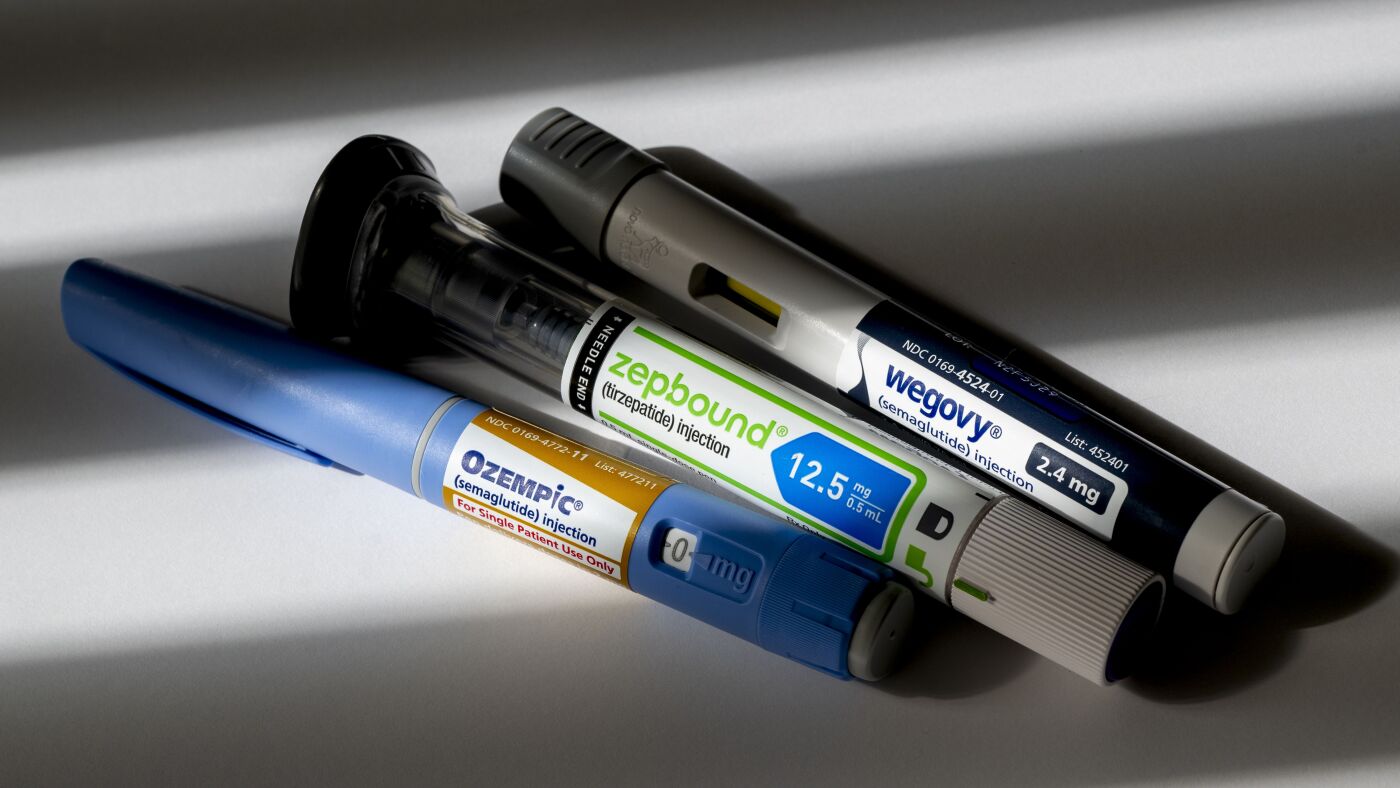
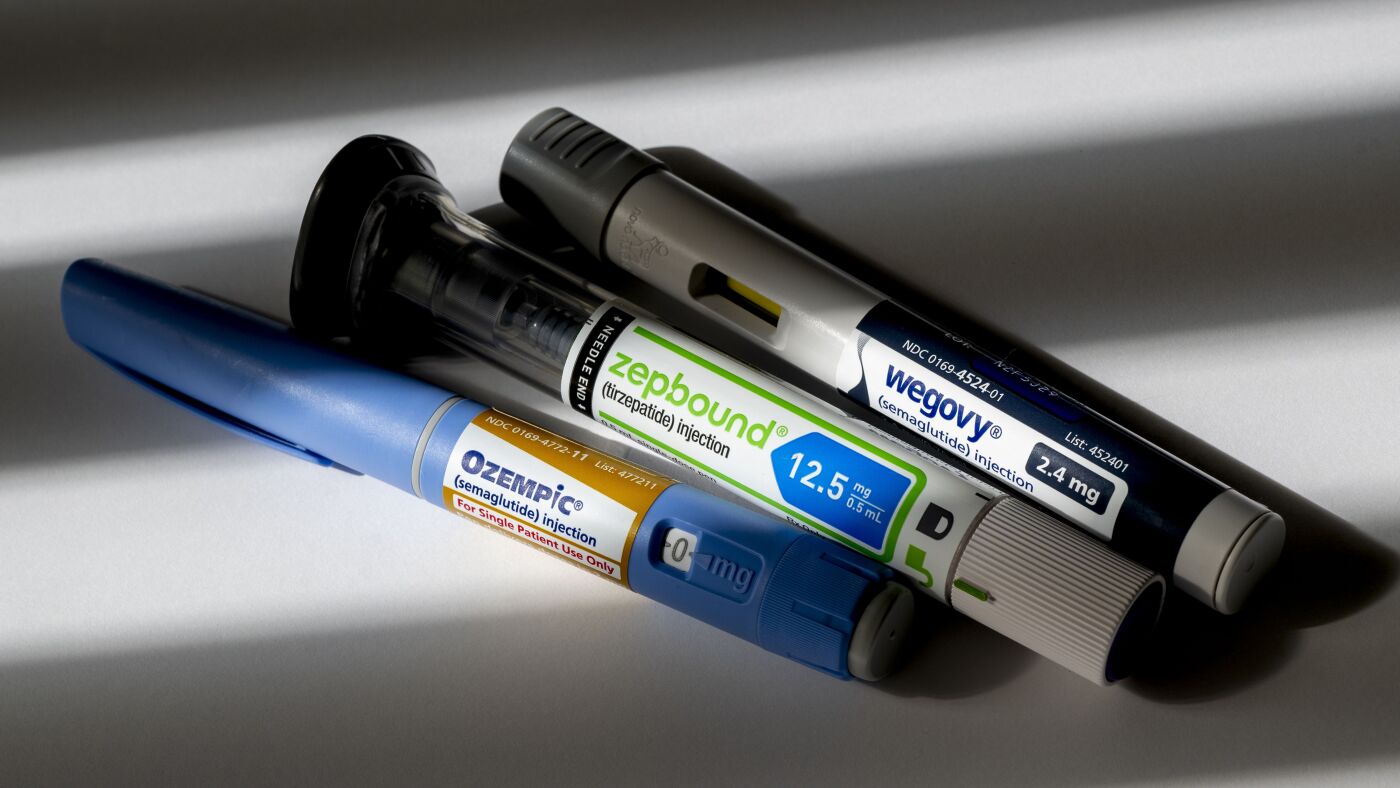
GLP-1 drugs like Ozempic and Wegovy may cut cancer risk by up to 58% in certain tumors, according to four major studies presented at the 2026 American Society of Clinical Oncology meeting. The findings—spanning breast, endometrial, lung, and liver cancers—suggest these obesity treatments could have unexpected anti-cancer benefits beyond weight loss.
A landmark study of over 229,000 obese, non-diabetic patients found that those taking GLP-1 medications had a 41% lower overall risk of developing obesity-related cancers, with endometrial cancer risk dropping by 58%—a reduction so dramatic it could reshape clinical guidelines if confirmed. Meanwhile, a separate analysis of 110,000 women showed a 30% lower breast cancer risk among GLP-1 users, an effect that persisted even after accounting for weight loss alone.
Why the Numbers Matter: A 58% Drop in Endometrial Cancer
Endometrial cancer is rising fastest in younger women, and obesity is its strongest risk factor. Yet the 58% risk reduction observed in GLP-1 users—published in Annals of Oncology—outstrips what diet or surgery alone can achieve. “That is the kind of number that, in any other context, would already be driving clinical guidelines,” said Dr. Aparna Kamat, senior author of the study and director of Gynecologic Oncology at Houston Methodist Hospital. The effect was so pronounced that researchers are now designing prospective trials to test whether GLP-1s could become a preventive tool.
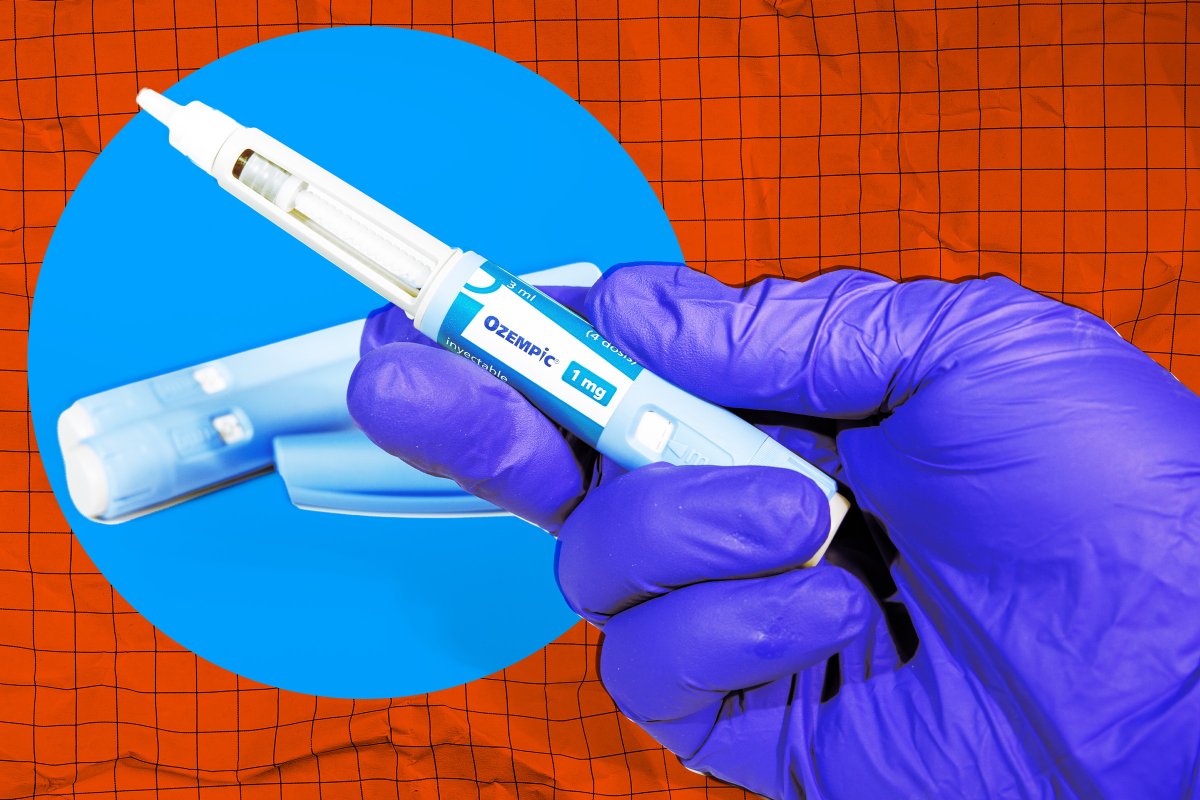
Kamat’s team analyzed data from December 2014 to June 2025, comparing 38% of participants who took GLP-1s (semaglutide or tirzepatide) against 62% who received only diet and exercise counseling. The 41% overall reduction in obesity-related cancers—including colorectal, liver, and lung—was consistent across both groups, but the endometrial cancer finding stood out. “Endometrial cancer is rising fastest in younger women, it is tightly linked to obesity, and we have almost nothing to offer for prevention,” Kamat noted. “If this holds up, it changes how we think about this disease entirely.”
Yet the mechanism remains unclear. While weight loss likely plays a role—obesity drives inflammation linked to cancer—some effects appear independent. “Separating them is one of the most important questions in the field right now,” Kamat said. “We know GLP-1 receptors are expressed directly on certain cancer cells, meaning the drug could be acting on the tumor itself, not just shrinking the patient.”
Beyond Obesity: Lung Cancer Risk Drops 50%—Even Without Weight Ties
One of the most surprising findings came from a study of 10,000 early-stage cancer patients, where GLP-1 use reduced the risk of progressing to Stage IV lung cancer by half—from 22.3% in non-users to 10% in users. Lung cancer is not typically obesity-related, yet the effect was statistically significant. “A 50% reduction is extraordinary,” said Dr. Gilberto de Lima Lopes, chief of medical oncology at Sylvester Comprehensive Cancer Center. “If that holds up in prospective studies, it changes how we think about this disease entirely.”
For more on this story, see GLP-1 Drugs Like Ozempic May Cut Breast Cancer Risk by 30%-New Data Sparks Hope.
NPR reported that the ASCO meeting highlighted four studies linking GLP-1s to lower risks across six of seven cancers tested, with breast, liver, colorectal, and non-small cell lung cancers showing the strongest reductions. The drugs—originally developed for diabetes—work by regulating hunger hormones, but their broader metabolic effects may include anti-inflammatory actions that suppress tumor growth. “It ties into a body of knowledge about exercise and healthy lifestyles after a cancer diagnosis,” said Dr. Julie Gralow, ASCO’s chief medical officer.
However, experts stress that these are observational studies, not proof of causation. “We are not ready to say these drugs prevent cancer,” Kamat cautioned. “But we are ready to say this finding demands a serious answer.” Given that hundreds of millions now take GLP-1s for obesity or diabetes, even a modest reduction could have major public health implications.
Breast Cancer: A 30% Risk Reduction—But How?
A study of 111,646 women aged 45–80 found that those on GLP-1s had a 30% lower breast cancer risk, a result that held even after adjusting for weight loss. “The weight loss alone just didn’t account for the magnitude of the observed effect,” said Elizabeth McDonald, a radiologist at the University of Pennsylvania and lead author of the research, presented at ASCO. The team is now launching a multisite clinical trial to test whether GLP-1s could prevent breast cancer in high-risk women.
This follows our earlier report, GLP-1 Medications Linked to Cancer Risk Reduction.
McDonald’s findings align with earlier research showing GLP-1 users had lower cancer recurrence and death rates. Yet the question remains: Are these drugs working through weight loss, direct anti-tumor effects, or both? “We don’t know for sure if these results will hold up in a randomized clinical trial,” said Bernard Fuemmeler, coauthor of the breast cancer study and associate director at VCU Massey Comprehensive Cancer Center. “But the mechanisms are ripe for investigation.”
What Happens Next: Trials, Guidelines, and Public Health
The next phase will be rigorous testing. ASCO and other groups are calling for randomized controlled trials to confirm whether GLP-1s can prevent cancer—or if the observed effects are simply a byproduct of sustained weight loss. “Given the rapidly increasing use of these medications, even a modest reduction in cancer incidence could have important public health implications,” Kamat said.
If confirmed, the implications could be profound. GLP-1s are already among the most prescribed drugs in the U.S., with semaglutide (Ozempic/Wegovy) and tirzepatide (Mounjaro/Zepbound) seeing explosive growth. The FDA approved Wegovy for chronic weight management in 2021, and Mounjaro for type 2 diabetes in 2022, with off-label use for obesity surging since. If these drugs prove to have anti-cancer benefits, they could become a cornerstone of preventive care—especially for obesity-related cancers, which account for 13 types.
Read also: Breakthrough drug cuts muscle loss by 55% in GLP-1 weight-loss users.
Yet challenges remain. Cost is a barrier—Wegovy and Mounjaro can cost over $1,000 per month without insurance. Access disparities could widen if these drugs become a cancer-prevention standard. And while the data is promising, “we are not ready to say these drugs prevent cancer,” Kamat repeated. “But we are ready to say this finding demands a serious answer.”
For now, the takeaway is clear: GLP-1s may offer more than weight loss. But the story is far from over.
Note: This article synthesizes findings from four sources: AOL, NPR, Futurism, and SciTechDaily. All studies are observational and require further confirmation.
Find more reporting in our Health section.
