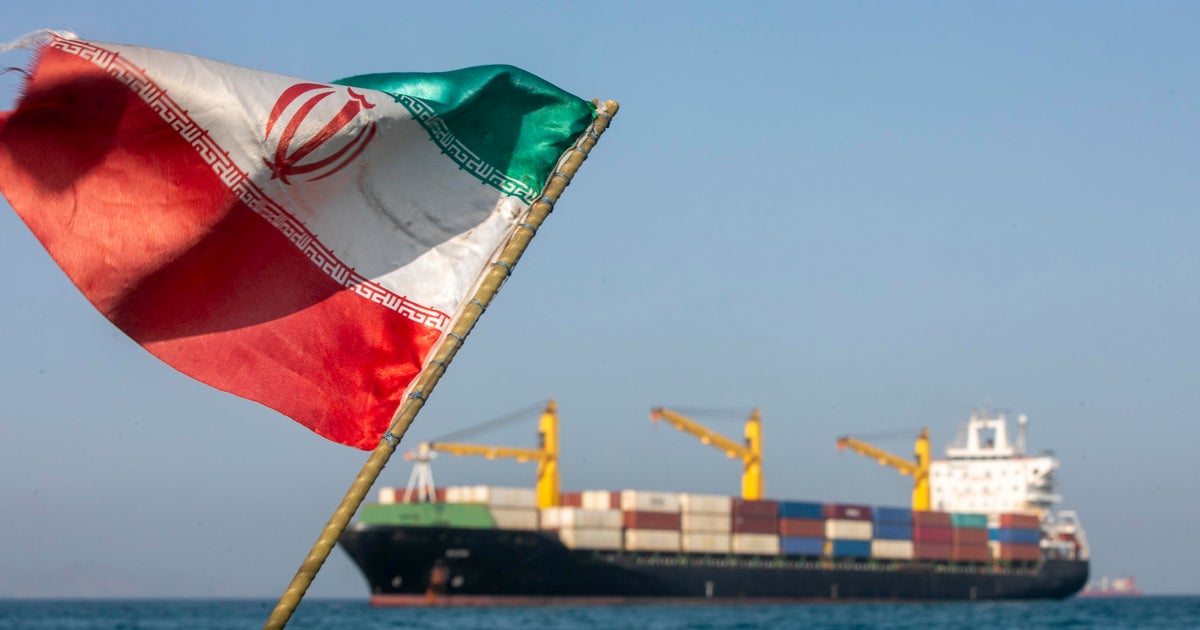
Secretary of State Marco Rubio warned that a United Nations Security Council resolution on the Strait of Hormuz would be “lamentable” if blocked, as Iran’s ambassador criticized the draft as “deeply flawed” amid stalled U.S.-Iran peace talks.
UN Resolution at Center of Negotiations
The draft resolution, tabled by Bahrain, demands Iran halt attacks on vessels in the Strait of Hormuz and address sea mine placements, while calling for the removal of tolls on commercial ships. Rubio, speaking ahead of NATO talks in Sweden, noted the measure had “the highest number of co-sponsors of any resolution ever” at the Security Council but warned that “a couple of countries” might veto it. “That would be lamentable,” he said, adding, “We are doing everything we can to achieve global consensus.”
“Let’s see if the United Nations still works.”
Iran’s Response to Resolution
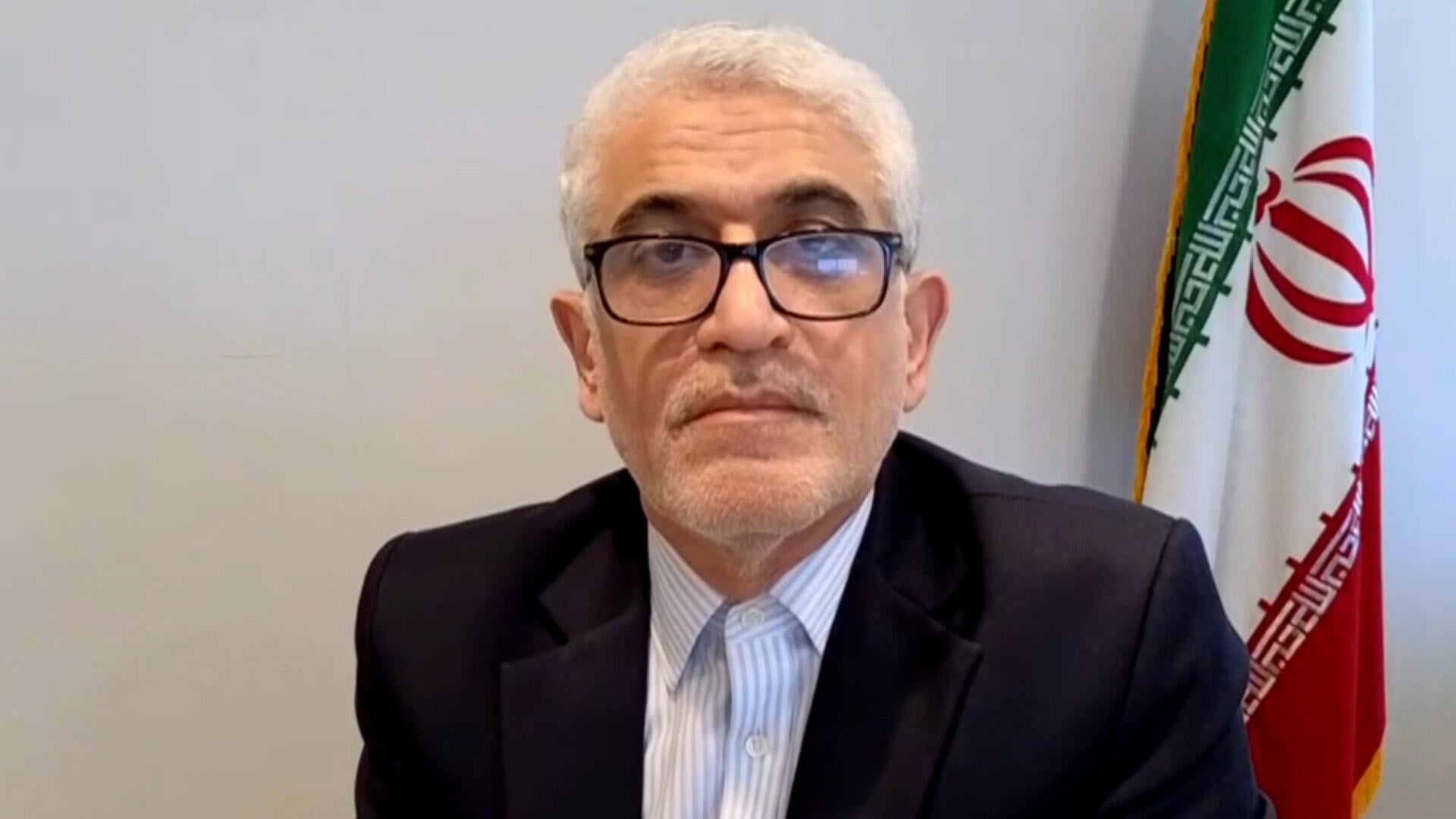
Iran’s Ambassador Amir Saeid Iravani denounced the draft as “deeply flawed and one-sided,” arguing that the crisis in the strait stems from the U.S.-Israeli war and the blockade of Iranian ports. He claimed the solution requires a permanent end to hostilities, a stance echoed by Iran’s state media, which emphasized the need for a “permanent cessation of the U.S.-Israeli conflict” to resolve the maritime tensions.
The resolution, which faced a veto last month from China and Russia, has drawn support from nearly every Security Council member, according to Rubio. “If they haven’t, I’m sure they soon will because I don’t know of anyone in the world that should be in favor of a tolling system in an international waterway,” he said, referencing the economic pressure on shipping routes.
Trump’s Stance on Negotiations
U.S. President Donald Trump reiterated that negotiations between the U.S. and Iran are “largely negotiated,” with a focus on a 60-day ceasefire extension to reopen the Strait of Hormuz. However, he instructed negotiators not to “rush” into a deal, citing the need for careful diplomacy. “Time is on our side,” he tweeted, signaling a cautious approach to the fragile talks.
Trump’s office emphasized that the U.S. seeks a “lasting solution” to the crisis, but the administration remains wary of Iran’s demands. The president’s remarks come as Israel has launched strikes against Iranian targets following the collapse of earlier negotiations, escalating regional tensions.
Challenges to Global Consensus
The resolution’s path to passage remains uncertain, with China and Russia’s potential vetoes threatening to undermine the effort. Rubio’s comments highlight the deepening rifts within the Security Council, where geopolitical rivalries complicate efforts to address the strait’s volatility. “Almost every country represented here today” has co-sponsored the measure, he said, but “a couple of countries” remain resistant.
The U.S. has emphasized the strategic importance of the Strait of Hormuz, a critical artery for global oil trade, as the backdrop for the negotiations. With tensions between Iran and its adversaries at a boiling point, the resolution’s fate could determine the region’s stability in the coming months.
<p