U.S. Military Strikes on Iranian Infrastructure
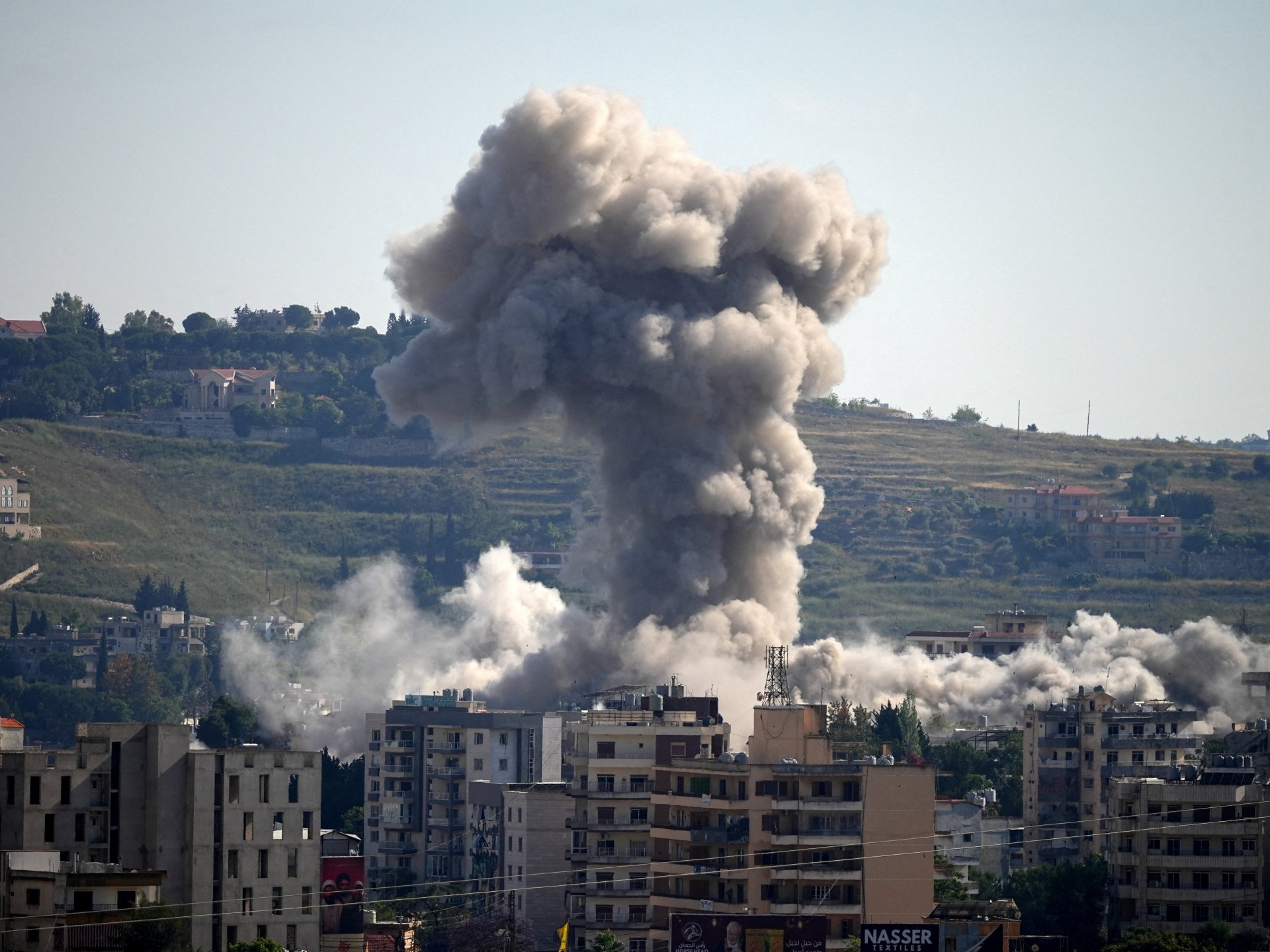
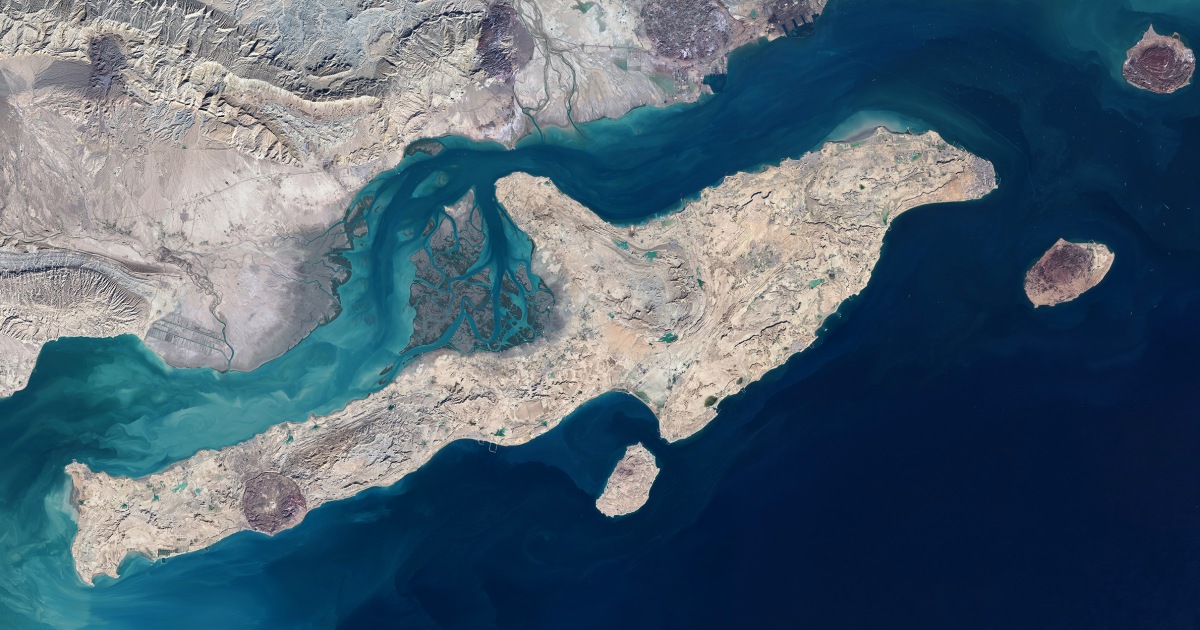
The current cycle of violence represents a volatile breakdown of a weekslong ceasefire between the U.S. and Iran. According to United States Central Command, the American military initiated the latest round of hostilities on Saturday and Sunday. The strikes targeted Iranian radar and drone control infrastructure, specifically identifying locations near the city of Goruk and Qeshm Island.
Military officials framed these actions as a direct response to the loss of a U.S. MQ-1 Predator drone over international waters. In a statement released on X, Central Command detailed the tactical necessity of the mission:
“The measured and deliberate strikes occurred … in response to aggressive Iranian actions that included the shootdown of a U.S. MQ-1 drone that was operating over international waters.”Central Command, U.S. Military
The U.S. military further asserted that its fighter aircraft successfully eliminated Iranian air defenses and a ground control station, along with two one-way attack drones. The Pentagon maintained that these specific assets “that posed clear threats to ships transiting regional waters” were the primary targets of the operation, confirming that no American service members were harmed during the engagement.
Kuwait Under Fire Amid Regional Instability
The conflict spilled into neighboring territory early Monday when Kuwaiti forces reported intercepting incoming fire. The Kuwaiti army stated it was “currently responding to hostile missile and drone threats” as air defense systems engaged targets over the country. While the Kuwaiti statement did not explicitly identify the origin of the projectiles, the nation hosts U.S. Army Central, the forward command post for the Mideast.
Iran’s Revolutionary Guards (IRGC) provided a different account of the day’s events. Through the state-run IRNA news agency, the IRGC claimed that U.S. forces had previously targeted a telecommunications tower on Sirik Island in Hormozgan province. The Iranian military stated that its aerospace force subsequently targeted the source of that attack, though it stopped short of confirming the specific location of its retaliatory strike.
The rhetoric from Tehran remains aggressive. In a statement carried by Iranian state media, the IRGC warned that if U.S. attacks persist, the Iranian response would be “completely different” and that Washington would be held responsible for the resulting consequences.
Stalled Diplomacy and the Strait of Hormuz
The ongoing military exchanges have placed immense pressure on negotiations regarding Iran’s nuclear program and the future of regional security. Since the war launched on Feb. 28, the fighting has claimed the lives of thousands, including 13 U.S. service members. The conflict has also triggered a significant spike in global energy prices, largely because Iran has maintained a blockade on the Strait of Hormuz. Before the war, this narrow chokepoint facilitated the transit of one-fifth of the world’s oil and natural gas supplies.
Despite the violence, both the U.S. and Iran maintain that high-level negotiations are ongoing. President Donald Trump, addressing critics of the slow pace of these talks, urged patience on social media early Monday, telling them to “just sit back and relax.”
The President’s position on the terms for a potential deal remains firm. As reported by NBC News, Trump has demanded that Iran guarantee it will never possess a nuclear weapon. Additionally, the administration insists that the Strait of Hormuz must be reopened for “unrestricted shipping traffic, in both directions,” and that any mines currently deployed in the waterway must be destroyed.
The Diplomatic and Military Outlook
The diplomatic situation is further complicated by the broader theater of war. As The Associated Press notes, fighting continues to escalate as Israel extends its military operations in Lebanon beyond the Litani River, while Hezbollah continues to launch drones into Israel. These overlapping conflicts have created a complex web of threats that makes a singular ceasefire agreement increasingly difficult to secure.
The IRGC’s stance, as seen on state television, highlights the ideological intensity of the standoff. Footage of a ballistic missile launch included a sticker depicting a bruised President Trump overlaid on a map of a closed Strait of Hormuz, accompanied by the defiant caption: “Until the last American soldier leaves the region.”
For now, the situation remains fluid. With France requesting an emergency UN Security Council meeting regarding the regional expansion of the war, as highlighted by Al Jazeera, the international community is bracing for the possibility of further escalation. The coming days will likely determine whether the current cycle of tit-for-tat strikes leads to a broader confrontation or if the parties can return to the negotiating table before the fragile ceasefire collapses entirely.
