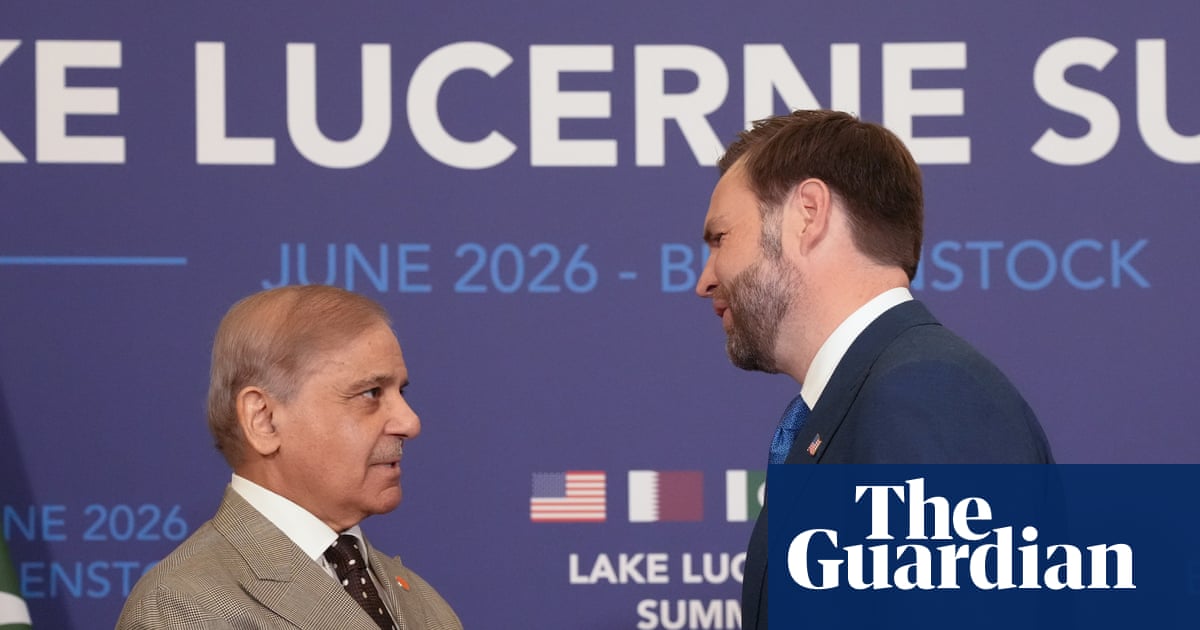
Vice President JD Vance arrived in Switzerland on Sunday, June 21, 2026, to lead high-stakes technical negotiations with Iranian officials aimed at salvaging a fragile interim peace deal. The talks, held at a resort in Bürgenstock, follow renewed Iranian threats to close the Strait of Hormuz and escalating conflict in Lebanon.
Diplomatic Tensions at the Bürgenstock Resort
The arrival of the U.S. delegation, which includes special envoy Steve Witkoff and Jared Kushner, marks a critical juncture for the memorandum of understanding signed by Donald Trump in Paris last week. According to NBC News, the delegation is set to meet with senior Iranian representatives to discuss technical implementation. The Iranian contingent is led by the speaker of parliament, Mohammad Bagher Ghalibaf, and includes officials from Iran’s oil and central bank sectors, signaling Tehran’s focus on the economic components of the agreement.
The atmosphere surrounding the summit is fraught with internal discord. As The Guardian reports, a public dispute has erupted in Tehran between those advocating for a deal and hardline critics who view the negotiations as fundamentally compromised. One vocal opponent, Mahmoud Nabavian, appeared on state television to claim the current talks are “fundamentally different” from conditions previously approved by the supreme leader, Mojtaba Khamenei. Following the broadcast, Iranian authorities reportedly initiated legal action against Nabavian.
In diplomatic terms, the Bürgenstock summit serves as a “technical working group,” a standard procedural step in international relations designed to translate high-level political agreements into enforceable, clause-by-clause administrative actions. Such meetings are typically characterized by intense, closed-door sessions where legal teams and financial experts attempt to reconcile conflicting language in a treaty before a final ratification. The presence of central bank officials suggests that the discussions are heavily focused on the lifting of sanctions and the unfreezing of Iranian financial assets, which Tehran has long cited as a prerequisite for regional de-escalation.
Strait of Hormuz and the “Guardian Angel” Tolls
A central point of contention is the status of the Strait of Hormuz. While the U.S. and Iran had previously agreed to a 60-day ceasefire, Iranian state-affiliated media, including Fars News Agency, reported on Sunday that the waterway remains closed by the Revolutionary Guards Navy in retaliation for Israeli strikes in Lebanon. The U.S. military has disputed these claims, maintaining that commercial traffic remains operational.
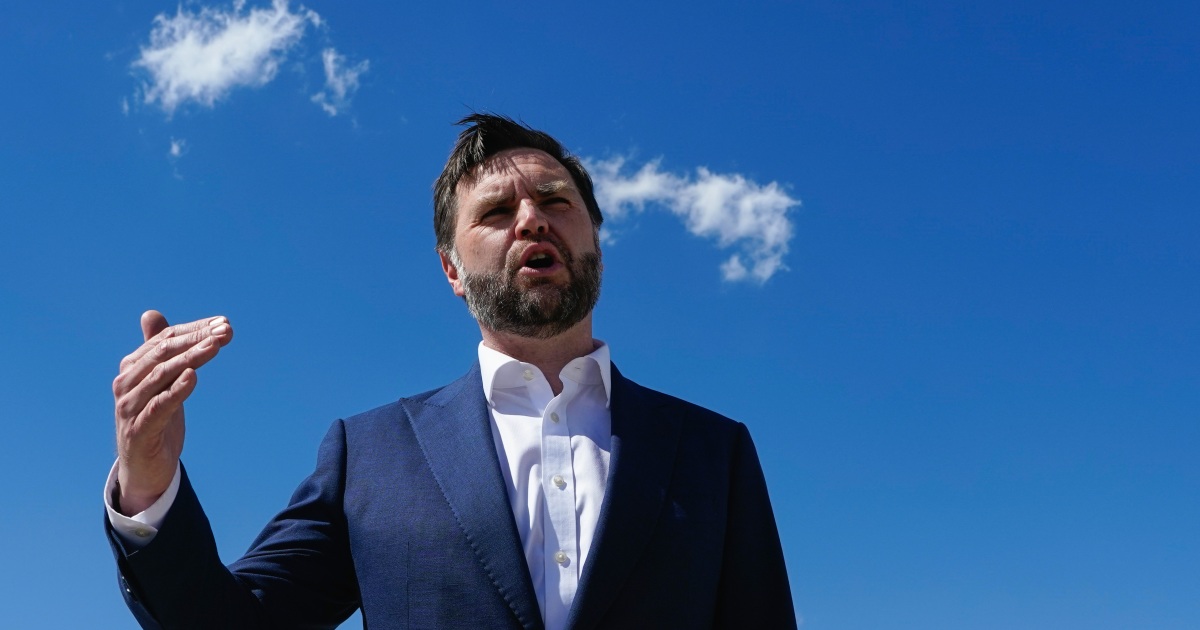
President Trump escalated the rhetoric on Saturday via Truth Social, threatening that the U.S. would impose “NO TOLLS” on the strait unless those fees were collected by the United States. Trump referred to the U.S. as the “Guardian Angel” of the Middle East, a stance that adds significant pressure to the ongoing technical negotiations. The Strait of Hormuz is recognized globally as one of the world’s most critical maritime chokepoints, through which a significant percentage of the world’s liquefied natural gas and oil transit daily. International maritime law, specifically the UN Convention on the Law of the Sea, generally guarantees “transit passage” through such straits, but Iran has historically challenged these norms, leading to recurring naval standoffs with Western coalitions.
The Lebanon Factor: A Deal Under Pressure
The conflict in Lebanon has emerged as a primary threat to the agreement’s survival. Iran’s foreign ministry spokesperson, Esmaeil Baghaei, stated that the failure to implement the first clause of the memorandum—which mandates a ceasefire on all fronts, including Lebanon—calls the entire agreement into question. “What was achieved in the negotiations is completely different from what was supposed to be done and was a condition for the legitimacy of the negotiations,” Baghaei told Iranian media.
“I think we’re going to hopefully make progress on the nuclear issue, make progress on the Lebanon ceasefire issue. Those are the two big things that I think we’re to be focused on.”
Despite the skepticism from Tehran, Vance signaled a measured optimism before departing for Switzerland, claiming the situation in Lebanon had “calmed down” even as reports of violence continued. On the ground, the Israel Defense Forces reported that Hezbollah launched over 50 projectiles into southern Lebanon overnight. Hezbollah, in turn, accused Israel of fabricating violations to sabotage the U.S.-Iran deal. This dynamic reflects the historical difficulty of “de-linking” regional proxy conflicts from bilateral negotiations between Washington and Tehran. Analysts often observe that ceasefires in this region are prone to collapse if they do not account for the actions of non-state actors operating independently of their state sponsors.
Next Steps in the Quadrilateral Talks
The schedule for the coming days remains fluid. Iranian officials plan to meet with mediators from Pakistan and Qatar on Sunday morning, followed by a four-way meeting involving the U.S. delegation in the afternoon. The presence of Pakistani Prime Minister Shehbaz Sharif and army chief Field Marshal Syed Asim Munir underscores the regional involvement in the process. Pakistan’s role as a mediator is historically significant, as Islamabad frequently serves as a neutral conduit for communication between Tehran and Western powers when direct diplomatic channels are strained.

For Vance, the window for direct involvement is narrow. He indicated he would likely participate in the talks only “for a day or two.” Whether these discussions can reconcile the conflicting interpretations of the ceasefire and stabilize the flow of oil through the Strait of Hormuz remains the primary variable for the week ahead. Should the talks conclude without a formal memorandum of implementation, the diplomatic process risks a return to the status quo ante, where unilateral actions—such as the closure of the strait or continued projectile fire—take precedence over negotiated settlements. The outcome of the Bürgenstock meetings will likely dictate the tone of the broader U.S.-Iran relationship for the remainder of the summer.
Find more reporting in our News section.
