FIFA denies selling football as UEFA threatens World Cup boycott
UEFA and CONCACAF have rejected FIFA's proposal to sell stakes in a new commercial entity, leading UEFA to threaten a boycott of all World Cup tournaments.
- Headline Dispatch: FIFA denies selling football as UEFA threatens World Cup boycott
- Core Takeaway: UEFA and CONCACAF have rejected FIFA's proposal to sell stakes in a new commercial entity, leading UEFA to threaten a boycott of all World Cup tournaments.
- Source Synthesis: Continuous live monitoring aggregated across major news wires and independent bureaus.
FIFA denies selling football as UEFA threatens World Cup boycott
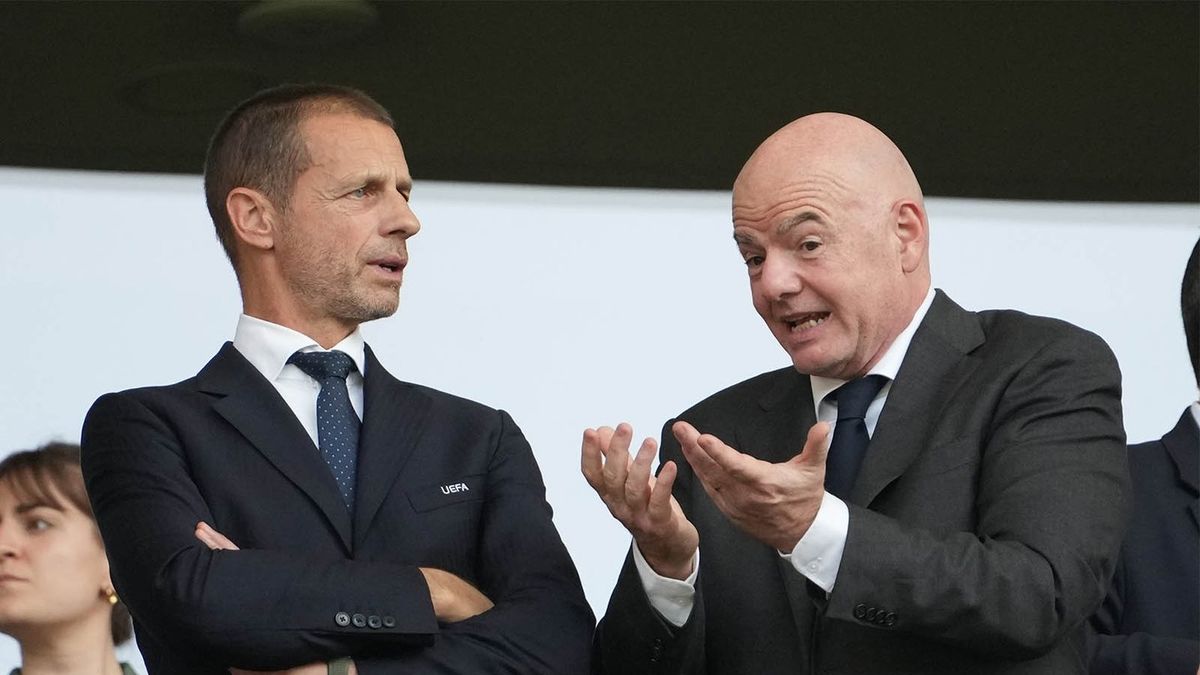
FIFA has responded to threats from European football's governing body to boycott all World Cup tournaments following a proposal to sell stakes in a new commercial entity to private investors. Despite the backlash, the global governing body insists nobody is selling football
and intends to proceed with a consultation process.
The conflict centers on the proposed creation of FIFA Forward Enterprise (FFE), a commercial subsidiary responsible for major events, including the World Cup. FIFA president Gianni Infantino announced on Tuesday that the organization plans to sell stakes in this venture. Reports indicate a US-based investor group led by Thrive Capital, owned by Joshua Kushner, is expected to lead the effort to secure a minority stake.
Infantino aims to raise over $20 billion through this private investment route. To garner support, he has reportedly promised $40 million to national associations that back the plan by September 19.
UEFA's 55 member associations reacted with a unanimous and unequivocal rejection. Following an emergency meeting on Thursday, UEFA stated that no national teams will participate in any FIFA competition—including both men's and women's World Cups—unless the proposal is abandoned in its entirety and binding assurances are provided that FIFA will never again open competitions or governance to private ownership.
"The World Cup cannot be treated as an investment product."
UEFA, via official statement
UEFA further asserted that the World Cup is one of football's greatest sporting legacies and The World Cup is not for sale.
The opposition extends beyond Europe. CONCACAF, representing 41 nations from North and Central America and the Caribbean, has also rejected the proposal. European and world leagues have reportedly expressed opposition as well, citing fears that commercial pressures could lead FIFA to organize more frequent and larger tournaments, which would disrupt domestic schedules.
FIFA responded on Friday morning, claiming that incorrect media reports disrupted its planned consultation. The governing body argued that no single entity can claim to represent all 211 member associations and that each association should have the right to review the proposal to shape its own future.
FIFA maintains that the FFE proposal is a starting point for discussion and could be amended, rejected, or approved. The organization claims the plan is based on principles of democratic process, global ownership of commercial opportunities, and unprecedented development funding.
The dispute has drawn political attention. EU Sports Commissioner Glenn Micallef expressed support for UEFA's stance on X and, on July 29, threatened to launch an investigation into whether FIFA's proposal breaches competition law.
The immediate impact of the boycott may be felt soon. The first leg of the UEFA Women's World Cup play-offs, featuring teams such as England, are scheduled for October. Additionally, the U-20 World Cup in September could serve as the first test of UEFA's commitment to the boycott.
While FIFA needs the support of a majority of its 211 member associations to implement the plan, it faces a significant bloc in Europe, where member nations have won the majority of World Cups. In response to the crisis, reports from Politico indicate that several UEFA officials are planning to nominate an opposition candidate to replace Gianni Infantino when his term ends next year.
UEFA vice-president Laura McAllister told the BBC that the governing body had no choice other than issue a threat commensurate with this dreadful, catastrophic proposal
. She further accused FIFA of using monetary offers to member associations as a form of blackmail financially
, though she noted she remained optimistic the proposal would not move forward.
How significant is this development?
Participate in our community survey on the trajectory and real-world impact of this news.