Iran launches retaliatory strikes across Gulf after heavy US military hits
Following U.S. strikes on 140 Iranian military targets, Tehran launched retaliatory attacks across Bahrain, Kuwait, Qatar, Jordan, and Oman. The escalation threatens regional stability and disrupts maritime traffic in the Strait of Hormuz.
- Headline Dispatch: Iran launches retaliatory strikes across Gulf after heavy US military hits
- Core Takeaway: Following U.S. strikes on 140 Iranian military targets, Tehran launched retaliatory attacks across Bahrain, Kuwait, Qatar, Jordan, and Oman. The escalation threatens regional stability and disrupts maritime traffic in the Strait of Hormuz.
- Source Synthesis: Continuous live monitoring aggregated across major news wires and independent bureaus.

Regional tensions escalated sharply on Sunday, 12 July 2026, following a widespread exchange of fire between the United States and Iran. The conflict, centered on the Strait of Hormuz, intensified after U.S. Forces launched what officials described as their heaviest strikes in months against Iranian military infrastructure.
The U.S. Military’s Central Command reported conducting operations against some 140 targets across Iran, including missile and drone launch sites, naval assets, ammunition dumps, and communication centers. The strikes followed an attack by the Islamic Revolutionary Guard Corps (IRGC) on a Cyprus-flagged container ship, the GFS Galaxy, which suffered significant engine room damage after being hit by Iranian fire. One crew member remains missing after the ship's crew abandoned the vessel. The IRGC asserted that the ship was targeted for failing to follow an approved maritime route.
Iranian officials responded to the U.S. Strikes by launching a series of missile and drone attacks targeting locations in Bahrain, Kuwait, Qatar, Jordan, and Oman. In Qatar, the Ministry of Interior reported that three people, including a child, sustained injuries from falling shrapnel. In Jordan, three Iranian missiles caused minor damage but resulted in no casualties. Kuwait’s military reported damage to land border posts and an offshore drilling platform, where one worker was wounded. Authorities in the United Arab Emirates and Bahrain also activated air defense systems as missile alerts sounded across their territories.
The IRGC claimed responsibility for the retaliatory measures, stating they had targeted U.S. Military infrastructure, including a radar site in Kuwait and a command-and-control center at Prince Hassan Air Base in Jordan. The Iranian military argued these actions were a necessary response to U.S. Attempts to force commercial traffic through routes they deem unauthorized.
The waterway remains a critical focus of the conflict. Before the war, nearly a fifth of the world's traded oil and natural gas transited through the strait. While Iran has moved to enforce its own management of the passage, the U.S. Maintains the strait remains open. Iran has declared the waterway closed until further notice, and IRGC officials have warned that continued U.S. Aggression would be met with further responses.
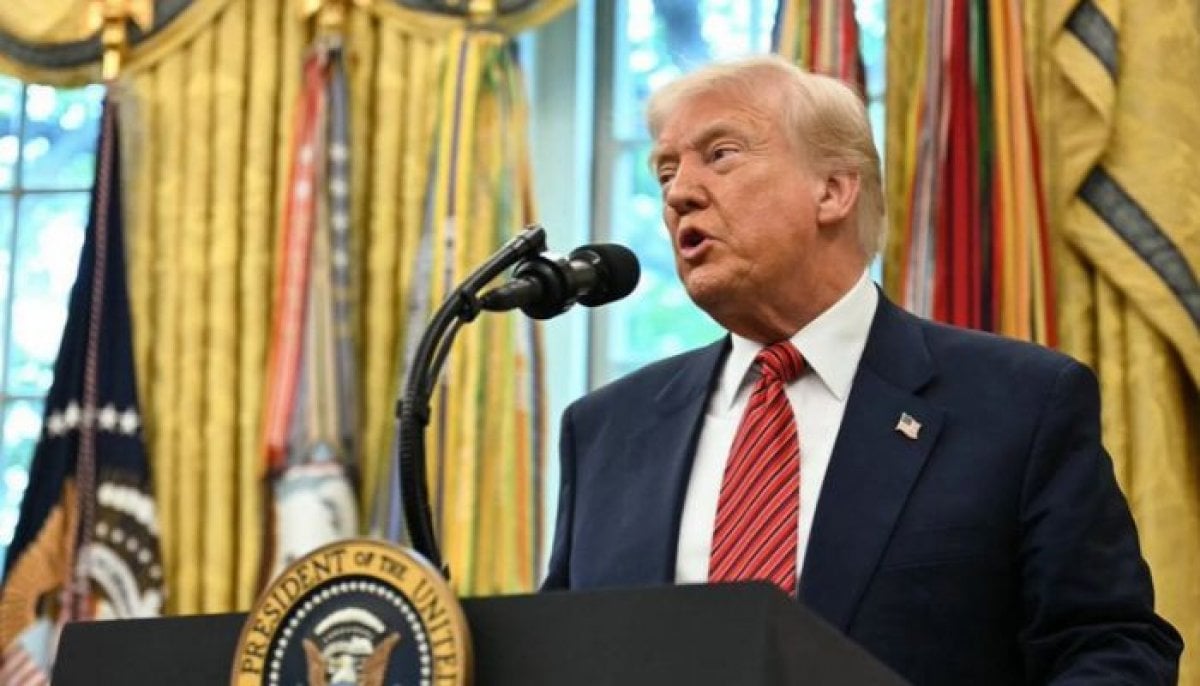
This exchange marks a major setback for fragile diplomatic efforts aimed at stabilizing the region. The two nations are roughly at the midway point of a 60-day window intended to lead to a permanent end to the war. In Washington, President Donald Trump stated,
. Despite the rhetoric, regional mediators including Pakistan, Qatar, and Egypt continue to pursue de-escalation efforts. On the Iranian side, Mohammad Bagher Qalibaf, the speaker of the parliament and a lead negotiator, stated,"We bombed the hell out of them last night,"
Donald Trump, President, via NBC’s Meet the Press
"The era of one-sided deals is OVER. We told you: keep your word or pay the price. Reality is knocking."
Mohammad Bagher Qalibaf, Parliament Speaker, via social media
The current violence follows the funeral of the late Iranian Supreme Leader, Ayatollah Ali Khamenei, who was killed during the opening strikes of the war on 28 February 2026. His successor, Supreme Leader Ayatollah Mojtaba Khamenei, vowed that the nation would avenge the death of his father, asserting that such actions represent the will of the country. As of Sunday evening, the United Nations secretary-general, António Guterres, expressed deep concern over the escalation, and diplomatic discussions regarding maritime navigation remain ongoing at the technical and political levels, even as the threat of further military activity persists.
How significant is this development?
Participate in our community survey on the trajectory and real-world impact of this news.