Iran expands strikes across Gulf and declares Strait of Hormuz closed
Iranian forces launched coordinated strikes against U.S. military facilities in five nations, while Iranian authorities declared the Strait of Hormuz closed.
- Headline Dispatch: Iran expands strikes across Gulf and declares Strait of Hormuz closed
- Core Takeaway: Iranian forces launched coordinated strikes against U.S. military facilities in five nations, while Iranian authorities declared the Strait of Hormuz closed.
- Source Synthesis: Continuous live monitoring aggregated across major news wires and independent bureaus.

Tensions in the Persian Gulf have escalated sharply as Iranian forces launched a series of missile and drone strikes across the region on Sunday, 12 July 2026. The offensive targeted U.S. Military facilities and assets in Bahrain, Kuwait, Qatar, Jordan, and Oman, marking a significant expansion in the scope of the conflict that began with initial U.S. And Israeli strikes on 28 February 2026.
The latest hostilities follow a cycle of intensified violence in the Strait of Hormuz, where Iran has declared the strategic waterway closed to traffic. Tehran’s newly formed Persian Gulf Strait Authority stated on Sunday that passage is suspended due to what it described as the illegal movements of U.S. Military forces. The authority indicated that transit permits will be issued only once stability is restored. In contrast, U.S. Central Command maintained that its forces remain positioned to ensure freedom of navigation, asserting that the strait remains open and traffic is continuing.
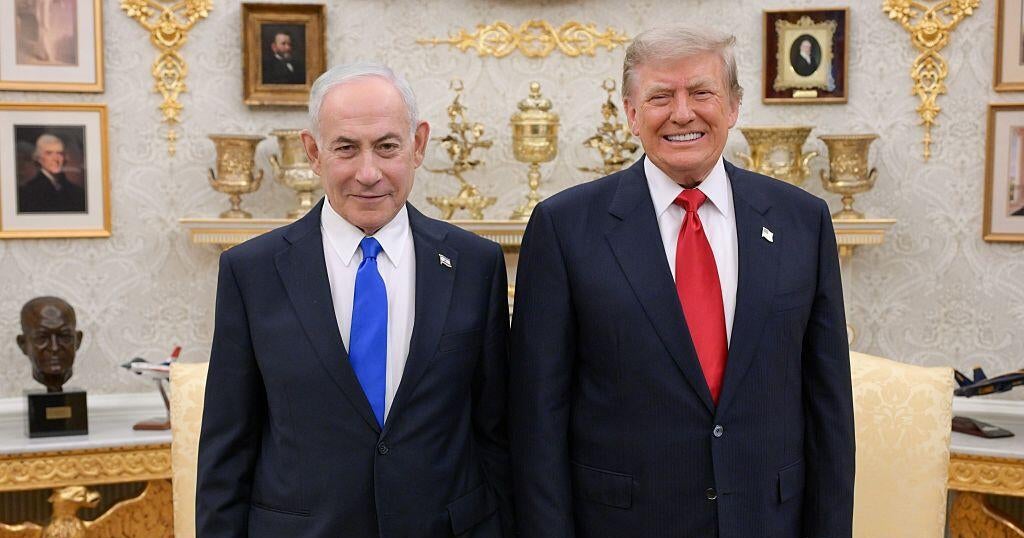
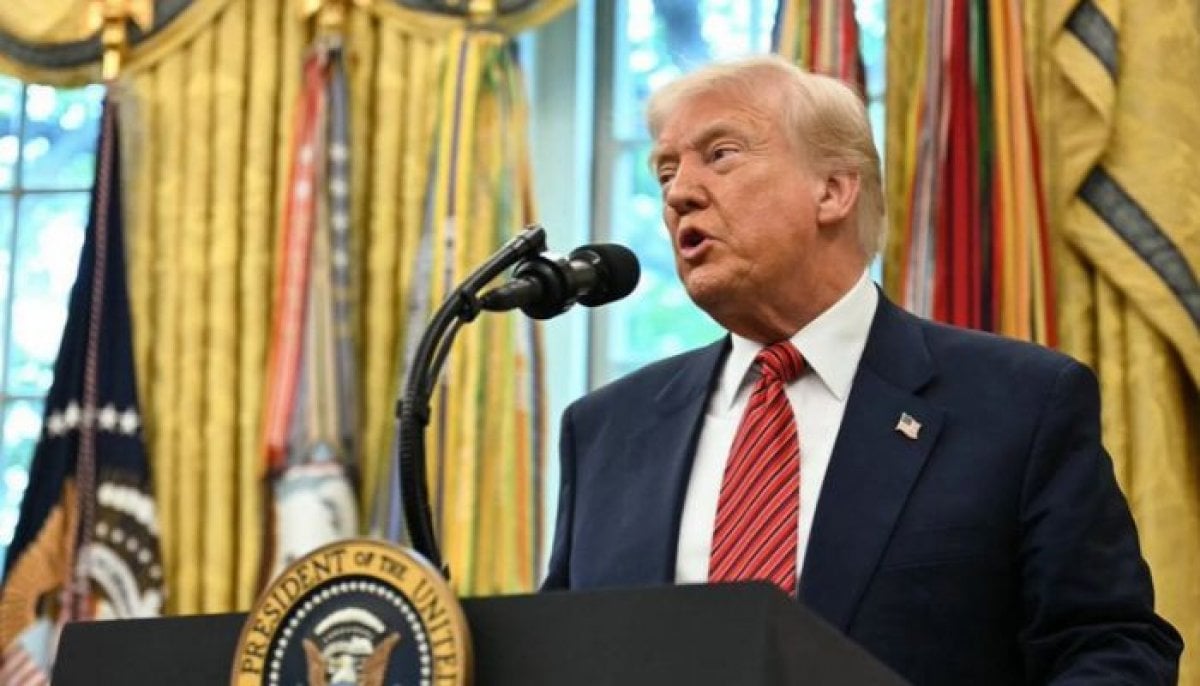
This volatile situation follows a series of U.S. Airstrikes conducted over the past three nights. Central Command reported striking approximately 140 Iranian military targets on Saturday, bringing the week’s total to more than 300 hits. The U.S. Operations targeted radar and drone launch sites, communication networks, and ammunition storage facilities in an effort to degrade Iran’s ability to threaten commercial shipping. President Donald Trump has stated that the interim ceasefire agreement, signed last month, is effectively over, though he has left the possibility for further talks open.
The regional impact of the escalation was immediate. Iranian state media reported that the Revolutionary Guard destroyed a command-and-control center and drone hangars in U.S. Ally Jordan, targeted a U.S. Radar site in Kuwait, attacked U.S. Aircraft carrier support and refueling platforms in Oman and destroyed a jet maintenance center and command facility in Qatar. In Qatar, an official assessment confirmed three injuries, including a child, resulting from falling shrapnel. Both Qatar and Oman have issued formal protests against the attacks. Oman, which hosted Iran's Foreign Minister Abbas Araqchi for discussions on the status of the strait just one day prior, described the strikes as an irresponsible act.
The maritime situation remains critical. A container ship, the GFS Galaxy, was targeted while traveling off the coast of Oman. While 23 crew members were rescued, one Indian national remains missing. Qatar has advised all vessels, including leisure and fishing craft, to suspend activities. Despite the closure declaration, the U.S. Navy-led Joint Maritime Information Center continues to advise that an expanded southern route near the Omani coastline remains available for two-way transit.
Mohammad Baqer Qalibaf, Iran’s top negotiator, addressed the collapse of the interim agreement on social media, writing:
"The era of one-sided deals is OVER. We told you: keep your word or pay the price. Reality is knocking."
The conflict continues to strain global energy markets, as the Strait of Hormuz previously facilitated the transport of one-fifth of the world’s oil and liquefied natural gas. While producers have increasingly utilized bypass infrastructure—such as pipelines through Saudi Arabia and expanded export capacity in the United Arab Emirates—the threat of sustained disruption continues to influence regional security. As of Sunday evening, regional mediators, including Pakistan, were reportedly continuing efforts to stabilize the ceasefire, even as Iranian officials vowed to carry out further retaliatory strikes if military pressure from the United States persists.
How significant is this development?
Participate in our community survey on the trajectory and real-world impact of this news.