Jordan intercepts Iranian missiles as U.S., Saudi Arabia target militias in Iraq
U.S. and Saudi forces have targeted Iran-backed militias in Iraq following a series of missile attacks on Jordan and U.S. bases. The hostilities have triggered a surge in global oil prices and increased instability in the Strait of Hormuz.
Jordan intercepts Iranian missiles as U.S., Saudi Arabia target militias in Iraq
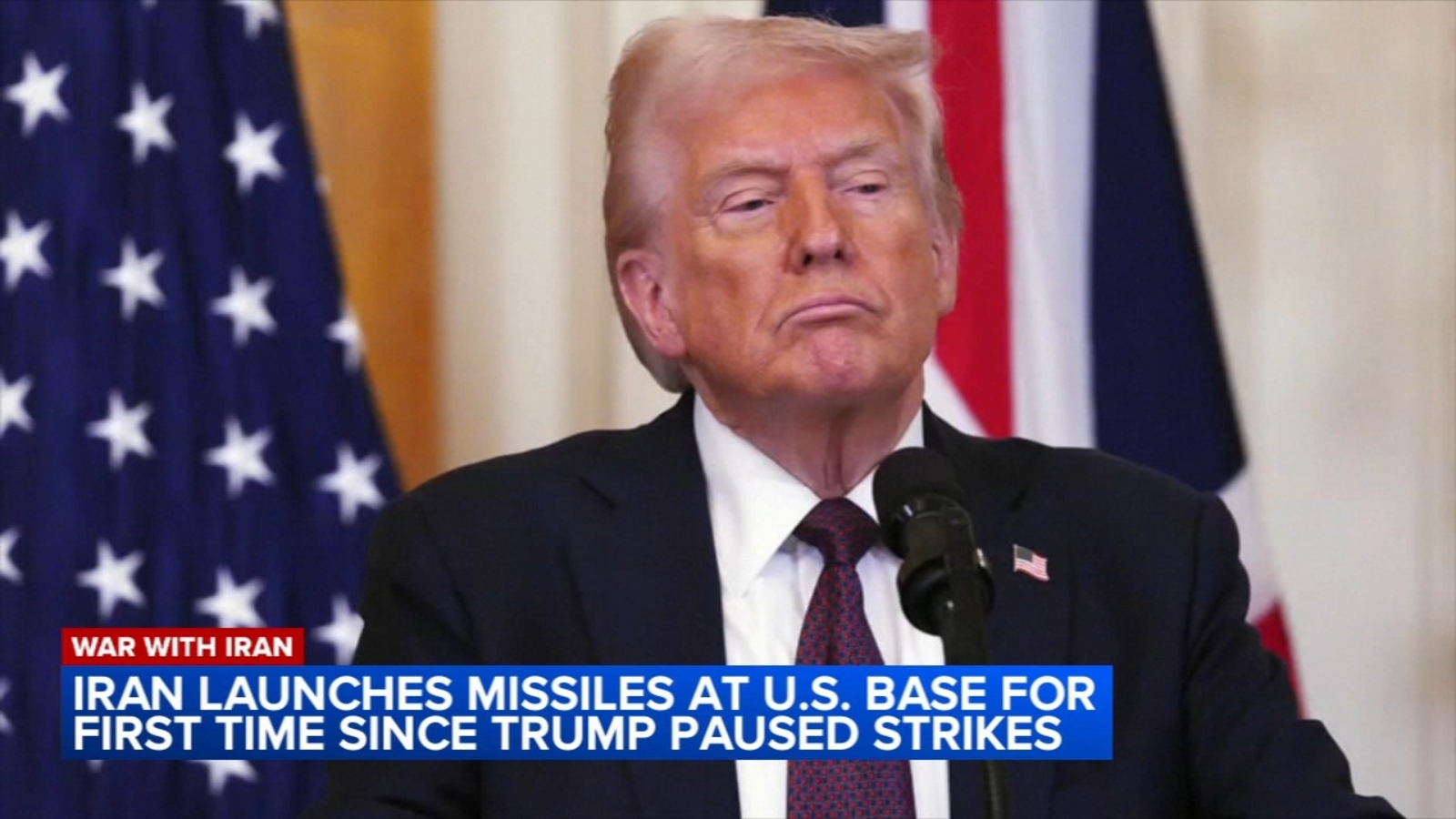
Jordanian air defenses intercepted five missiles launched from Iran early Wednesday, according to the country's military. This interception followed a separate Iranian missile barrage against American forces in the Middle East, which the U.S. Military stated it had knocked down. The renewed hostilities shattered a three-day pause in fighting between Washington and Tehran.
The paramilitary Revolutionary Guard's Aerospace Force stated it fired ballistic missiles at the headquarters of the U.S. Military's Central Command in Jordan and the Muwaffaq Salti Air Base. In response to the attacks on Jordan, U.S. President Donald Trump told Fox News that the U.S. Would beat the f*** out of them
and said they’re going to get a beating
.
Simultaneously, U.S. Central Command announced it worked with Saudi Arabian forces to strike sites in eastern Iraq used by Tehran-backed militias. The U.S. Stated these strikes targeted multiple terrorist weapons and logistics sites following more than 30 aerial drone attacks directed by the Revolutionary Guard in the previous 72 hours. The Saudi Defense Ministry acknowledged the operations via social media, stating the kingdom will respond to any aggression it faces but does not seek escalation.
The strikes hit bases of the Popular Mobilization Forces (PMF), a coalition of primarily Shiite, Iran-backed groups. While the Iraqi government designated the PMF as an independent military formation
in 2016, these militias often operate with autonomy. The PMF reported that at least 20 fighters were killed and 32 wounded in the overnight strikes. Two other militia officials told AP that six Iranian advisers were also killed.
The escalation has placed Iraqi Prime Minister Ali al-Zaidi in a difficult position. Al-Zaidi called an emergency meeting of the National Security Council on Wednesday. While President Trump claimed the strikes were coordinated with Baghdad, Iraq’s national security council directed the Foreign Ministry to pursue legal action over the U.S.-Saudi operations. The Iraqi prime minister’s office asserted that only the government has the authority to respond to attacks on its territory.
Maritime Tension and Energy Impacts
The fighting triggered a surge in oil prices. Brent crude jumped 5.8% to $86.82 a barrel, while U.S. Crude rose 6.4% to $84.30. Tensions remain centered on the Strait of Hormuz, through which 20% of the world's traded oil normally flows.
Iran's deputy foreign minister, Kazem Gharibabadi, rejected a proposal from Oman to jointly manage ship traffic in the strait. The Omani plan suggested dividing the waterway into two routes, each allowing 50% of shipping. Gharibabadi stated that Iran's policy is for the strait never to return to its prewar situation
, where ships transited freely.
Further maritime instability is occurring in the Red Sea. Houthi rebels in Yemen claimed to have forced a Saudi oil tanker, the NCC Ghazal, to turn around after firing missiles at it. The Houthis recently announced a blockade of Saudi shipping. Yemen’s internationally recognized government alleged that the Houthis, supported by the Revolutionary Guard, plan to impose transit fees on ships using the Bab al-Mandeb Strait to fund military operations.
Recent shipping data from Kpler shows that 37 commodity vessels transited the Bab al-Mandeb waterway on Tuesday, though traffic through the Strait of Hormuz remained minimal. Meanwhile, the Revolutionary Guard's Navy claimed on Wednesday it stopped three oil tankers in the Strait of Hormuz for using an unsafe and illegal route
, though there was no independent confirmation of these strikes.
Broadening Conflict and Casualties
The current hostilities are part of a larger war that began February 28 with American and Israeli attacks on Iran. Although an interim deal was signed in June, intense bombing resumed this month over disagreements regarding the reopening of the Strait of Hormuz.
The Pentagon has updated its casualty tracking, moving four killed U.S. Troops and dozens of wounded soldiers into a new category labeled Overseas Operations
now that Operation Epic Fury has concluded. Combined records show a total of 642 U.S. Troops wounded in the conflict.
Regional instability has extended to Lebanon, where the Israeli military reported destroying an underground Hezbollah command center beneath a factory in southern Lebanon. On Wednesday morning, Israeli artillery also shelled the Ali Taher heights on the outskirts of Upper Nabatieh.
International reactions have been swift:
- Egypt condemned attacks on Saudi oil facilities and strikes in Jordan as violations of international law.
- Qatar reaffirmed support for Riyadh, calling the drone attacks from Iraq a threat to regional security.
- India called for an immediate de-escalation through Ambassador Parvathaneni Harish.
- Pakistan urged all sides to uphold a memorandum of understanding signed last month.
Looking ahead, Iran is expected to receive 300-400 Chinese-made shoulder-fired air-defence missile launchers, including QW-12 and FN-16 missiles, within weeks as part of a $60-70 million deal to rebuild its air defenses.