No Current Negotiations With US — Iran
No Current Negotiations With US — Iran
- Headline Dispatch: No Current Negotiations With US — Iran
- Core Takeaway: No Current Negotiations With US — Iran
- Source Synthesis: Continuous live monitoring aggregated across major news wires and independent bureaus.
No Current Negotiations With US — Iran
Iran's foreign ministry has stated that there are currently no direct negotiations with the United States, according to Iranian Foreign Ministry spokesperson Esmaeil Baqaei. This announcement comes after recent speculation suggesting Tehran had requested talks with Washington.
The clarification affects ongoing diplomatic efforts after recent military tensions between Iran and the US eased. However, uncertainty over future engagement may affect discussions involving security and broader Middle East stability. Governments continue to monitor developments closely.
Iranian officials have reiterated that Tehran's current position remains unchanged despite recent speculation. The statement from Baqaei emphasizes that reports suggesting Iran requested negotiations were inaccurate, and he did not indicate any immediate plans for future talks.
Meanwhile, Israeli Prime Minister Benjamin Netanyahu is set to visit Washington, where he will discuss various issues, primarily Iran, with President Trump. Netanyahu has expressed his support for Trump's pressure on Iran to end its nuclear program.
The situation in the Middle East remains complex, with various countries involved in the conflict. Saudi Arabia's air defenses intercepted and destroyed drones launched from Iraq that attempted to target oil facilities in the kingdom's Eastern Province and Riyadh. The drones were launched by Iran-backed armed groups in Iraq.
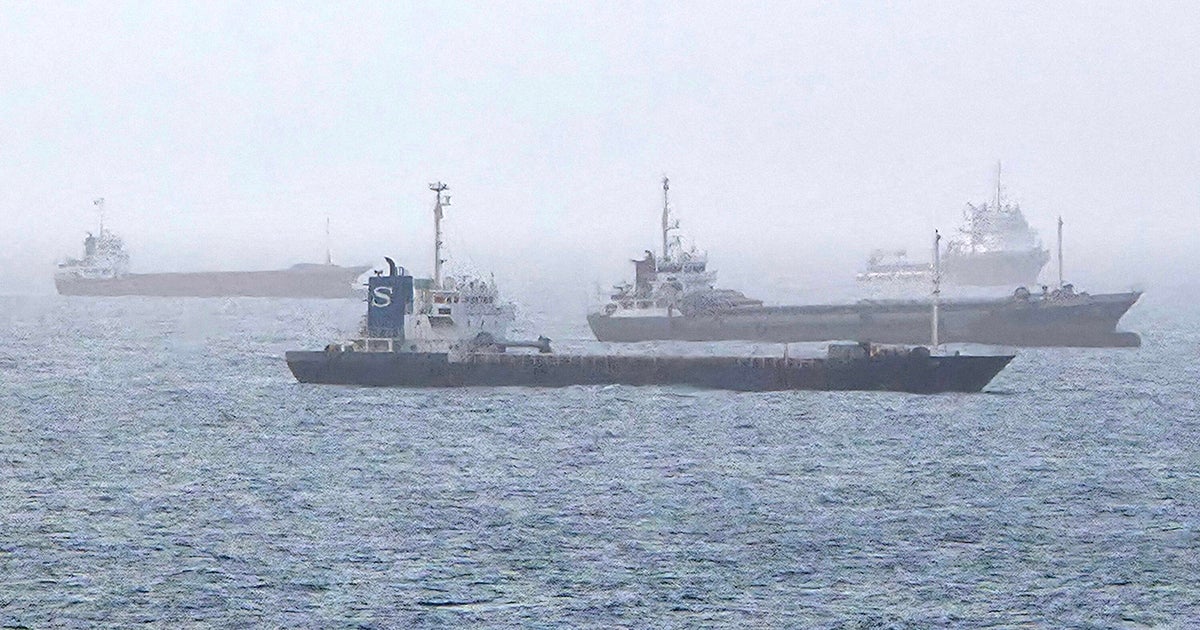
The conflict has also affected shipping in the region, with traffic through the Bab el-Mandeb Strait dropping to its lowest level in months after Yemen's Houthi rebels attacked Saudi oil installations along the Red Sea coast. The Houthis have imposed a blockade on Saudi ports, which has disrupted shipping in the area.
Iran has effectively blockaded the Strait of Hormuz since the start of the Middle East war, and the country insists on retaining control over the management of the strait. The US, on the other hand, maintains that international navigation must remain unrestricted.
Despite the tensions, diplomatic efforts continue, with mediators working to bridge the gap between Washington and Tehran. The US Ambassador to the United Nations, Mike Waltz, has stated that the US will gauge how things are going in the coming days and that more US military assets are moving into the region.
The conflict has also had an impact on global oil prices, which fell sharply after the US paused military strikes on Iran. The price of Brent crude dropped to $85.49 per barrel, while US benchmark crude dropped to $83.06 per barrel.
Ukraine's President Volodymyr Zelenskyy has warned that Russia could be increasing its support for Iran, and he has promised to share evidence with the US. Zelenskyy has also stated that Ukraine will not open a new front in the conflict, but the country will defend itself if necessary.
The Iranian Foreign Minister, Abbas Araghchi, has accused Ukraine of attacking an Iranian commercial vessel in the Caspian Sea, killing a sailor. Araghchi has warned that the incident will not go unanswered.
How significant is this development?
Participate in our community survey on the trajectory and real-world impact of this news.