G7 to release up to 100m barrels of emergency oil and diesel reserves
The G7 has agreed to release 100 million barrels of emergency oil and diesel reserves to combat record fuel prices and avert a US export ban.
- Headline Dispatch: G7 to release up to 100m barrels of emergency oil and diesel reserves
- Core Takeaway: The G7 has agreed to release 100 million barrels of emergency oil and diesel reserves to combat record fuel prices and avert a US export ban.
- Source Synthesis: Continuous live monitoring aggregated across major news wires and independent bureaus.
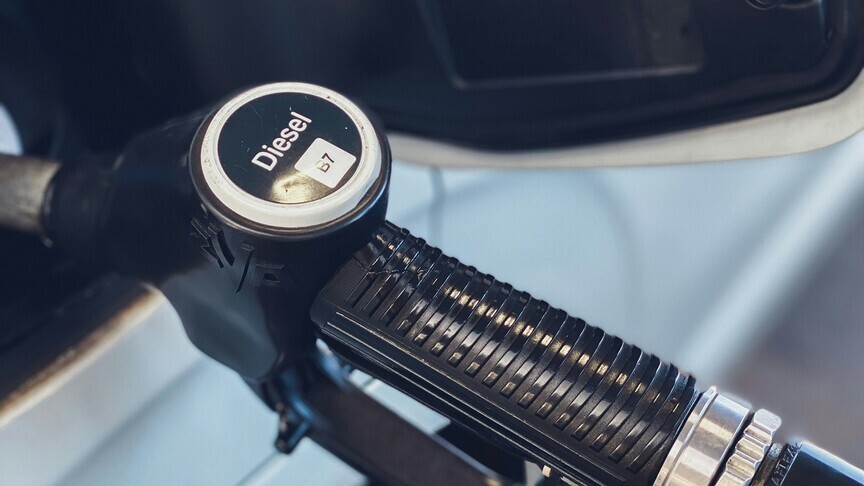
Leaders of the Group of Seven industrialised economies agreed to an emergency drawdown of strategic energy stockpiles to counter surging global fuel costs and intense political friction over transatlantic energy trade. The coordinated release encompasses 50 million barrels of diesel and 50 million barrels of crude oil, channelled through the International Energy Agency over a four-month period.
French President Emmanuel Macron convened an emergency virtual meeting of the bloc's leaders to address mounting volatility in global markets. The intervention averts a threatened export ban from Washington, providing crucial breathing room for European economies heavily reliant on imported distillates.
| Energy Indicator / Stockpile | Metric | Context |
|---|---|---|
| G7 Strategic Release | 100 million barrels | Split evenly between 50m barrels of diesel and 50m barrels of crude oil over four months. |
| US Diesel Inventories | 107.9 million barrels | Hit record low levels as of mid-September, driving domestic pump prices upward ahead of midterm elections. |
| EU & UK Stock Reserves | 52 million tonnes | Total gas, oil, and diesel stocks held, including nearly 38 million tonnes of EU emergency reserves. |
| Previous IEA Release | 400 million barrels | Agreed upon by IEA member countries in March following the onset of the war with Iran. |
Political Pressure and the Threat of US Export Bans
The emergency G7 talks were triggered after President Trump threatened to cut off shipments of American diesel to Europe unless allies tapped their own domestic stockpiles to cool overheated global markets. Surging overseas sales had pushed US diesel prices to historic highs, creating acute political vulnerabilities ahead of the November congressional elections.
Following the virtual summit, Trump confirmed the breakthrough in a social media statement on Truth Social, noting that Europe had agreed to release a massive amount of heavily stocked diesel oil immediately. French President Emmanuel Macron affirmed that G7 members and partners agreed to front-load a substantial portion of the diesel release within the first 20 days, with member states maintaining an absolute ban on export restrictions between partner countries.
"We have all committed together to releasing these strategic reserves in the proportions I mentioned, with a focus on diesel, and we are all committed to ensuring there are no export bans, and President Trump, in particular, was very clear on this point."
Emmanuel Macron, French President, via The Guardian
European officials had initially rejected the US export cutoff threat outright, emphasizing that European Union regulations mandate member states to maintain emergency oil stocks covering at least 90 days of net imports or 61 days of domestic consumption. European Council President Antonio Costa welcomed the coordinated framework, noting that EU leaders will formally evaluate the regional energy situation at their upcoming meetings.
Ground Reality at European and American Pumps
The global energy shock traces its roots to the outbreak of the US-Israeli war with Iran. Navigational disruptions in the Strait of Hormuz, combined with Ukrainian drone strikes that reduced Russian fuel output to multi-decade lows, severely constricted international refining output.
In the United Kingdom, the average price of diesel breached a historic milestone, crossing the £2 a litre threshold. Motoring organizations reported that filling an average family car now costs significantly more than it did prior to the conflict, placing severe strain on households and industrial hauliers alike.
Richard Smith, managing director of the Road Haulage Association, warned that high fuel costs act as a direct tax on everyday goods. Almost everything on a supermarket shelf got there on a lorry. There is nowhere for additional costs to go but onto customers and onto the shelf,
Smith said, calling on the UK government to introduce fuel duty rebates for essential transport operators.
Technical Response and Long-Term Market Skepticism
In addition to releasing emergency inventories, G7 members agreed to coordinate maintenance schedules across national refineries to prevent simultaneous capacity shutdowns and to temporarily maximize utilization rates. The International Energy Agency was tasked with monitoring the implementation of these measures and delivering a formal follow-up report within 20 days.
The G7 also demanded the immediate and full restoration of navigational rights in the Strait of Hormuz while pledging to maintain existing economic sanctions against Russia. However, energy market analysts have expressed skepticism regarding the long-term efficacy of tapping strategic reserves.
Jonathan Owens, an operations and supply chain expert at the University of Salford, noted that emergency inventories act primarily as an insurance policy. Using them now reduces protection against future disruption until those stocks are replenished,
Owens explained, adding that drawing down reserves fails to resolve structural deficits in global refining capacity.
Macquarie Group analyst Walt Chancellor offered a similar assessment of the global supply crunch. The core issue the US faces is not a diesel problem. Nor is it a refined product problem. It may not even be a petroleum problem. It is a global energy problem,
Chancellor said, characterizing the stockpile release as a short-term palliative.
Next Steps
The International Energy Agency will oversee the initial 20-day front-loaded diesel distribution, after which the agency will compile a comprehensive progress report. G7 energy ministers are scheduled to reconvene within the agency's framework in the coming days to evaluate whether additional diesel releases are warranted. Meanwhile, European Union leaders are set to review the broader socio-economic impacts of the crisis and discuss long-term decarbonization strategies during their upcoming summit.
How significant is this development?
Participate in our community survey on the trajectory and real-world impact of this news.