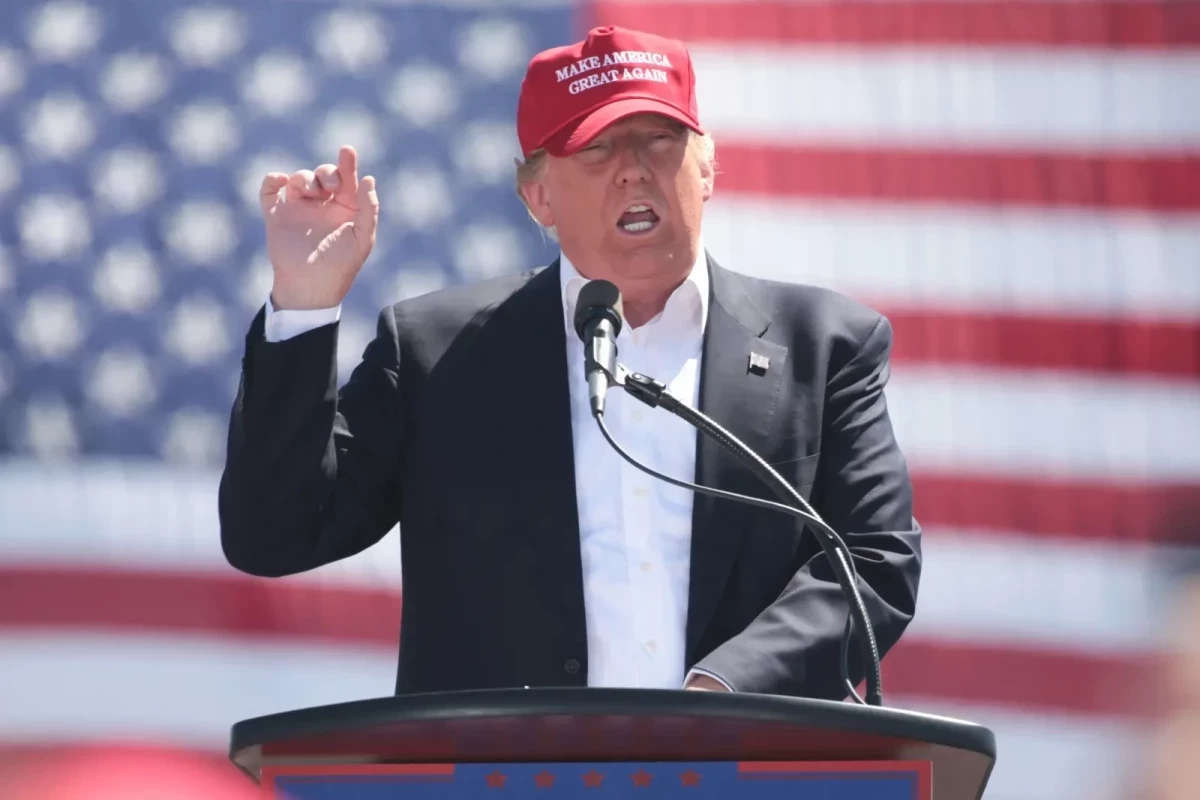
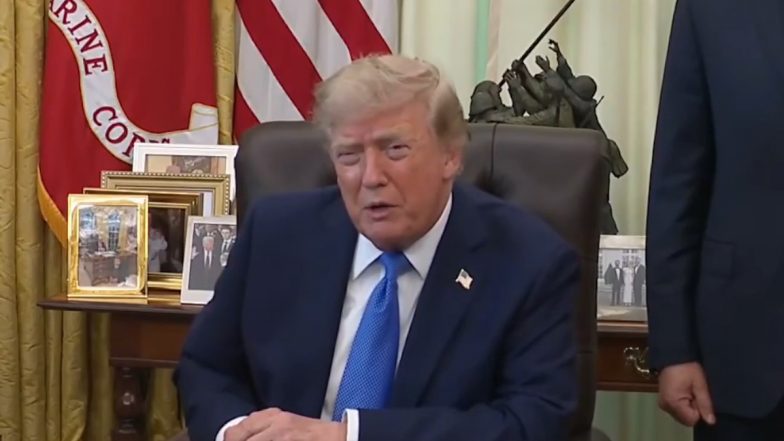
Supreme Court backs Trump
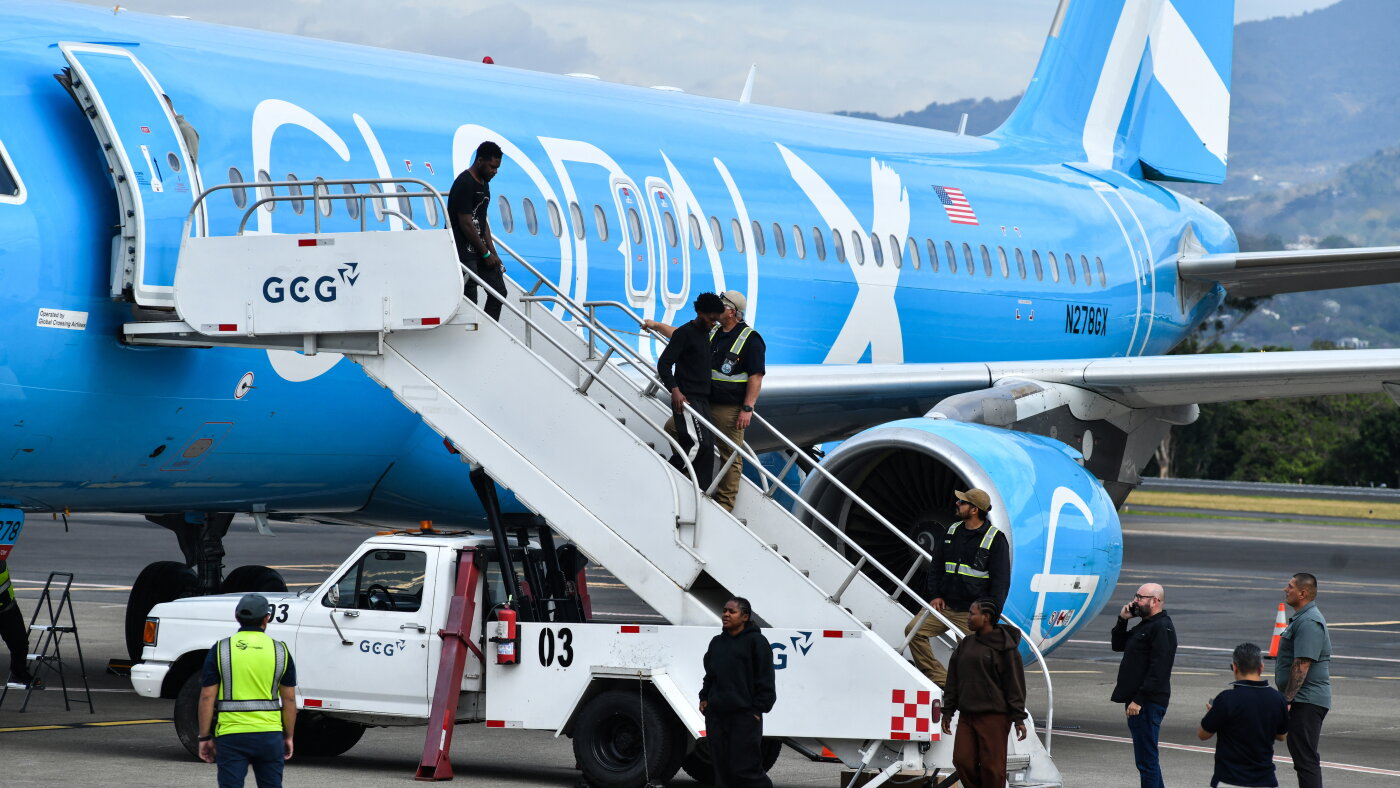
The Supreme Court has allowed the Trump administration to resume third-country deportations pending full oral arguments scheduled for December.
⚡ GLOBAL PULSE BRIEF
- Headline Dispatch: Supreme Court backs Trump
- Core Takeaway: The Supreme Court has allowed the Trump administration to resume third-country deportations pending full oral arguments scheduled for December.
- Source Synthesis: Continuous live monitoring aggregated across major news wires and independent bureaus.
Background and Context
The U.S. Supreme Court's decision to allow the Trump administration to resume third-country deportations has sparked controversy and debate over the legality and humanitarian implications of the policy. According to the administration, the policy is an essential tool for removing certain aliens, including those with criminal histories, from the United States. However, critics argue that the policy is also targeting migrants who had been granted legal protection from being sent back to their home countries, and that it has resulted in deportees being unlawfully transferred by third countries back to their home countries from which the U.S. Had already granted them protection.Key Statements and Positions
Solicitor General John Sauer has argued that the third-country deportation policy is a necessary tool for removing certain aliens, including those with criminal histories, from the United States. In court papers, Sauer wrote that "while certain aliens may benefit from stalling their removal, the Nation does not." However, lawyer Trina Realmuto, representing migrants facing deportation, has argued that the policy has resulted in significant harms, including prolonged and arbitrary detention, beatings, and sexual assault. The National Immigration Litigation Alliance has also stated that the policy violates due process rights and puts migrants at risk of persecution, torture, and other harms.Technical and Legal Specifics
The Supreme Court's decision to allow the Trump administration to resume third-country deportations is pending full oral argument in December. The court's brief order granting the petition did not outline a reason for staying a lower-court order that blocked the third-country deportations. However, the court did ask both sides to argue whether lower courts had the jurisdiction to rule on the issue and order nationwide relief, as well as whether the Trump policy is legal or whether it violated the due process clause or conventions against torture.| Country | Number of Deportees | Agreement Status |
|---|---|---|
| Mexico | Majority of deportees | Agreement in place |
| South Sudan | 8 men deported in June 2025 | Agreement in place |
| Uganda | Unknown | Agreement in place |
| Equatorial Guinea | Unknown | Agreement in place |
| Liberia | Unknown | Agreement in place |
| Central African Republic | Unknown | Agreement in place |
Financial Impact and Next Steps
The financial impact of the Supreme Court's decision is unclear, but it is likely to have significant implications for the Trump administration's immigration agenda. The administration has argued that the policy is necessary to remove certain aliens from the United States, but critics argue that it is also targeting migrants who had been granted legal protection from being sent back to their home countries. The case is set to be heard in full oral argument in December, and the outcome is likely to have significant implications for the future of immigration policy in the United States. The Department of Homeland Security has said that Judge Brian Murphy's rulings have created a logistical nightmare, including canceled flights, potential diplomatic clashes, and a lag in removing people convicted of assault and drug crimes. However, critics argue that the policy is also putting migrants at risk of persecution, torture, and other harms, and that it is therefore necessary to halt the deportations until the case can be heard in full. In the meantime, human rights experts at the United Nations have written to the U.S. Government urging a halt to the third-country deportations, warning that they are putting deportees at heightened risk of abuse. The experts have argued that the policy is particularly problematic for vulnerable populations, including children, women, persons with disabilities, victims of trafficking, LGBT persons, human rights defenders, stateless persons, and other people in extremely vulnerable situations. As the case moves forward, it is likely that these concerns will continue to be raised, and that the Supreme Court's decision will have significant implications for the future of immigration policy in the United States.
📊 GLOBAL PULSE SENTIMENT
How significant is this development?
Participate in our community survey on the trajectory and real-world impact of this news.