Trump Denies Offering Iran Sanctions Relief and Frozen Funds
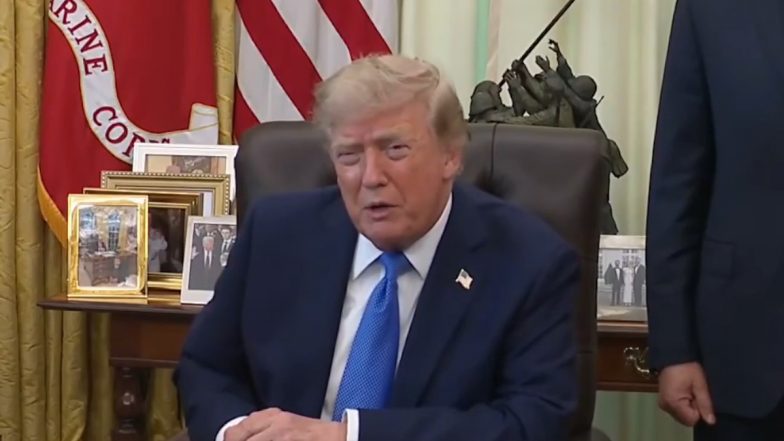
US President Donald Trump has strongly dismissed media reports claiming his administration offered sanctions relief and frozen funds to Iran in exchange for nuclear concessions.
- Headline Dispatch: Trump Denies Offering Iran Sanctions Relief and Frozen Funds
- Core Takeaway: US President Donald Trump has strongly dismissed media reports claiming his administration offered sanctions relief and frozen funds to Iran in exchange for nuclear concessions.
- Source Synthesis: Continuous live monitoring aggregated across major news wires and independent bureaus.
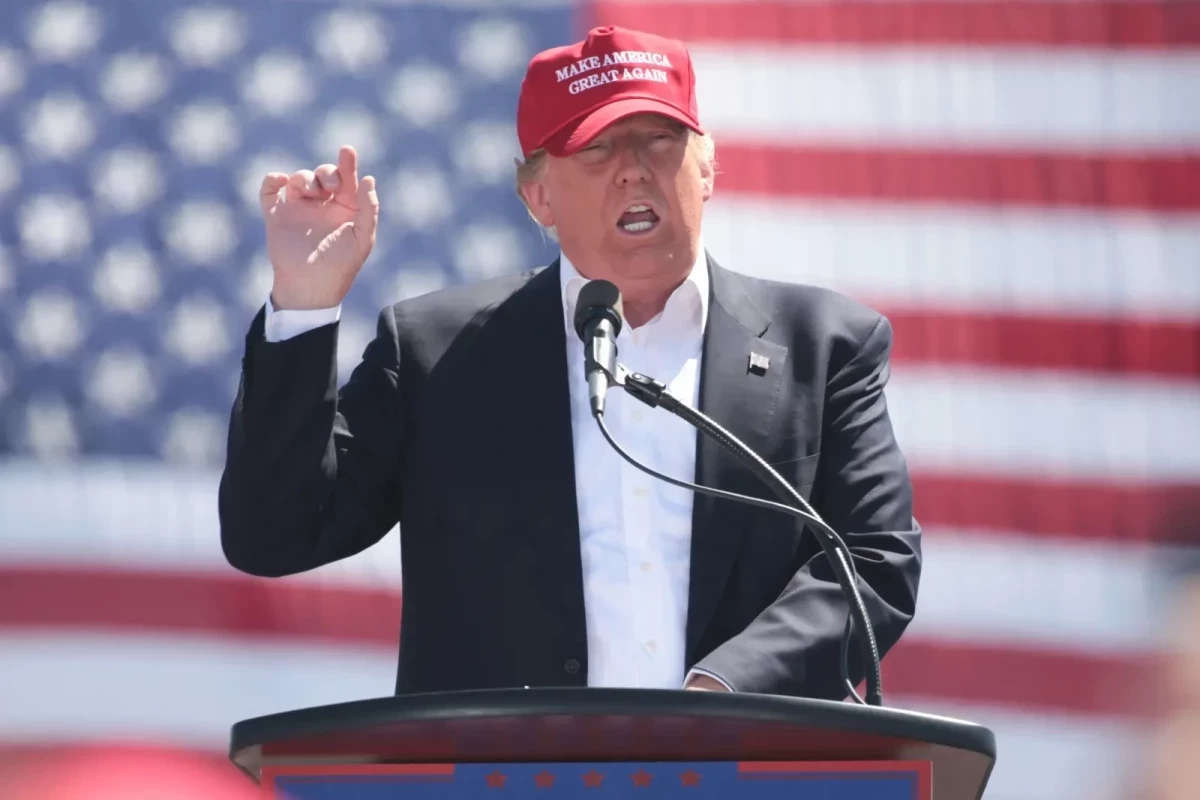
United States President Donald Trump has strongly dismissed media reports claiming his administration offered sanctions relief and access to frozen financial assets to Iran in exchange for concrete steps regarding its nuclear program.
The Social Media Denial and Media Reports
Speculation regarding potential economic concessions mounted after reports surfaced citing US officials. According to those accounts, Washington was purportedly willing to unfreeze Iranian assets and ease economic restrictions if Tehran agreed to verifiable limitations on its nuclear development. CNN similarly reported that discussions facilitated by intermediaries were viewed as constructive, arriving as the US intensified aviation and economic sanctions under Operation Economic Outcast.
President Trump moved swiftly to counter the narrative. Writing on Truth Social, he denounced the coverage:
"Axios just released a story that ‘Trump’ offered Sanctions Relief and Frozen Funds to Iran. This is untrue. I offered them NOTHING!"
Donald Trump, US President, via Truth Social
Trump categorized the reporting as a fabrication driven by political bias and demanded that the outlet retract the story immediately. Reuters separately confirmed the president's denial.
| Actor | Stance on Concessions / Relief | Key Developments |
|---|---|---|
| Donald Trump | Denied offering relief; maintains "offered them nothing" stance | Demanded immediate retraction of reports via social media; previously rejected a seven-day proposal |
| US Officials (Unnamed) | Reported willingness to grant relief for nuclear steps | Cited in media accounts regarding indirect diplomatic channels |
| Iran (Abbas Araghchi / Masoud Pezeshkian) | Asserted readiness for talks while rejecting coercion | Maintained firm positions on the Strait of Hormuz and nuclear capabilities during UN General Assembly engagement |
Diplomatic Channels and Regional Mediation
Despite the public disagreement, diplomatic contacts have not entirely ceased. Regional mediators, notably Qatar, continue to relay proposals between Washington and Tehran. Iranian Foreign Minister Abbas Araghchi remained in New York following the United Nations General Assembly session to participate in discussions aimed at finding a diplomatic route out of the conflict.
Iranian leadership has presented a nuanced stance amid the diplomatic push. Iranian President Masoud Pezeshkian stated in a television interview that Tehran remains prepared for negotiations concerning its nuclear program and other relevant issues, provided that Iran does not face bullying or coercion. Pezeshkian reiterated that Tehran has maintained it is not seeking to develop nuclear weapons, though he emphasized that the nation will defend itself against pressure and threats.
Meanwhile, Iranian officials have insisted that Tehran awaits a formal US position on its proposals rather than confirming a new round of direct negotiations.
The Strait of Hormuz and Nuclear Standoff
At the center of the wider geopolitical dispute is the Strait of Hormuz, a critical global energy corridor carrying internationally traded oil and liquefied natural gas. The blockade of the waterway has driven an escalating global energy crisis. Iran has repeatedly linked any reopening of the strategic route to broader conditions involving the cessation of conflict, the removal of sanctions, and the release of frozen Iranian assets.
Trump previously rejected an Iranian seven-day proposal that sought to establish terms for reopening the strait and resuming formal discussions. Foreign Minister Araghchi subsequently noted that the responsibility lies with President Trump to choose between continued hostilities and diplomacy, warning that Iran stands ready for a renewed conflict if aggression persists.
Next Steps
Diplomatic activity is expected to center on the evolving conditions for reopening the Strait of Hormuz, the status of international sanctions, and the ongoing standoff over Iran's nuclear commitments. While regional intermediaries continue working to preserve communication channels, the public rift over sanctions relief highlights the persistent divide between Washington and Tehran as both sides evaluate their next moves.
How significant is this development?
Participate in our community survey on the trajectory and real-world impact of this news.