Trump says U.S. will not attack Iran before midterm election
President Donald Trump announced the U.S. will not attack Iran before the Nov. 3 midterm elections, explicitly tying military planning to the domestic political calendar.
- Headline Dispatch: Trump says U.S. will not attack Iran before midterm election
- Core Takeaway: President Donald Trump announced the U.S. will not attack Iran before the Nov. 3 midterm elections, explicitly tying military planning to the domestic political calendar.
- Source Synthesis: Continuous live monitoring aggregated across major news wires and independent bureaus.
President Donald Trump stated that the United States will not attack Iran before the upcoming midterm elections, explicitly linking potential military action to the domestic political calendar, according to statements on social media. The declaration arrived after a period of intense market volatility and reports that the administration had asked the Pentagon to prepare strike options to demonstrate strength and help lower consumer costs ahead of the vote.
Political Pressures and the Domestic Calendar
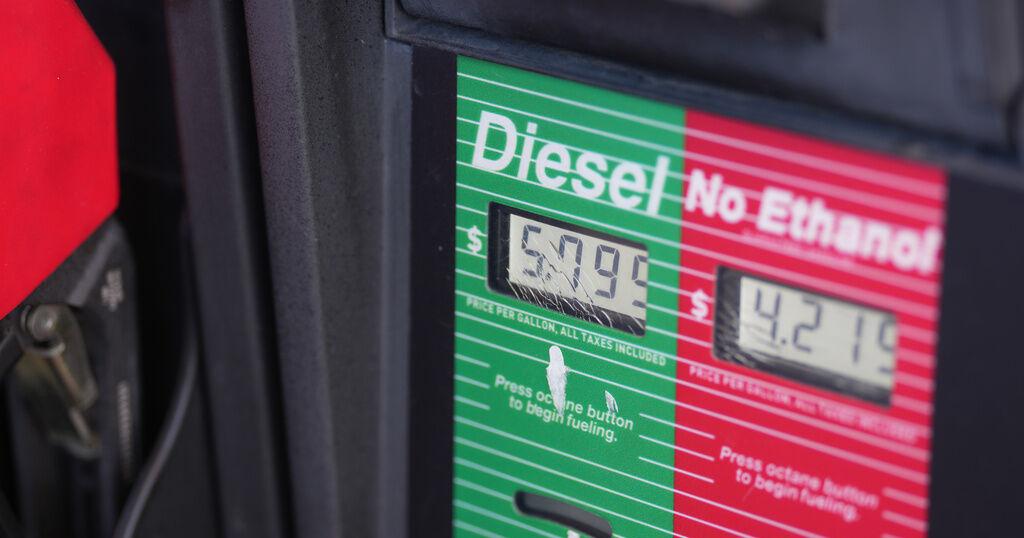
The strategic shift comes as American voters cast midterm ballots amid widespread voter concern over the cost of living and soaring energy expenses. AAA data shows gas prices have climbed significantly since the war began, contributing to a difficult political environment for Republicans fighting to retain control of Congress. Public backing for military action against Tehran has slipped, with a Reuters/Ipsos poll showing only modest support and a vast majority of respondents anticipating a prolonged conflict.
Reports emerged that top White House aides had debated containing the conflict through the midterms to limit electoral fallout, leaving open the possibility of heavier operations after the ballots are tallied. Trump ultimately moved to ease tensions on that front, posting on Truth Social that the U.S. Would hold off on strikes while maintaining a naval blockade and keeping oil moving through the Strait of Hormuz.
| Indicator | Previous Level | Recent Level / Peak |
|---|---|---|
| National Average Diesel (AAA) | $2.98 (pre-war) | $6.52 (peak Sept. 22) / $6.28 |
| Brent Crude Benchmark | Pre-spike baseline | Surged over 4% to $104–$105 before dipping on announcement |
| U.S. Military Aircraft Lost/Damaged | Initial tallies | 81 total (Congressional Research Service) |
Reversal on Russian Diesel and International Fallout
Concurrently, the administration announced an agreement with Russian President Vladimir Putin to secure diesel shipments to alleviate domestic fuel shortages. Trump praised the arrangement on social media and while leaving the White House, thanking the Russian leader for supplies that are slated to arrive in multi-hundred-thousand-ton and million-ton increments. The U.S. Treasury Department quickly issued a temporary license allowing Russian diesel to reach the global market without triggering sanctions until April 2027.
The move represents a stark reversal from a sweeping Russia sanctions law signed just prior, which was designed to target Moscow's energy revenues over the war in Ukraine. Energy experts noted that the agreement benefits Russia as it struggles with refinery output losses due to Ukrainian strikes and attempts to offload summer-grade diesel. Meanwhile, Ukrainian President Volodymyr Zelenskyy strongly condemned the arrangement, describing it as a weak decision by partners that acts as a financial investment in Russia's military campaign.
"I believe our team is simply being used as a smokescreen. And that is certainly not fair. It is certainly not how partners should treat each other."
Volodymyr Zelenskyy, President of Ukraine, via Ukrainian Embassy in Washington
Prominent congressional Democrats, including Senate Democratic leader Chuck Schumer, Sen. Jeanne Shaheen, Sen. Elizabeth Warren, and Sen. Richard Blumenthal, also denounced the deal as a betrayal of U.S. National security and European allies. Senator Blumenthal criticized the agreement as an insult to the memory of late senator Lindsey Graham, for whom the bipartisan sanctions legislation was named.
Regional Escalations and Sanctions
Against the backdrop of shifting diplomatic postures, conflict persisted across the Middle East. The U.S. Treasury Department imposed fresh sanctions targeting the remnants of Iran's shadow fleet, designating 17 vessels and associated companies to cut off funds used to finance regional operations. Simultaneously, Yemen's Iran-backed Houthi movement intensified attacks against infrastructure in Saudi Arabia, launching ballistic missiles that targeted Riyadh's King Khalid International Airport and causing debris damage to civilian areas, prompting safety warnings from the U.S. Embassy.
Negotiations regarding the broader conflict remain active through intermediaries, with Iranian Foreign Minister Abbas Araghchi noting that Tehran is reviewing Washington's response to an Iranian proposal known as the seven-day plan.
Next Steps
As the November 3 midterm elections approach, markets will monitor the delivery timeline of the newly arranged Russian diesel shipments and the practical enforcement of the Treasury's temporary sanctions waivers. Meanwhile, diplomatic intermediaries continue to weigh Tehran's seven-day plan response, while regional military deployments—including carrier strike groups stationed in the Middle East—remain positioned under a declared halt to direct U.S. Strikes ahead of the vote.
How significant is this development?
Participate in our community survey on the trajectory and real-world impact of this news.