Nato summit live news: Trump says ceasefire with Iran is over
The U.S. has ended its interim truce with Iran following maritime attacks in the Persian Gulf and retaliatory strikes on IRGC targets.
- Headline Dispatch: Nato summit live news: Trump says ceasefire with Iran is over
- Core Takeaway: The U.S. has ended its interim truce with Iran following maritime attacks in the Persian Gulf and retaliatory strikes on IRGC targets.
- Source Synthesis: Continuous live monitoring aggregated across major news wires and independent bureaus.
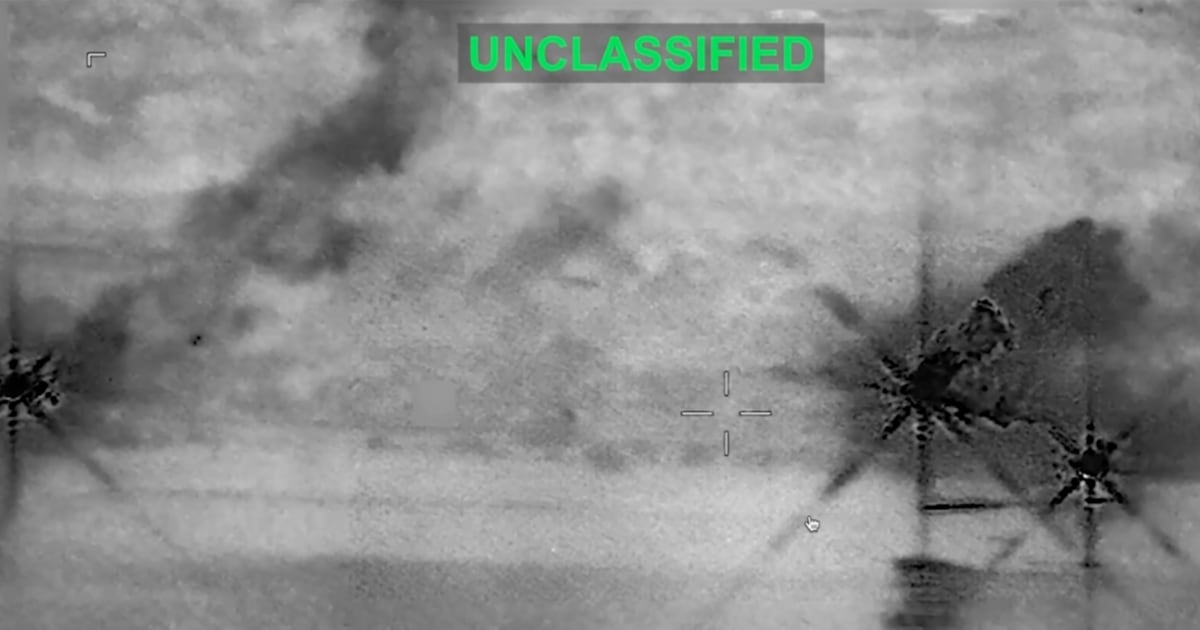
Trump Declares Iran Ceasefire Over Amid Fresh Gulf Strikes
President Donald Trump announced Wednesday that the interim ceasefire with Iran is over
, following a violent exchange of strikes in the Persian Gulf. Speaking from a NATO summit in Ankara, Turkey, the president described Iranian leadership as scum
and sick people
, asserting that further dealings with Tehran are a waste of time
.
The collapse of the truce follows an escalation that began when at least three commercial vessels were struck in the Strait of Hormuz on Monday and Tuesday. These targets included the Liberia-flagged Cyprus Prosperity, the Saudi-flagged Wedyan, and the Qatari-owned Al Rekayyat. British maritime authorities reported a projectile hit a vessel near the Oman coast on Monday, causing a fire. The U.S. Military identified these attacks as the catalyst for its own retaliatory campaign.
U.S. Central Command (CENTCOM) reported striking more than 80 Iranian targets, including coastal radar sites, air defense systems, and 60 IRGC small boats. The operation aimed to degrade Iran's ability to attack international commerce. President Trump told reporters he hit the targets 20 to 120 times tougher
than previous actions, noting the strikes occurred while Iran was observing funeral rites for its late Supreme Leader, Ayatollah Ali Khamenei.
The Iranian Revolutionary Guard responded by launching missiles and drones against U.S. Military installations in Kuwait and Bahrain. Bahrain's Ministry of Interior issued multiple warnings, sounding missile alert sirens three times by Wednesday morning. The Guard claimed to have hit 85 military sites in Bahrain and Kuwait, accusing the U.S. Of violating the Islamabad understanding
and the ceasefire.
In Iran, state-affiliated media reported explosions in the port city of Bushehr and multiple blasts on Qeshm island, in Sirik, and in Bandar Abbas. A deputy governor in the Bushehr region, Ehsan Jahanian, confirmed that facilities in Choghadak city and Dashti County were struck. The Revolutionary Guard stated a member of its naval forces was killed in Bandar Mahshahr after being struck by projectile shrapnel while confronting enemy drones.
Economic and Diplomatic Fallout
Global markets reacted sharply to the renewed hostilities. Brent North Sea crude jumped between 5.3% and 5.6% to over $78 a barrel, while U.S. Benchmark crude surged up to 5.8% to $74.55 a barrel. These spikes follow a recent decline from prices that had exceeded $100 a barrel after the war began in late February.
As part of the escalation, the U.S. Treasury Department revoked a license granted in June that allowed Iran to sell crude oil through August 21. This reversal of a key concession from the June 17 memorandum of understanding was designed to increase pressure on Tehran.
European leaders expressed concern over the stability of the region. EU top diplomat Kaja Kallas described Iran's attacks on Kuwait and Bahrain as unacceptable
and noted that the strikes further complicate already fraught talks to end the war
. EU foreign ministers are scheduled to meet with Gulf counterparts on Monday to discuss the freedom of navigation in the Red Sea and the strait.
NATO Friction and Internal Politics
Despite the tension, NATO Secretary General Mark Rutte backed the U.S. Response, telling President Trump that the strikes were absolutely necessary
and a very strong response
to ceasefire violations.
However, Trump used the summit to criticize NATO allies for their perceived lack of support in the conflict with Iran. He claimed that France, Germany, and Italy had turned down requests for help, asking why the U.S. Spends hundreds of billions of dollars when allies are not there for us
.
Parallel to the military crisis, Iranian President Masoud Pezeshkian criticized U.S. Conduct via X on Wednesday, comparing the administration's foreign policy to its role as World Cup host by bending rules, bullying rivals, creating obstacles, and cheating
. This followed complaints from the Iranian team regarding visa difficulties that forced them to move their training base from Arizona to Tijuana, Mexico.
The diplomatic situation remains precarious. While Trump believes the agreement is finished, he noted he would allow negotiators—including Jared Kushner and Steve Witkoff—to continue talking if they wish, though he described such efforts as a waste of time. Iran's Parliament Speaker Mohammad Bagher Qalibaf responded via social media, stating that the era of bullying and extortion is over
.
How significant is this development?
Participate in our community survey on the trajectory and real-world impact of this news.


