West Asia War LIVE: U.S. will probably hit them again tonight, says Trump
The U.S. warns of renewed military strikes against Iran following a volatile exchange of attacks in the Gulf. Oil prices surged as Trump threatens a naval blockade.
- Headline Dispatch: West Asia War LIVE: U.S. will probably hit them again tonight, says Trump
- Core Takeaway: The U.S. warns of renewed military strikes against Iran following a volatile exchange of attacks in the Gulf. Oil prices surged as Trump threatens a naval blockade.
- Source Synthesis: Continuous live monitoring aggregated across major news wires and independent bureaus.
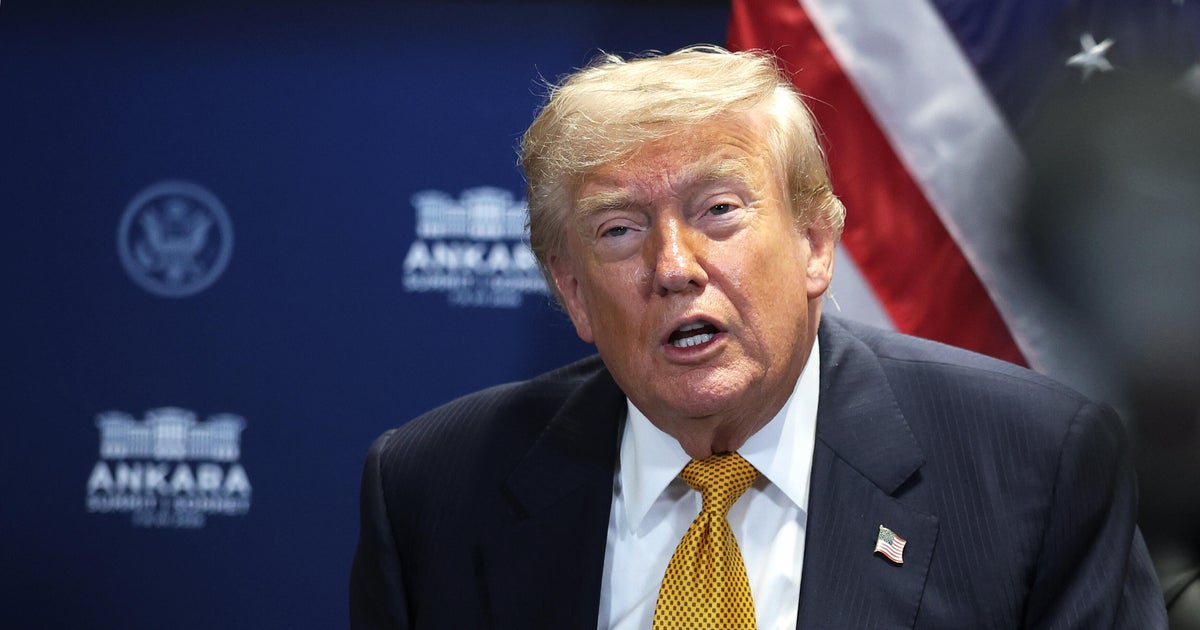
West Asia War LIVE: U.S. Will probably hit them again tonight, says Trump
President Donald Trump declared on Wednesday, July 8, 2026, that the ceasefire and interim memorandum of understanding (MoU) with Iran is over
, warning that the United States will probably hit them hard again tonight
. Speaking at a NATO summit in Ankara, Turkey, the president described Iranian leaders as scum
, cuckoo
, and sick people
, adding that negotiations had become a waste of time
.
The escalation follows a volatile exchange of strikes. The U.S. Military reported hitting over 80 Iranian targets on Tuesday in retaliation for Iranian attacks on three commercial vessels in the Strait of Hormuz. In response, Iran launched a barrage of weapons targeting U.S. Gulf allies. Kuwait reported intercepting two ballistic missiles and 13 drones, while Bahrain intercepted several Iranian aerial attacks targeting civilians.
The overnight strikes resulted in casualties in Iran's Khuzestan province, where one person was killed and two others were injured.
The conflict centers on a fundamental dispute over the Strait of Hormuz. Tehran maintains that all commercial shipping must coordinate with Iran and use approved routes. Washington asserts that vessels must move through the waterway without Iranian approval. Iranian officials in Tehran told CBS News that recent U.S. Strikes were a serious violation
of the MoU, while EU foreign policy chief Kaja Kallas stated that Iran's attacks on ships and Gulf states violated the agreement.
President Trump threatened to further escalate by reinstating a naval blockade of Iranian ports and vessels.
He also threatened to seize Kharg Island and strike civilian infrastructure, specifically electric and desalinization plants, if necessary."We may put down the blockade, we may put it back, the blockade, and it'll only be a blockade for Iran,"
President Trump, via CBS News
The geopolitical instability triggered an immediate economic reaction. Oil prices jumped more than 6%, with Brent North Sea crude reaching $78.09 a barrel and West Texas Intermediate hitting $74.23. Stocks tumbled in early trading, and the dollar strengthened as investors weighed the risks of a prolonged conflict.
Concurrent with the military escalation, Iran is observing six days of public funeral ceremonies for former supreme leader Ali Khamenei, who was killed by U.S. And Israeli strikes on Feb. 28. Vast crowds gathered in Najaf, Iraq, on Wednesday to mourn Khamenei before his body is flown to Karbala and eventually buried on Thursday in Mashhad, northeast Iran.
The turmoil extended to the NATO summit. President Trump ordered an immediate halt to all trade with Spain over Madrid's refusal to back a 5% defense spending target. EU Commission spokesperson Olof Gill stated that Brussels expects Washington to uphold previous trade statements to protect the interests of EU member states.
Despite the rhetoric, some diplomatic channels remain. While Trump considers the ceasefire over, he noted he would allow negotiators to continue talking if they wish. Iranian sources told CNBC-TV18 that there has been no official change
in the negotiations process and that Tehran has not received formal communication from U.S. Channels regarding a termination of talks.
Regional tensions remain high as the Israeli military remains on high alert. In Iran, Army Chief of Staff Rear Admiral Habibollah Sayyari warned that the coastline would become a hell
for U.S. Forces if they attempt a deployment on Iranian shores.
EU foreign ministers are scheduled to meet with Gulf state counterparts on Monday to discuss safeguarding freedom of navigation in the Red Sea and the Strait of Hormuz.
How significant is this development?
Participate in our community survey on the trajectory and real-world impact of this news.