Trump says US will continue peace talks with Iran despite ended ceasefire
The U.S. and Iran pursue indirect talks via Qatar following a violent escalation in the Strait of Hormuz and extensive American military strikes.
- Headline Dispatch: Trump says US will continue peace talks with Iran despite ended ceasefire
- Core Takeaway: The U.S. and Iran pursue indirect talks via Qatar following a violent escalation in the Strait of Hormuz and extensive American military strikes.
- Source Synthesis: Continuous live monitoring aggregated across major news wires and independent bureaus.
Trump says US will continue peace talks with Iran despite ended ceasefire
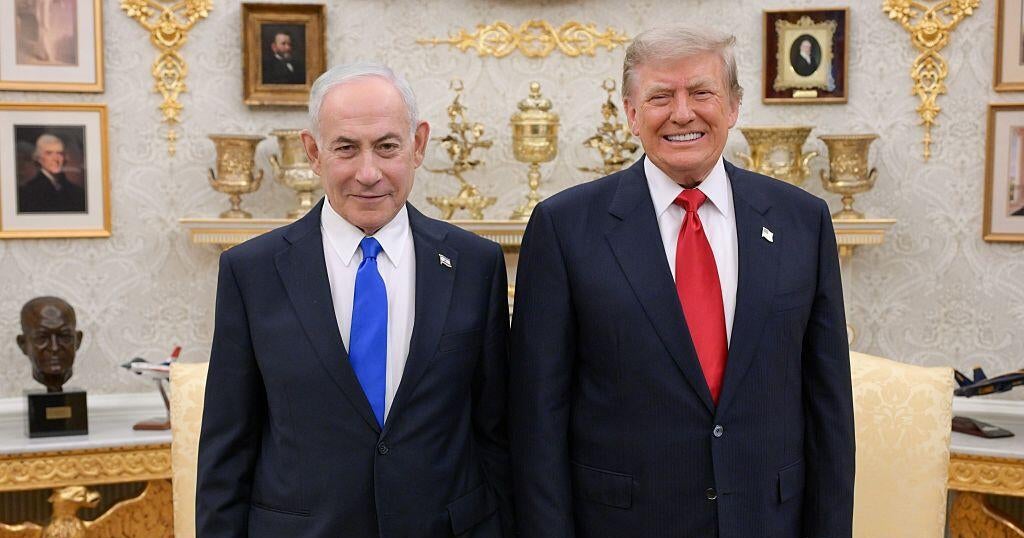
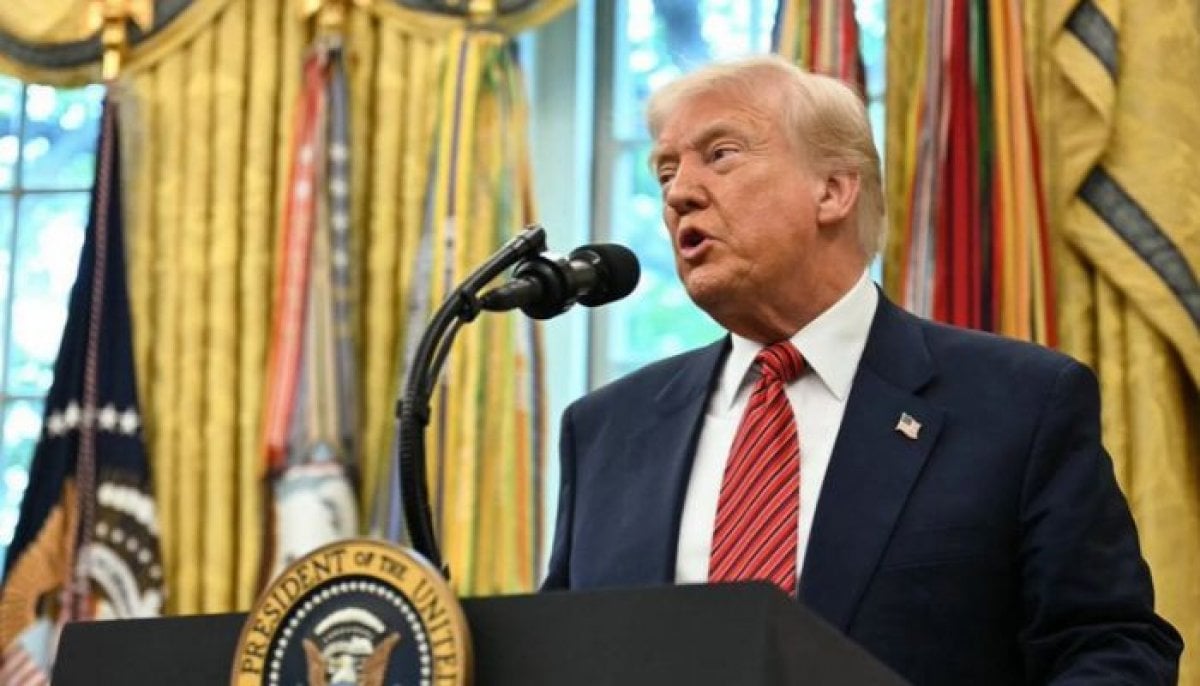
President Donald Trump announced Friday on Truth Social that the United States has agreed to a request from Iran to continue talks over a potential peace deal, though he reiterated that the ceasefire between the two nations is OVER!
The admission follows a dramatic flare-up of hostilities this week centered on the Strait of Hormuz. The tension erupted after Iran targeted three commercial vessels in the waterway, including a Qatari-owned tanker. U.S. Officials described these attacks as acts of terrorism.
In response, the U.S. Military conducted two days of intense strikes. U.S. Central Command stated it hit at least 170 Iranian targets on Tuesday and Wednesday, including air defenses, naval targets, drone and missile storage, and logistics infrastructure along the coastline. This salvo was 17 times larger than the previous round of strikes on June 26.
The Iranian Health Ministry reported at least 14 people were killed and 78 wounded during the U.S. Attacks. Iranian state media reported strikes hit the Bushehr, Sistan and Baluchestan provinces, and alleged that civilian infrastructure, including two railway bridges on the route to Mashhad, was targeted. A board member of a local fishermen's cooperative stated that two U.S. Projectiles hit the Panj-Pelleh fishing pier in Bandar Abbas on July 8 and 9, destroying at least 30 boats valued at around $11,000 each.
Iran retaliated by launching missiles and drones at U.S. Allies, including Kuwait, Bahrain, Qatar, and Jordan. Jordan reported shooting down eight Iranian missiles around 7 a.m. ET Thursday. While U.S. Officials reported no significant damage to U.S. Facilities, falling debris caused damage to a non-U.S. Building near U.S. Navy headquarters in Bahrain.
The Fragile Path to Peace
The hostilities threaten to unravel a memorandum of understanding signed in mid-June, which established a 60-day ceasefire to facilitate talks on a wider peace deal. The agreement aimed to resolve issues including Iran's nuclear program and the reopening of the Strait of Hormuz. As part of the MOU, the U.S. Had issued a waiver for Iran to sell oil, which was revoked on July 7.
Despite the violence, indirect diplomacy continues via Qatar. Sources familiar with the discussions told CBS News that Vice President JD Vance, along with envoys Jared Kushner and Steve Witkoff, have been in touch with Qatari officials. Iranian Foreign Minister Abbas Araghchi has also been speaking with Qatar's Prime Minister and his team.
Qatar has remained committed to mediation despite being targeted by Iranian strikes. Majed Al Ansari, a Qatar Foreign Ministry spokesman, stated Thursday that military solutions will not achieve lasting stability, and the diplomatic path remains the only option capable of ending crises
.
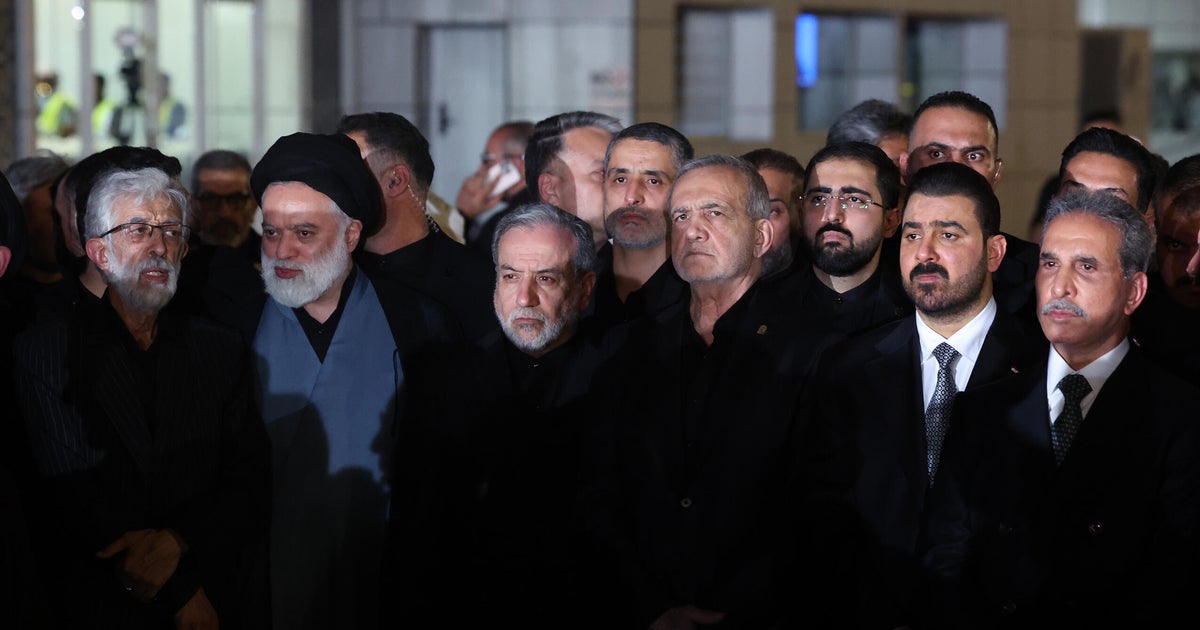
The diplomacy coincided with the state funeral of former Supreme Leader Ayatollah Ali Khamenei, who was killed in U.S.-Israeli strikes at the start of the war on Feb. 28. Memorial services culminated Thursday with his burial in Mashhad. A Qatari delegation arrived in Iran on Friday to stabilize
Qatar's role as a mediator and was expected to meet with Araghchi in the city.
Sticking Points and Strategic Disputes
A primary point of contention remains the Strait of Hormuz. Iran has attempted to divert all traffic away from Omani waters and toward a northern passage close to its own territory, while seeking to charge ships fees for use of the lane. The U.S. Objects to these fees and encourages commercial ships to use the southern route.
The Joint Maritime Information Center reminded mariners Friday that the southern route remains available, although the Lloyd's List maritime intelligence group reported that no large vessels had transited that route with location transponders switched on since July 7.
Further complicating the peace process is the ongoing conflict between Israel and Hezbollah. The mid-June MOU called for an end to hostilities on all fronts, including Lebanon. Tehran insists that Israel's continued presence in southern Lebanon violates the agreement. The Israel Defense Forces reported Friday that they carried out more than 20 attacks in Lebanon over the week in response to Hezbollah ceasefire violations
.
President Trump has maintained a volatile posture toward Tehran. During a NATO summit in Turkey, he called Iranian leaders liars
, scum
, and cuckoo
.
The current memorandum of understanding was intended to last until roughly Aug. 18. While "technical talks" are reportedly continuing, the U.S. Maintains its position that Iran cannot possess a nuclear weapon.
How significant is this development?
Participate in our community survey on the trajectory and real-world impact of this news.