Travelers Face More Flight Delays After Major Air Traffic Disruption at UK Airports
A major technical collapse at National Air Traffic Services triggered widespread UK flight cancellations, leaving passengers stranded and sparking an independent review.

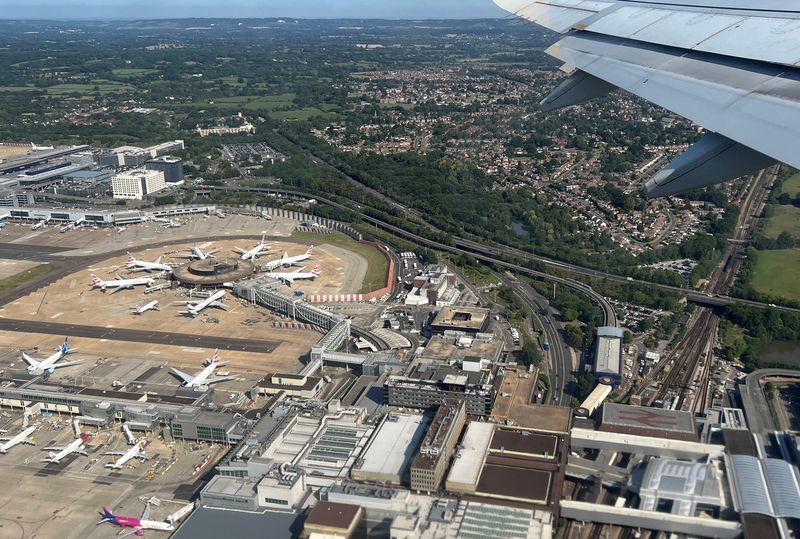
Travelers across the United Kingdom faced lingering flight delays and cancellations following a major technological collapse at the nation's air traffic control provider. The disruption originated from a technical issue within the flight processing system managed by National Air Traffic Services (NATS), severely bottlenecking operations at critical hubs including Heathrow, Gatwick, and Stansted.
While technical teams resolved the system issue by evening, the operational fallout rippled across the aviation network. Aviation analytics firms reported that thousands of flights were impacted over consecutive days, leaving tens of thousands of holidaymakers stranded on airport floors, on tarmac queues, and abroad.
Regulatory Response and Passenger Compensation
The UK Civil Aviation Authority (CAA) addressed the mounting frustration by clarifying passenger rights under existing regulatory frameworks. According to the CAA, disruptions directly caused by the NATS outage are classified as extraordinary circumstances. Consequently, airlines are unlikely to be required to pay statutory compensation payouts of up to £520 per journey, though carriers remain legally obligated to provide basic care such as food, communication, and overnight accommodation.
Transport Secretary Heidi Alexander addressed the House of Commons regarding the crisis. Alexander stated that she did not believe the system failures were unavoidable. In response to the network collapse, the Government instructed the CAA to conduct an independent review to evaluate the root causes of the outage and assess the long-term resilience of NATS infrastructure. The review is mandated to report back within a specified timeframe, while Downing Street confirmed that NATS Chief Executive Martin Rolfe has been tasked with delivering a parallel internal investigation.
Aviation Industry Backlash and Leadership Pressure
The incident ignited sharp criticism from major carriers and industry associations. Airlines UK wrote an urgent letter to the Secretary of State for Transport, highlighting that the disruption marked the third major system failure within a three-year period. Tim Alderslade, CEO of Airlines UK, argued that the current regulatory framework forces airlines to absorb the financial costs of errors originating entirely outside their operational control.
Individual carriers reported immense financial and logistical strain. Ryanair’s chief operating officer, Neal McMahon, publicly called for the resignation of NATS CEO Martin Rolfe, pointing to a lack of a functioning backup system during critical outages. British Airways similarly canceled hundreds of flights across its schedule, displacing tens of thousands of customers while deploying volunteer staff to manage rebookings and customer service lines.
Impact on UK Airports
| Airport | Estimated Impacted Flights / Status |
|---|---|
| London Heathrow (LHR) | Hundreds of cancellations and severe delays spanning multiple terminals |
| London Gatwick (LGW) | Ongoing rolling delays and select route cancellations |
| London Stansted (STN) | Arrivals and departures impacted by diverted traffic and schedule shifts |
| Regional Airports (Manchester, Edinburgh, Bristol, Cardiff) | Scattered rolling delays and knock-on schedule adjustments |
Major hubs experienced extraordinary scenes of congestion as recovery efforts commenced. At Heathrow Terminal 5, check-in queues stretched across departure halls, and passengers resorted to sleeping on luggage trolleys and floors after local hotels booked to capacity. International travelers on layovers reported being left without gate assignments or secure transit options for extended periods.
Next Steps and Future Oversight
Airports and airlines continue working to clear the backlog and reposition crew members and aircraft. Passengers are strongly advised to check with their respective airlines before traveling to departure terminals.
Looking ahead, the transport ministry expects the NATS internal findings within a week, while the independent CAA review will formally report its conclusions and recommendations to the Government within six months. These findings will determine potential regulatory overhauls for the UK's critical aviation infrastructure.