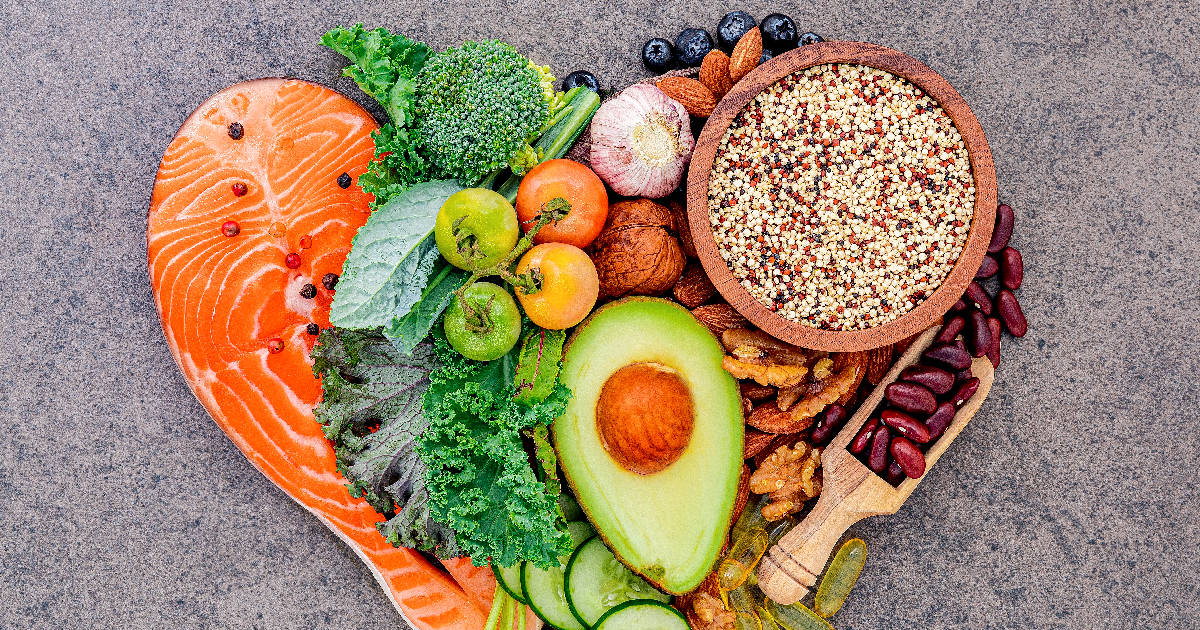
Registered dietitians today identified six budget-friendly pantry staples—black beans, oats, olive oil, nuts, and others—that can lower LDL cholesterol when incorporated into daily meals, according to a May 27, 2026 analysis by AOL.com and Johns Hopkins Medicine.
The Science Behind Dietary Fiber and Heart Health
Cholesterol management begins with diet, and the most effective tools are often the most accessible. Soluble fiber, found in foods like beans and oats, binds to LDL (“bad”) cholesterol in the digestive tract, preventing absorption and promoting excretion. This mechanism is well-documented in peer-reviewed studies, including a 2025 meta-analysis published in the Journal of the American Heart Association that linked daily soluble fiber intake to a 5–10% reduction in LDL levels over 12 weeks.
Olive oil, particularly extra-virgin, contributes heart-healthy monounsaturated fats, which displace saturated fats in the diet and improve lipid profiles. A 2024 randomized controlled trial in Circulation found that replacing 20% of dietary fat with olive oil lowered LDL by 7% in participants with mild hypercholesterolemia. Nuts, though calorie-dense, provide a similar benefit: their combination of fiber, plant sterols, and unsaturated fats has been shown to reduce LDL by 3–5% when consumed as part of a balanced diet.
Six Staples, One Strategy: How to Use Them
Dietitians emphasize practicality. The following staples, highlighted in a May 27, 2026 article by Samantha DeVito, M.S., RD, and reviewed by Jessica Ball, M.S., R.D.
- Black Beans: A ¾-cup serving provides 12 grams of fiber and 15 grams of plant-based protein. “Regular inclusion of beans—around ¾ to 1 cup per day—is a practical, food-based approach to improving cholesterol,” says Johannah Katz, RD. Pair with rice or salads for a complete protein.
- Oats: Beta-glucan, the soluble fiber in oats, lowers LDL by forming a gel-like substance in the gut. A 2026 study in Nutrients confirmed that 3 grams of beta-glucan daily (found in 1.5 cups cooked oats) reduced LDL by 6% in adults with prediabetes.
- Extra-Virgin Olive Oil: Replace butter or vegetable oils with 1–2 tablespoons daily. A 2025 review in Mayo Clinic Proceedings noted that Mediterranean diets rich in olive oil correlate with a 25% lower risk of cardiovascular disease.
- Nuts (Almonds, Walnuts, Peanuts): A 1-ounce serving (about 23 nuts) provides 2–4 grams of fiber and healthy fats. The American Journal of Clinical Nutrition (2023) reported that nut consumption reduced LDL by 4% in high-risk individuals.
- Canned or Dried Beans (Lentils, Chickpeas): Lentils, for example, contain 15 grams of fiber per cooked cup. Johns Hopkins Medicine recommends swapping meat for beans 2–3 times weekly to cut saturated fat intake.
- Popcorn (Air-Popped): A whole-grain snack with 3.5 grams of fiber per 3-cup serving. While not a cholesterol powerhouse, it displaces less healthy snacks and adds fiber to the diet.
Budget and Accessibility
Cost remains a barrier for many, but these staples are among the most affordable. A 16-ounce bag of frozen edamame costs under $2, while a 48-ounce can of black beans averages $1.20. Johns Hopkins Medicine advises prioritizing canned or frozen produce, which retains nutrients and often costs 30–50% less than fresh. Seasonal produce further reduces costs: for example, buying apples in fall or carrots in winter can cut grocery bills by up to 40%.
Processed foods—even those marketed as “heart-healthy”—should be avoided. A 2026 analysis by the Journal of the Academy of Nutrition and Dietetics found that ultra-processed “low-fat” snacks often contain added sugars or trans fats, which counteract cholesterol benefits.
Beyond the Pantry: Lifestyle Synergies
Diet alone accounts for only 30% of LDL reduction; the rest depends on physical activity and weight management. The American Heart Association recommends 150 minutes of moderate exercise weekly to complement dietary changes. Even small adjustments—such as walking 10 minutes after meals—can improve lipid profiles by 5–8%, according to a 2025 study in Obesity Reviews.
Smoking cessation and stress reduction (via techniques like deep breathing or yoga) further enhance cardiovascular benefits. A 2026 report from the CDC noted that individuals who combined dietary fiber intake with regular exercise saw LDL reductions up to 15% greater than those relying on diet alone.
What the Experts Say
Dietitians stress consistency over perfection. “Small, consistent changes to your diet and lifestyle can help improve heart health,” notes Crystal Orozco, RD. “It’s not about one miracle food, but about creating a pattern where fiber-rich, heart-healthy foods become the default.”
“Regular inclusion of beans, around ¾ to 1 cup per day, is a practical, food-based approach to improving cholesterol.”
Johannah Katz, RD
For those with familial hypercholesterolemia or LDL levels above 190 mg/dL, dietitians recommend consulting a healthcare provider to assess whether medication (e.g., statins) is warranted alongside dietary changes. The 2026 ACC/AHA guidelines emphasize a “therapeutic lifestyle change” as the first line of defense before pharmacological intervention.
The Bottom Line
Lowering LDL cholesterol doesn’t require expensive supplements or gimmicks. Six common pantry staples—black beans, oats, olive oil, nuts, lentils, and popcorn—provide the fiber and healthy fats needed to make a measurable difference. The key is integration: replacing processed foods with these staples, pairing them with regular physical activity, and maintaining consistency over time.
For individuals tracking progress, the American Heart Association recommends monitoring LDL levels every 6–12 months. While dietary changes may take 8–12 weeks to show results, the long-term benefits—reduced cardiovascular risk and improved metabolic health—are well worth the effort.
Consult your healthcare provider before making significant dietary changes, especially if you have pre-existing conditions or are taking medications.
