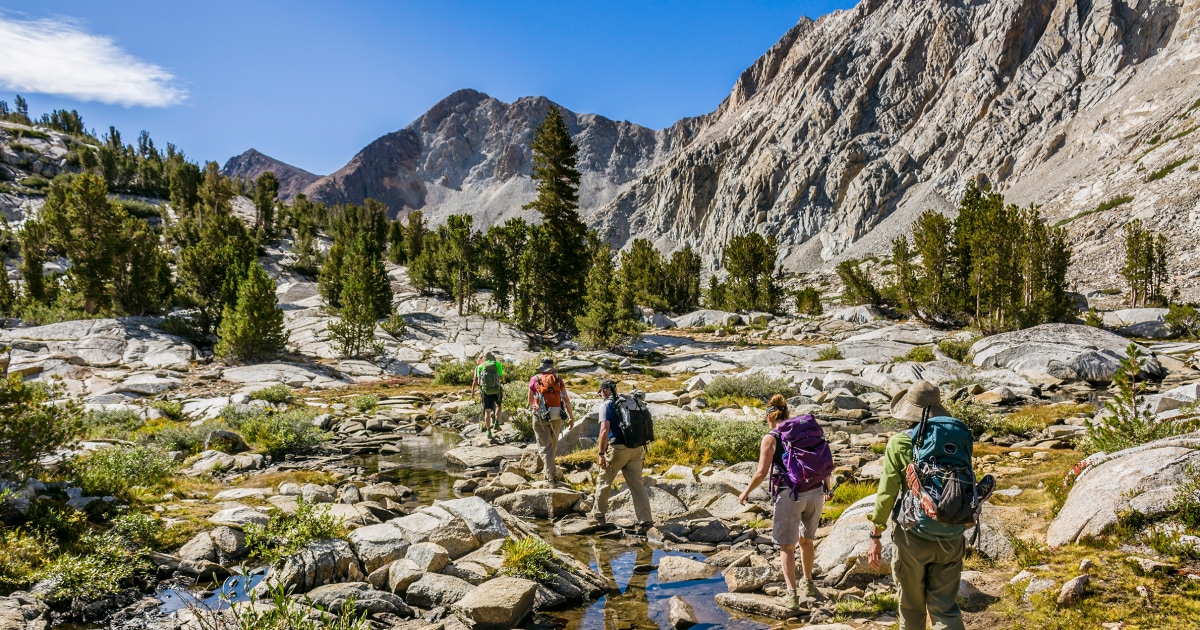
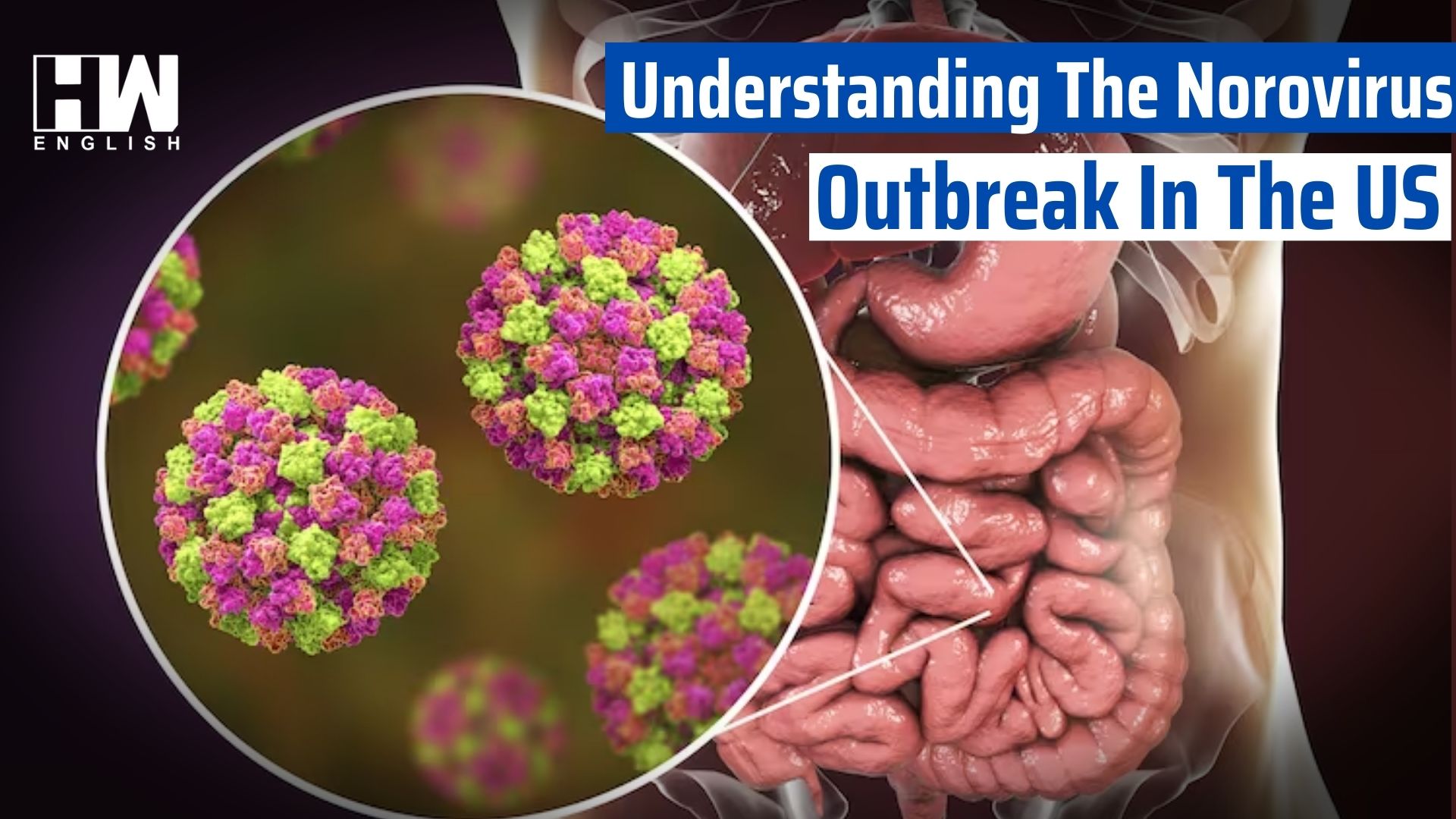
Norovirus is spreading across the U.S. this spring, with outbreaks hitting hikers on the Pacific Crest Trail and wastewater data showing high national levels of the “winter vomiting disease.”
As of May 29, 2026, the virus has sickened dozens of hikers near Wrightwood, California, forcing air rescues and prompting health warnings from the Pacific Crest Trail Association. While the CDC confirms norovirus levels remain in the “high” category nationwide, experts say the current surge—particularly among hikers—exposes how easily the virus spreads in remote settings where sanitation is limited.
A Norovirus Surge in the Wrong Place
Hikers on the Pacific Crest Trail (PCT) are bearing the brunt of this year’s norovirus outbreak, with reports emerging around May 8 and accelerating over the past two weeks. The Victorville Daily Press and SFGATE confirm at least two dozen hikers have fallen ill near Wrightwood, a remote stretch of the trail in San Bernardino County. Symptoms—vomiting, diarrhea, and severe stomach cramps—have led to at least one air rescue, with affected hikers later testing positive for norovirus at urgent care facilities in Hesperia and Victorville.

The timing is unusual. Norovirus typically peaks between November and April, but this late-spring surge has caught both hikers and public health officials off guard. “Norovirus is like the cockroach of viruses,” Noelle Harrison, a retired public health educator and hiker, told SFGATE. “It’s almost impossible to kill, and if you end up getting sick in really remote areas, some of its more severe symptoms can put you in a really bad place.”
This isn’t the first time the PCT has seen an outbreak. In 2022, a norovirus surge in Grand Canyon National Park sickened 222 people, and last summer, hikers on the Appalachian Trail faced a similar wave. But the Wrightwood cluster stands out for its rapid spread and the harsh conditions hikers face when dehydration sets in—especially in the San Gabriel Mountains, where temperatures can exceed 90°F by late May.
Why This Outbreak Is Different
While norovirus is a year-round threat, this season’s strain—GII.17—has gained dominance, accounting for about 75% of U.S. outbreaks since last fall. Unlike the more familiar GII.4 strain, GII.17 partially evades immunity because fewer people have been exposed to it in recent years. As Dr. Linda Yancey, an infectious disease specialist at Memorial Hermann, explained to NBC News, “The newer variant isn’t more contagious in and of itself. It can spread more easily because fewer people have partial immunity to it, so they will get sick and spread the virus.”
Wastewater surveillance data from the CDC’s NoroSTAT program backs this up. Between August 1, 2025, and May 7, 2026, the program recorded 1,194 norovirus outbreaks—down from 2,534 in the same period the previous year, but still within historical averages. However, the current spike in the Northeast and California suggests localized clusters are forming faster than usual.
What makes the PCT outbreak particularly dangerous is the environment. Hikers rely on shared water sources, limited sanitation, and makeshift food storage—all of which accelerate norovirus transmission. The Pacific Crest Trail Association has issued urgent advice: wash hands with biodegradable soap at least 200 feet from water sources, treat all drinking water, and avoid sharing food or drinks. But in the backcountry, these precautions are easier said than done.
The Science Behind the Spread
Norovirus is notoriously resilient. It survives on surfaces for days, resists many disinfectants, and spreads through tiny particles in the air. Unlike some viruses, it cannot be reliably killed with hand sanitizer—only soap and water or bleach-based cleaners work. Amanda Bidwell, scientific program manager at WastewaterSCAN (a partnership between Stanford and Emory), told NBC News that wastewater monitoring is critical because most norovirus cases go unreported: “Monitoring norovirus in wastewater is very helpful for this highly contagious virus, as there is not a lot of clinical data to describe outbreaks because most people recover at home without seeing a healthcare professional.”
The CDC estimates norovirus causes 19–21 million illnesses annually in the U.S., leading to 465,000 emergency department visits and nearly 1,000 deaths—mostly among the elderly. But for young, healthy hikers, the risk lies in dehydration and the inability to seek care quickly. Ron Hals, a 73-year-old retiree hiking the first 1,000 miles of the PCT, told SFGATE that he initially dismissed his symptoms—only to realize too late how severe norovirus can be in remote areas.
What Comes Next?
The Pacific Crest Trail Association is working with local health departments to contain the outbreak, but the challenge is twofold: preventing further spread among hikers and ensuring those who fall ill can access medical care. Rural communities like Wrightwood and Hesperia are already seeing increased demand at urgent care clinics, and the association has warned that more cases are likely as hikers continue their trek northward.
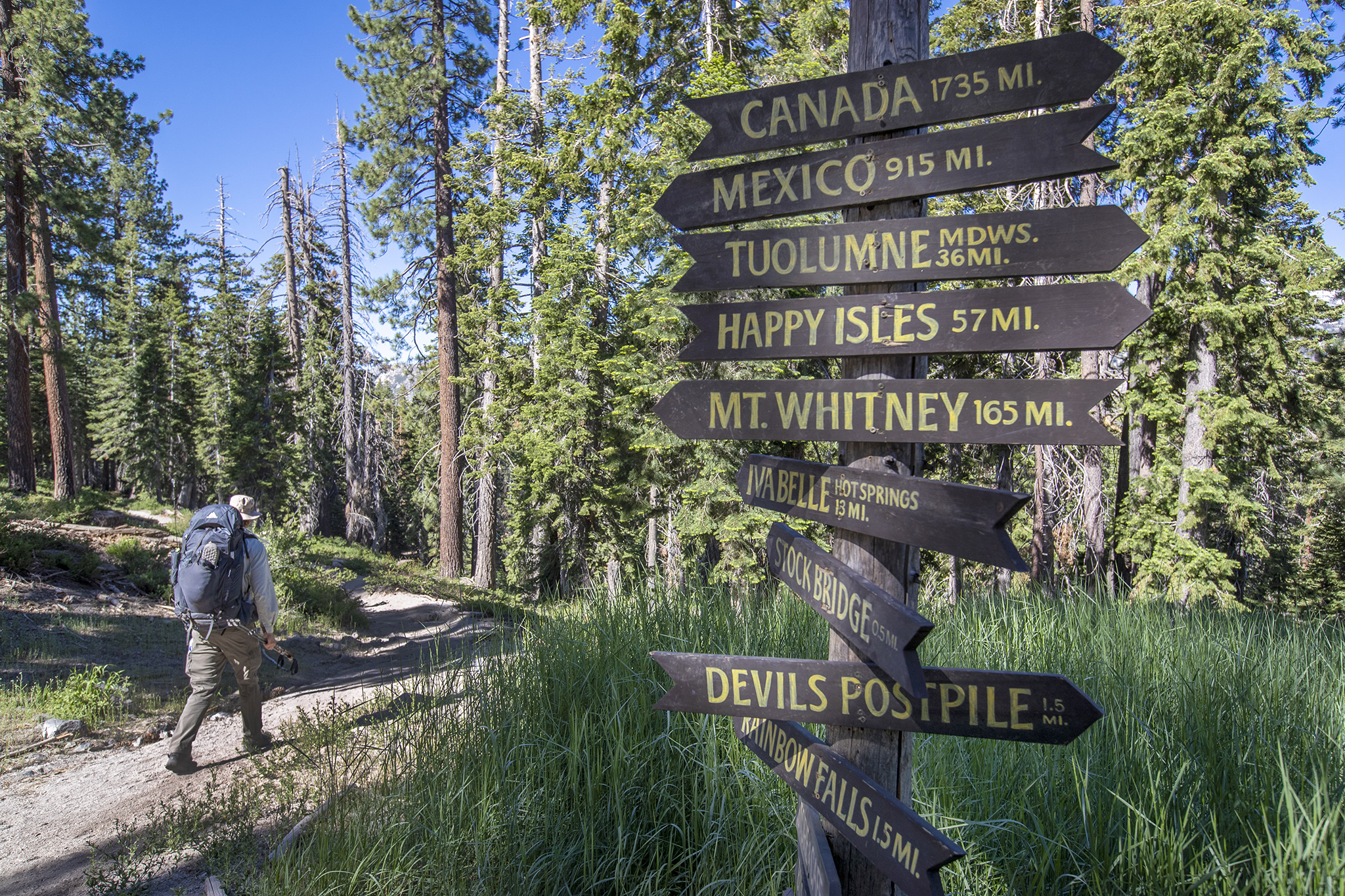
For the broader public, the message is clear: norovirus isn’t just a winter hazard. With GII.17 now dominant, the risk of exposure remains high—especially in crowded or unsanitary settings. The CDC recommends frequent handwashing, avoiding sick individuals, and cleaning contaminated surfaces with bleach. But for hikers, the advice is more drastic: carry extra water, pack oral rehydration salts, and be prepared to turn back if symptoms arise.
The bigger question is whether this late-spring surge will become a pattern. If GII.17 continues to evade immunity, we may see norovirus outbreaks extending into summer—a shift that would force public health agencies to rethink their seasonal preparedness. For now, the PCT remains a cautionary tale: even in the most remote corners of the U.S., norovirus is a force to be reckoned with.
If you’re planning outdoor trips this summer, consult the CDC’s norovirus guidelines and pack emergency supplies—hydration and sanitation could save your hike.
