
In August 2025, the Sun emitted a radio burst lasting 19 consecutive days, the longest such event ever recorded, according to NASA observations and analysis published in *The Astrophysical Journal Letters*.
The Record-Breaking Solar Radio Burst
In August 2025, the Sun produced a radio burst that defied expectations, persisting for 19 days and surpassing the previous record of five days. This event, first detected by the Solar Orbiter spacecraft, was analyzed using data from four NASA missions, including the Parker Solar Probe and the Wind satellite. The burst, classified as a Type IV solar radio emission, originated from electrons trapped in magnetic loops within the Sun’s corona, according to a study published in *The Astrophysical Journal Letters*. Researchers noted that such prolonged emissions are rare, with the 2025 event representing a significant outlier in solar activity records.

The burst was initially perceived as a routine solar flare, but its duration exceeded all prior observations. “This signal refused to disappear,” wrote the research team, emphasizing the anomaly’s scale. The event’s prolonged nature allowed scientists to track its evolution across multiple observational windows, providing insights into the mechanisms driving extended solar radio emissions. The study’s findings highlight the complexity of solar dynamics and the need for advanced monitoring systems to predict space weather impacts.
Mechanisms Behind the Phenomenon
Type IV solar radio bursts, like the 2025 event, are linked to large-scale magnetic structures in the Sun’s corona. These bursts occur when accelerated electrons interact with plasma, generating radio waves over extended periods. The 2025 burst’s duration suggests an unusually stable configuration of magnetic loops, which sustained the emission for weeks. “The mechanism of how it’s produced can remind scientists of other solar events, but the scale here is unprecedented,” noted a summary from *IFL Science*, which described the burst as “completely harmless” compared to more destructive solar phenomena like coronal mass ejections.
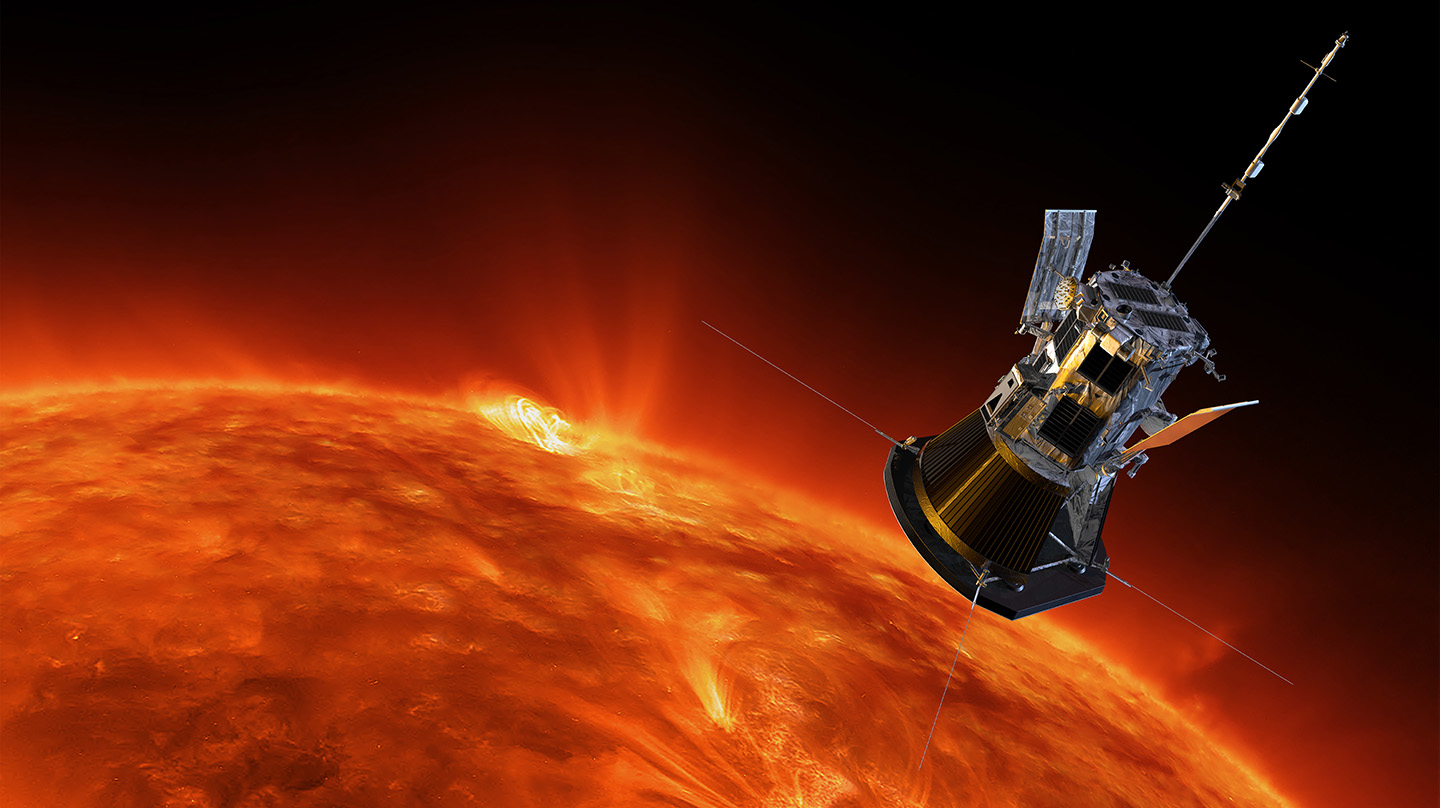
NASA’s Solar Orbiter, launched in 2020, played a critical role in capturing the burst’s early stages. The spacecraft’s proximity to the Sun—closer than any previous mission—enabled high-resolution imaging of the corona, while the Parker Solar Probe, designed to fly through the Sun’s outer atmosphere, provided complementary data on particle acceleration. The Wind satellite, which monitors solar wind particles, observed overlapping intervals of the burst, confirming its longevity. Together, these missions offered a multi-faceted view of the event, underscoring the importance of coordinated solar observation networks.
Implications for Space Weather Forecasting
The 2025 radio burst has significant implications for space weather forecasting. Solar radio emissions can disrupt radio communications, GPS signals, and power grids, particularly during intense events. While the 19-day burst was non-harmful, its prolonged nature highlights gaps in current predictive models. “Understanding these extended emissions could improve our ability to forecast solar activity and mitigate its effects on Earth,” said the study’s authors, who emphasized the need for enhanced monitoring of magnetic structures in the corona.
Space weather experts have long sought to correlate radio bursts with other solar phenomena, such as flares and coronal mass ejections. The 2025 event provides a unique dataset for refining these correlations. For instance, the burst’s timing coincided with heightened solar activity, including an X-class flare from sunspot AR4366 in April 2026, though the two events were not directly linked. “The Sun’s behavior is highly variable, and events like this challenge our assumptions about its activity cycles,” remarked a NASA spokesperson, noting that the agency is updating its models to account for such anomalies.
Ongoing Research and Future Monitoring
Following the 2025 burst, NASA and international partners have intensified efforts to monitor solar activity. The agency’s upcoming missions, including the Solar Cruiser and the European Space Agency’s Lagrange mission, aim to provide continuous, real-time observations of the Sun. These initiatives will focus on tracking magnetic field configurations and particle dynamics, which are critical for predicting prolonged radio emissions.

Scientists are also analyzing historical data to determine if similar events have occurred in the past. While the 2025 burst is the longest recorded, researchers caution that earlier observations may have missed prolonged emissions due to limited instrumentation. “We’re only now developing the tools to detect and study these events in detail,” said Dr. Emily Zhang, a solar physicist at NASA’s Goddard Space Flight Center. “This discovery opens new avenues for understanding the Sun’s magnetic complexity.”
The 2025 radio burst serves as a reminder of the Sun’s dynamic nature and the importance of sustained scientific inquiry. As humanity relies increasingly on technology vulnerable to solar activity, advancements in space weather forecasting will be pivotal. For now, the Sun’s 19-day radio signal remains a landmark event, offering both challenges and opportunities for the scientific community.
