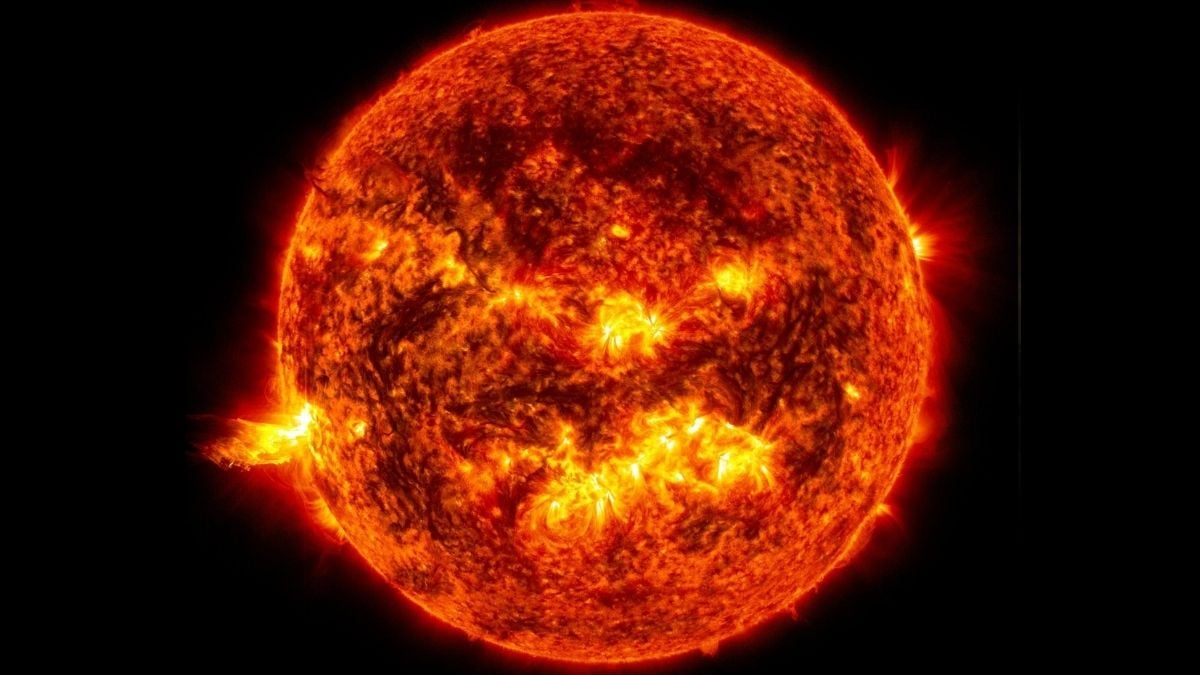
The Sun unleashed a 19-day radio burst in August 2025, the longest of its kind ever recorded, according to multiple space agencies and research teams. The event, classified as a Type IV radio burst, originated from a magnetic structure called a helmet streamer, sustained by a series of coronal mass ejections. Data from NASA and ESA spacecraft—including the Parker Solar Probe, Solar Orbiter, and STEREO—enabled scientists to reconstruct the anomaly, which lasted nearly four times longer than previous records.
The Unprecedented 19-Day Solar Radio Burst
The solar event began on August 21, 2025, and concluded on September 9, 2025, spanning 19 consecutive days. This marked a fourfold increase over the previous record of five days for a Type IV radio burst, a phenomenon typically caused by electrons trapped in the Sun’s magnetic fields. Unlike shorter bursts, this one persisted through the Sun’s rotation, requiring a fleet of spacecraft to observe its full duration. “It took a small fleet of spacecraft spread across the inner solar system to piece together what had actually happened,” one report noted, highlighting the complexity of tracking the event as the Sun’s magnetic structures shifted out of view of individual probes.
The burst’s longevity defied expectations. “These bursts usually last a few hours to a couple of days,” according to ScienceAlert, but this one “didn’t stop. Days passed. Then more days.” The energy released was immense, with the Sun’s magnetic field driving the sustained activity. While the radio waves themselves posed no direct threat to Earth, the underlying magnetic conditions could generate particle storms capable of damaging satellites and disrupting space missions.
Decoding the Source: Helmet Streamers and CMEs
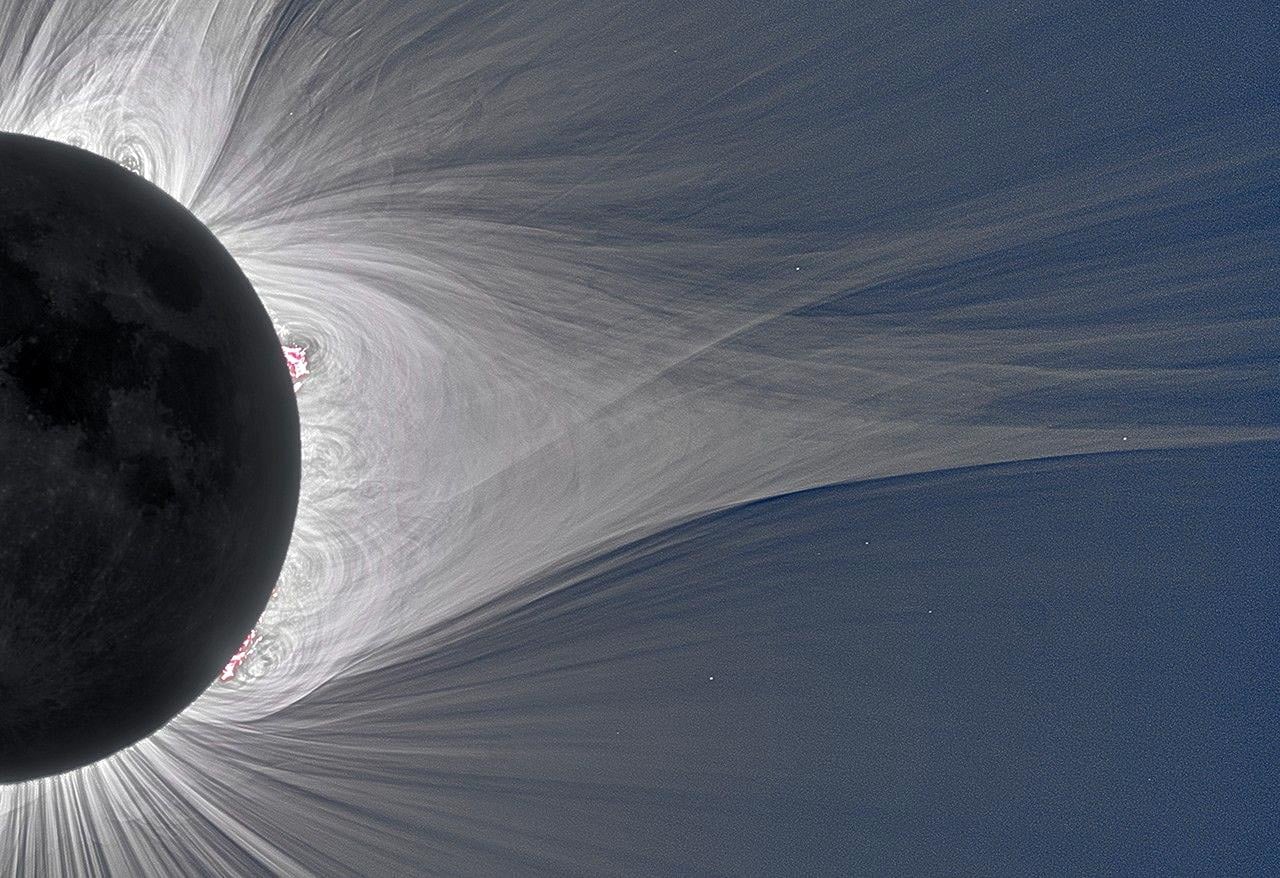
Researchers traced the burst to a helmet streamer, a V-shaped magnetic structure in the Sun’s outer atmosphere. These features, visible during solar eclipses, act as magnetic traps for energetic particles. The 2025 event was unusually prolonged, likely due to three consecutive coronal mass ejections (CMEs) erupting from the same region. “The same magnetic conditions can also generate intense solar activity capable of disrupting satellites,” SciTechDaily reported, noting that the CMEs “effectively fed the magnetic trap and kept it energized far beyond its normal lifespan.”
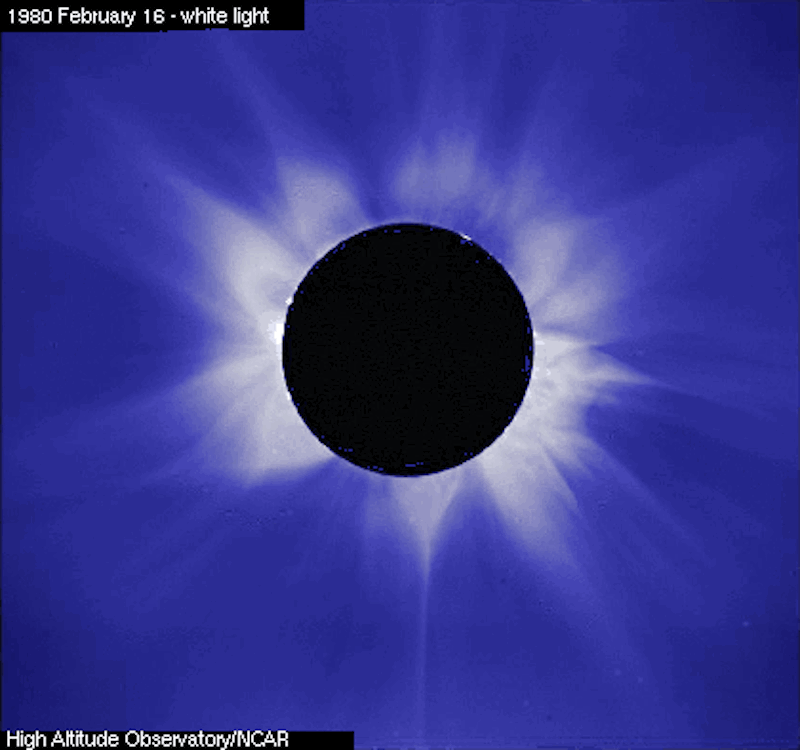
The helmet streamer’s role was confirmed through a new analysis technique applied to STEREO data. “Using a new analysis technique, the team managed to pinpoint the burst was coming from a large magnetic structure… called a helmet streamer,” Universe Today explained. This method allowed scientists to map the burst’s origin despite the Sun’s rotation obscuring the source for parts of the 19-day window.
Spacecraft Coordination and New Analytical Techniques
Tracking the event required coordinated observations from four spacecraft: NASA’s Parker Solar Probe, Wind, and STEREO missions, along with ESA’s Solar Orbiter. Each probe captured the burst for a few days as the Sun’s rotation carried the source region into and out of view. “No single spacecraft could see the whole event,” Yahoo noted, “It took all of them together to build the full picture.”
A key breakthrough came from NASA’s development of the wavevector-corrected ray sphere (WCRS) technique. This method, described in a The Debrief article, allowed researchers to identify the burst’s source using data from a single spacecraft. “By applying a correction to direction-finding angles and combining the data with a coronal density model, WCRS allows researchers to perform advanced analysis from only a single data source,” the report stated. This innovation could streamline future studies of solar activity.
Implications for Space Weather Forecasting
The findings have significant implications for predicting space weather. “Improved understanding of these events could strengthen space weather forecasting, helping scientists predict solar activity that can threaten satellites, spacecraft, and other technology,” SciTechDaily reported. The 2025 event demonstrated the need for multi-spacecraft monitoring of solar phenomena, as single-point observations risk missing prolonged or complex events.
While the burst itself was harmless, its prolonged nature highlights the Sun’s capacity for sustained magnetic activity. “The very same regions can also launch dangerous particle storms capable of damaging satellites,” Universe Today warned. Researchers now aim to refine models that account for such extended events, ensuring better preparedness for future solar activity.
